FROM FUCTION TO FORM
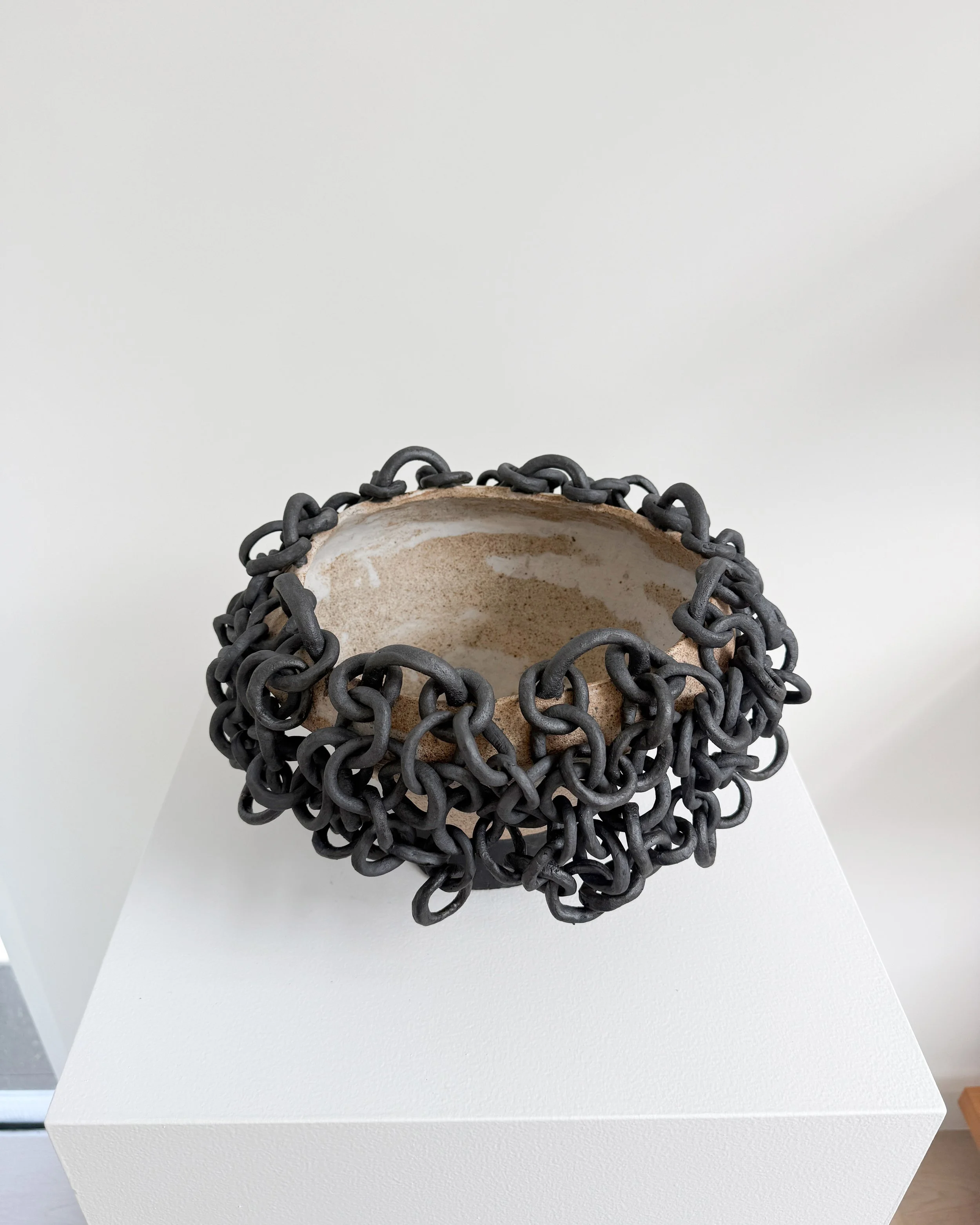
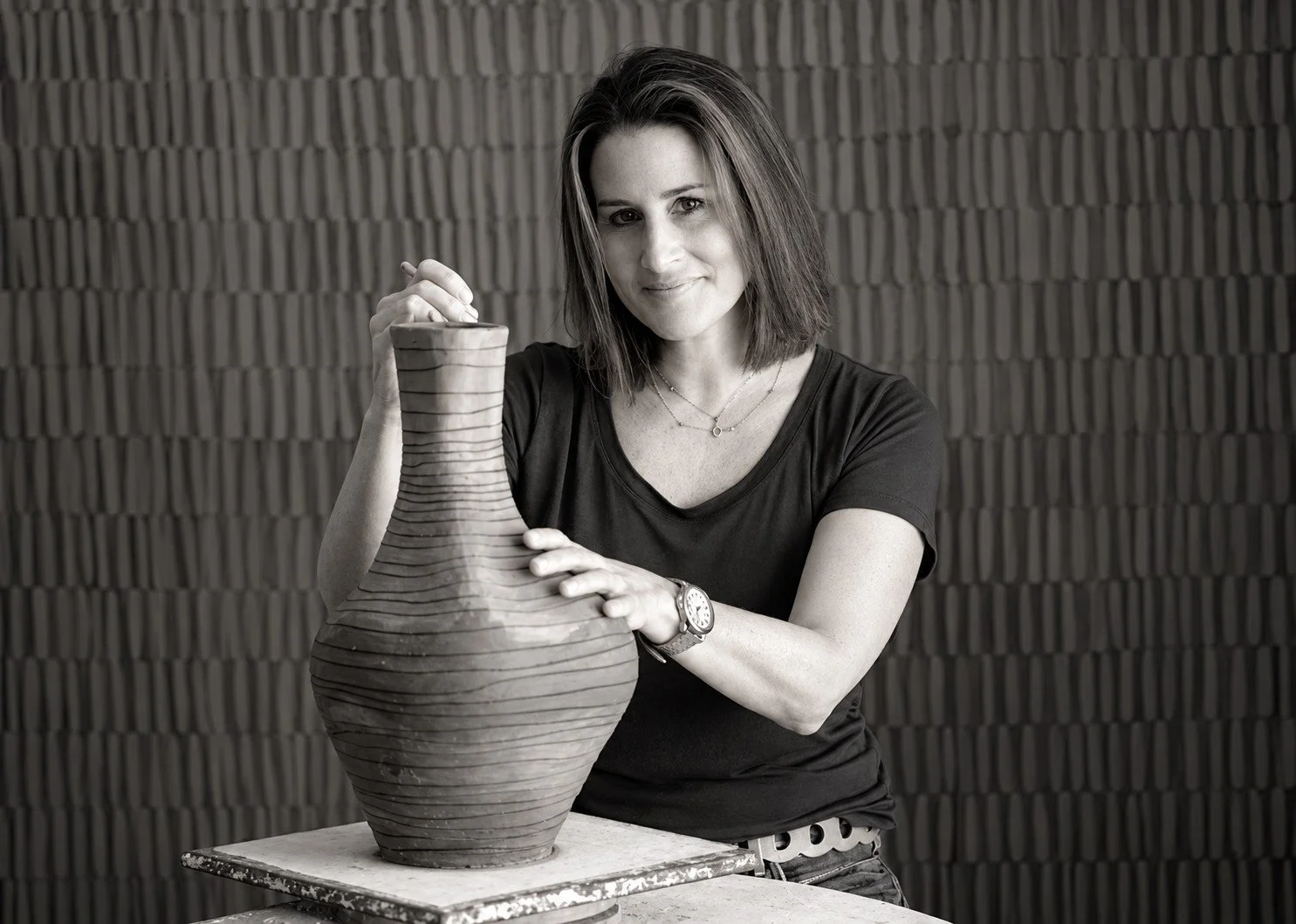
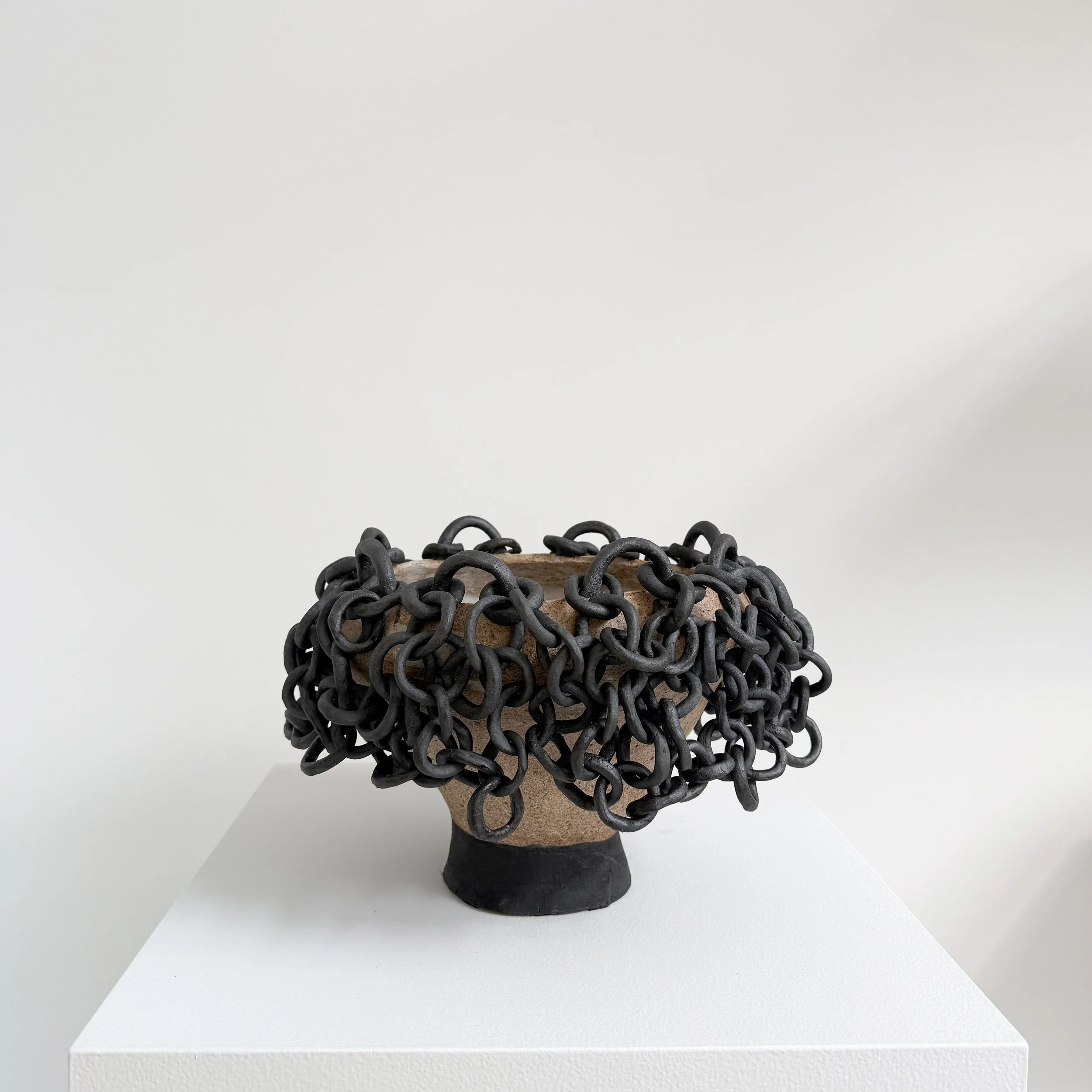
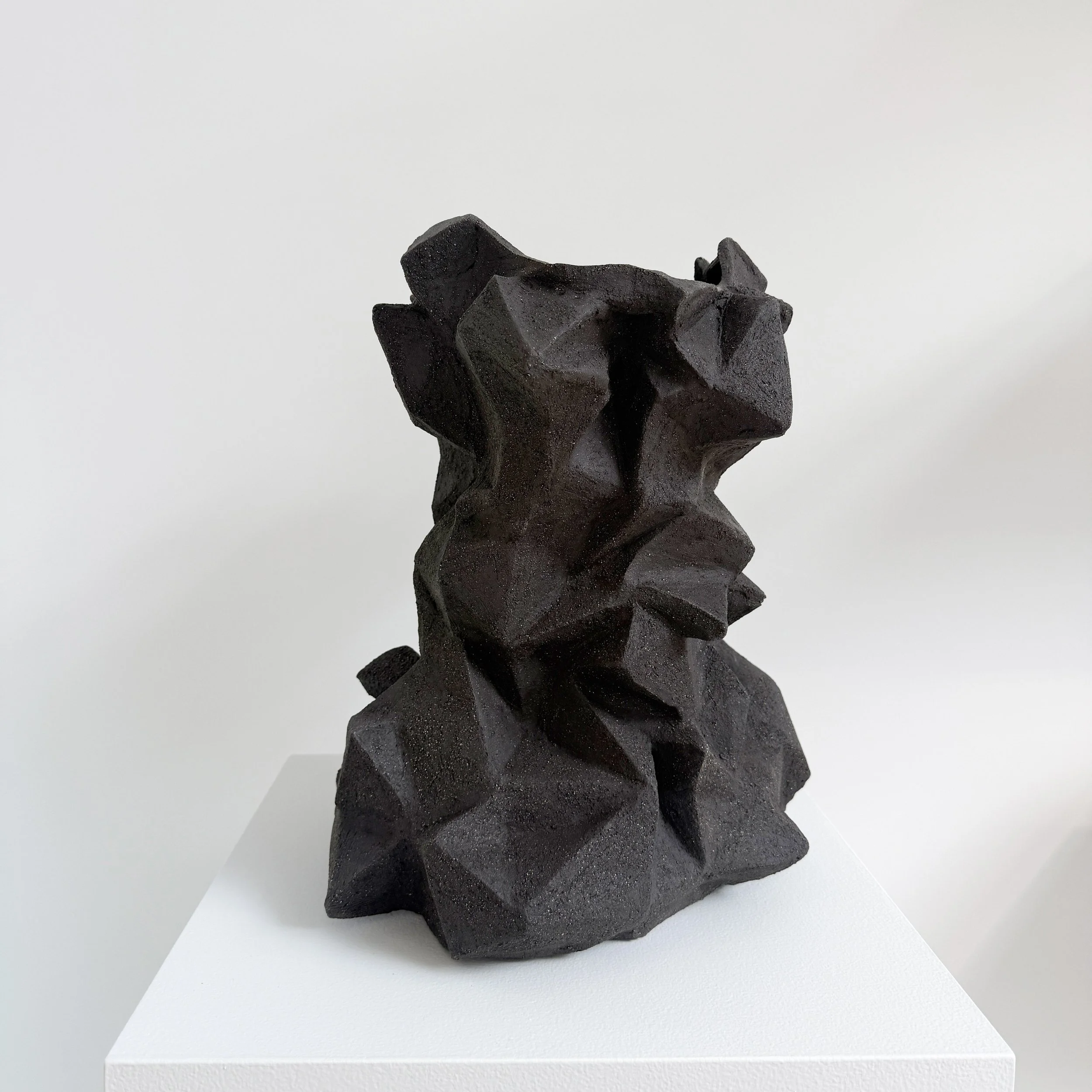
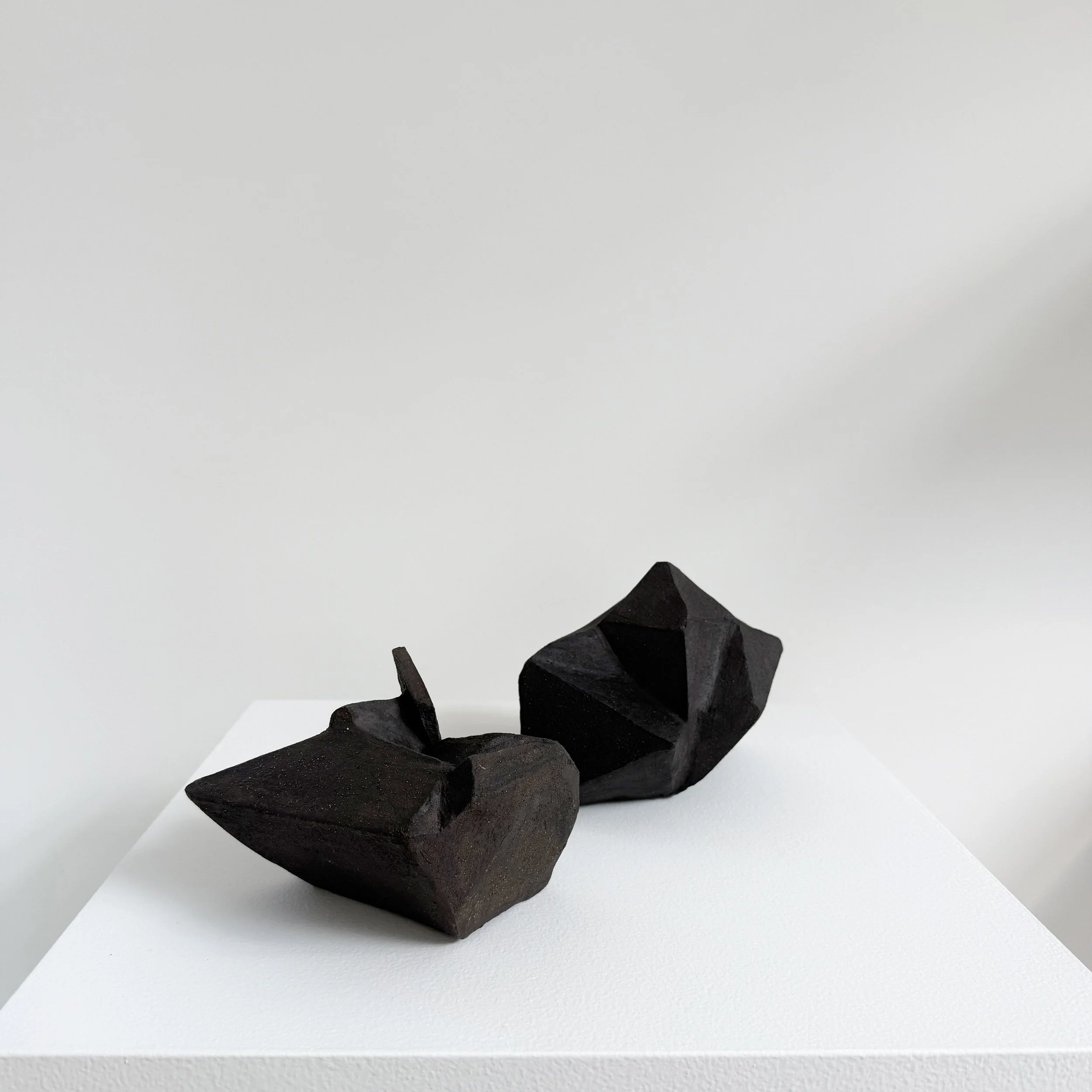
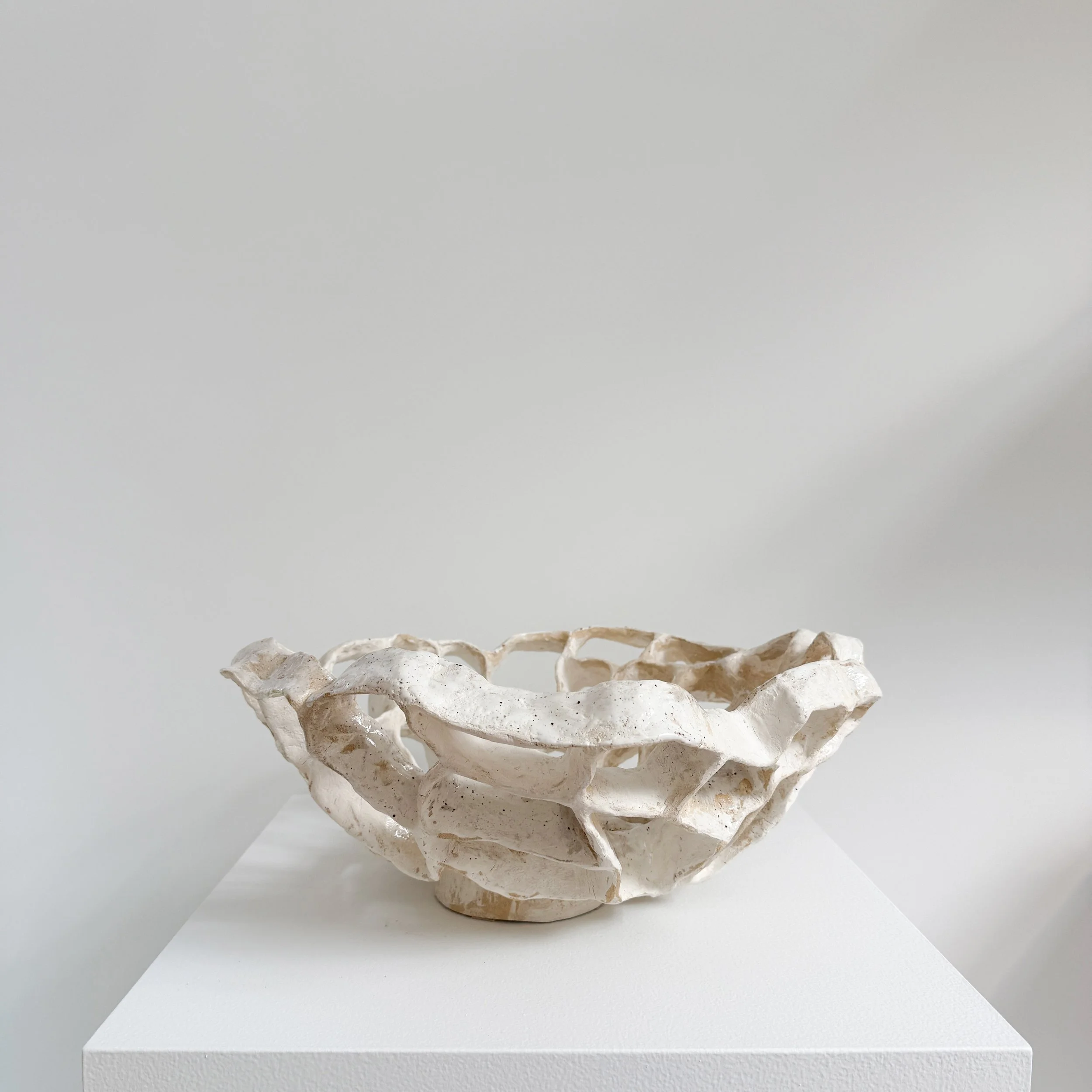
Brenda Holzke is a Los Angeles–based artist whose multidisciplinary practice explores form, surface, and material through ceramics, painting, and mixed media. Working primarily with clay, Holzke embraces the unpredictability of the material, allowing experimentation, imperfection, and unexpected outcomes to become integral to her process. Her ceramic sculptures draw from indigenous and geological imagery, bringing together primitive references with a contemporary sensibility.
Holzke’s approach is informed by her background in fine art, design, and functional ceramics. After studying at the Lorenzo de’ Medici Institute in Florence and earning her BFA from ArtCenter College of Design in 1985, she developed a ceramic practice that later evolved into her fine art work. Today, she continues to explore the relationship between material, form, and process from her Los Angeles studio. Her work is held in private collections.
-
![]()
LARGE TRIPOD VESSEL
-
![]()
SMALL TRIPOD VESSEL
-
![]()
BOUNDARIES
-
![]()
ORIGAMI BEAST
-
![]()
ORIGAMI CUBS
-
![]()
WILD MOREL VESSEL
-
![]()
CONTROL
-
![]()
ORANGE BLOSSOMS
-
![]()
FAKE PLANT
-
![]()
ALIEN CACTI
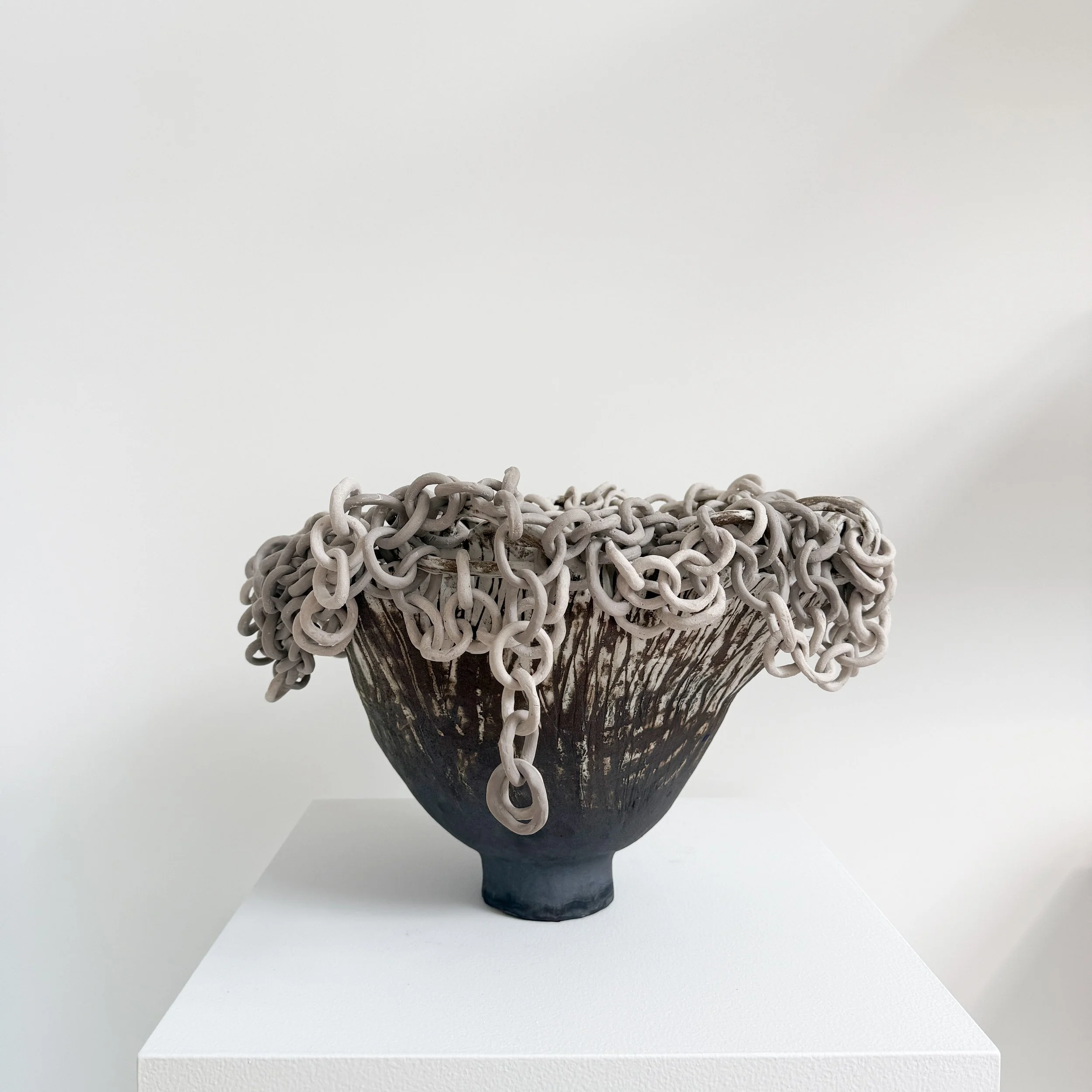
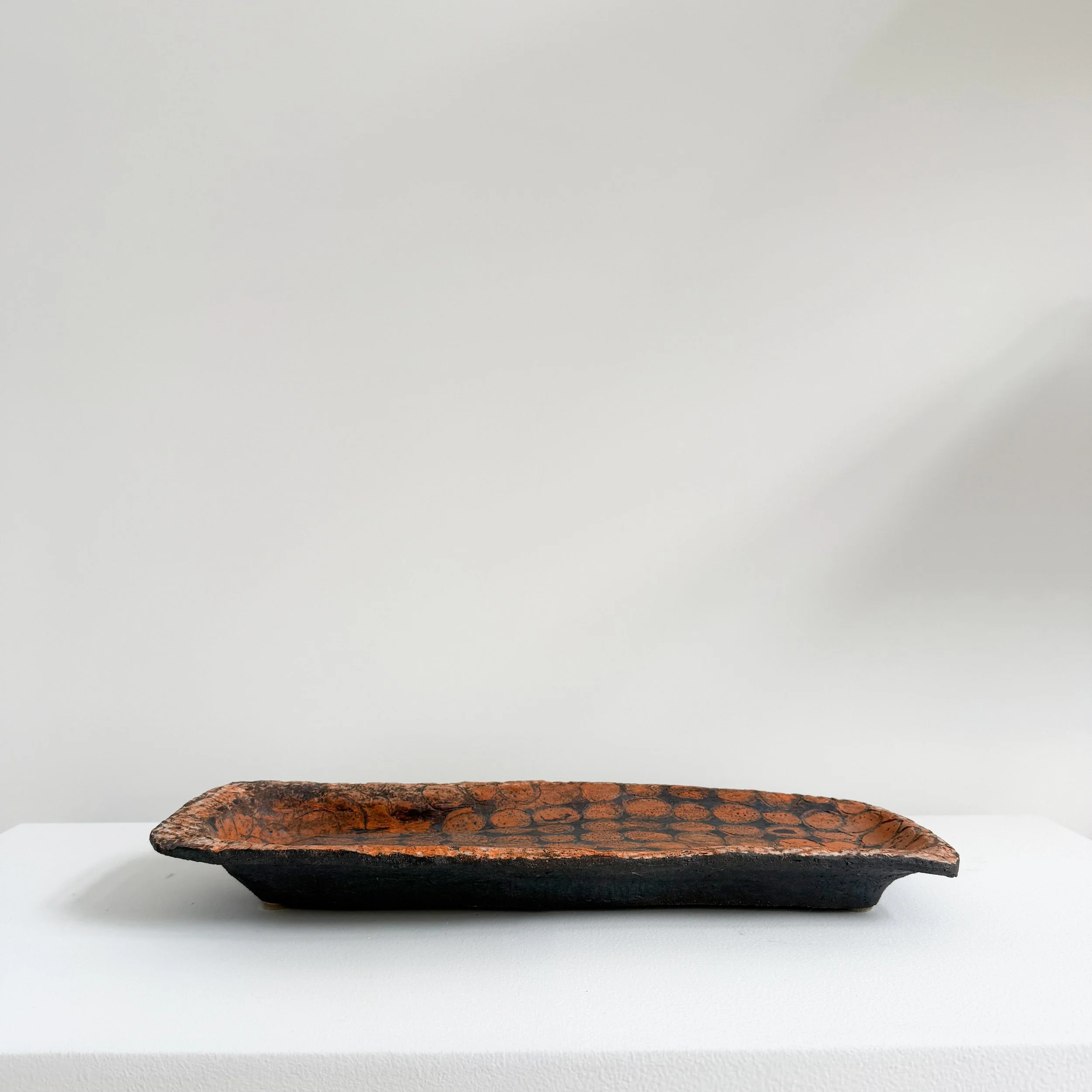
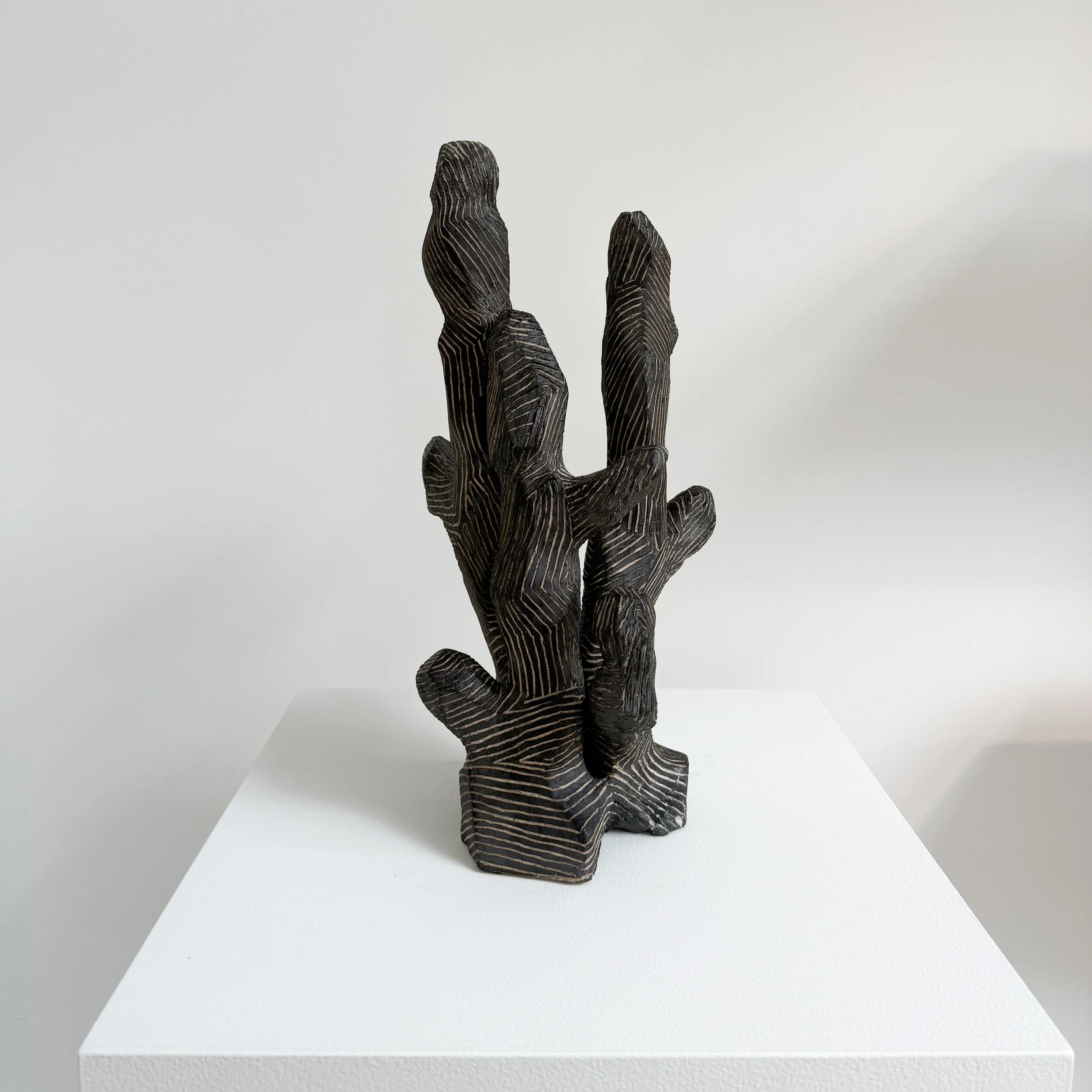
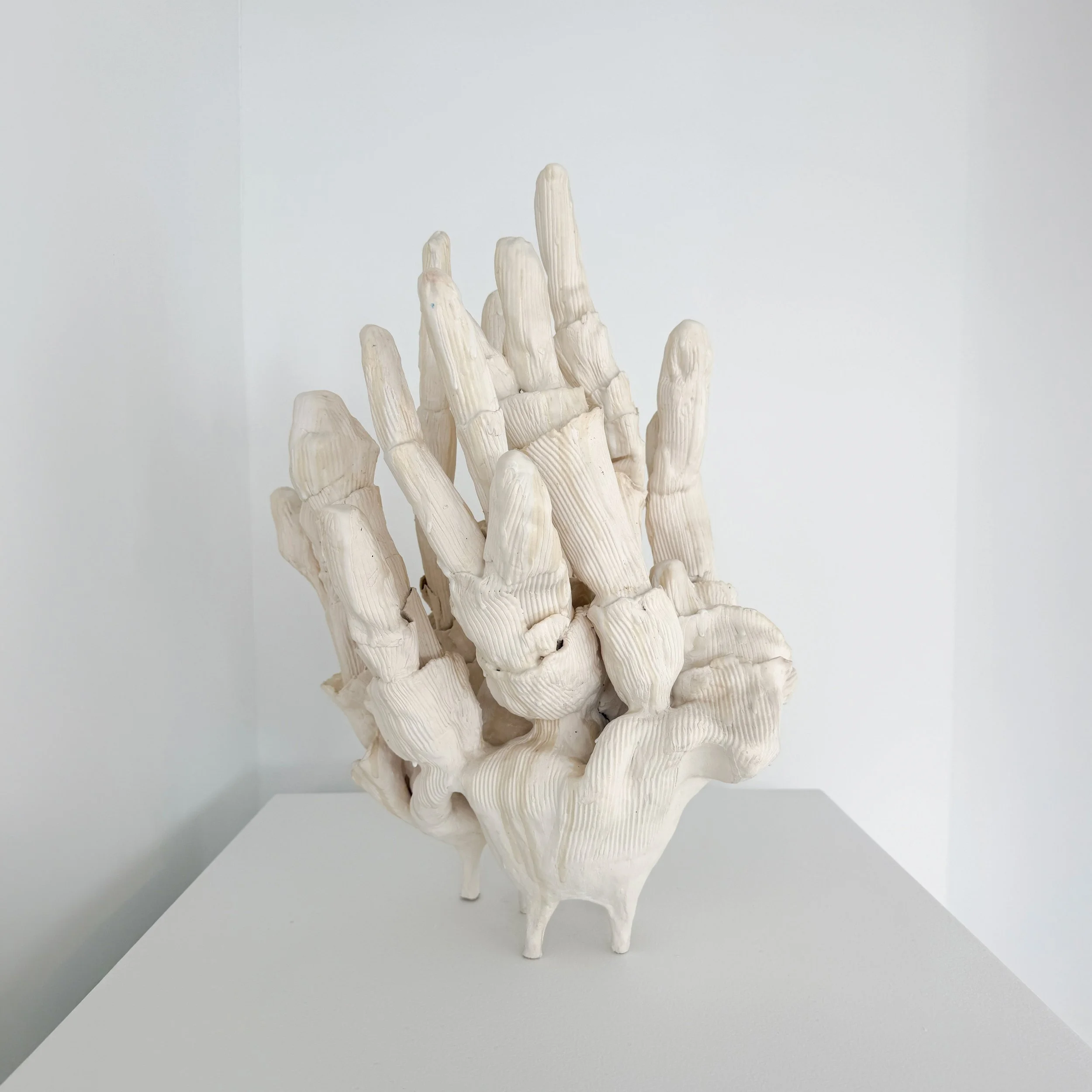
THE SHAPE OF DISCOVERY
When you begin a new piece, do you usually start with an idea, a form, or simply the material itself
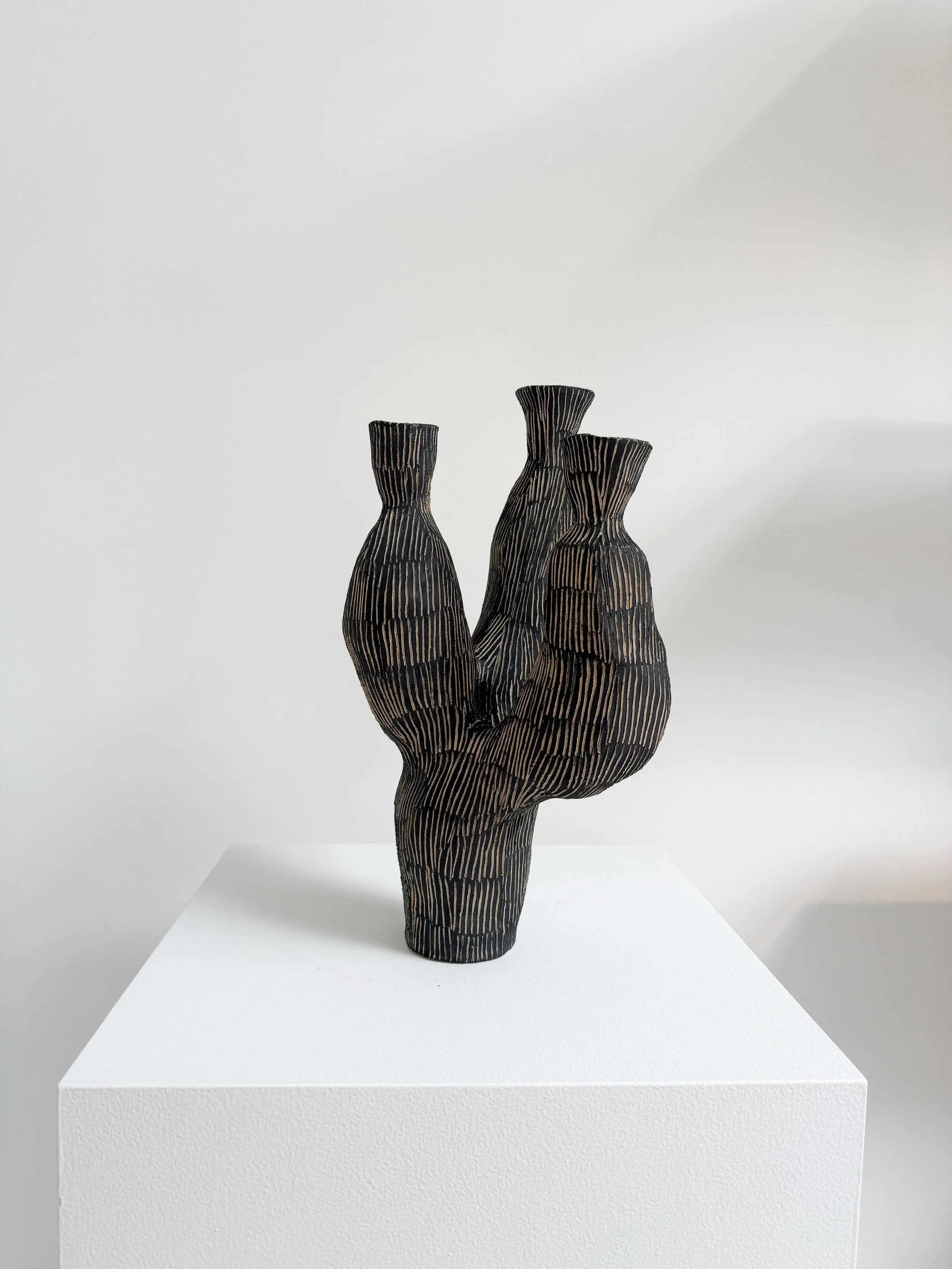
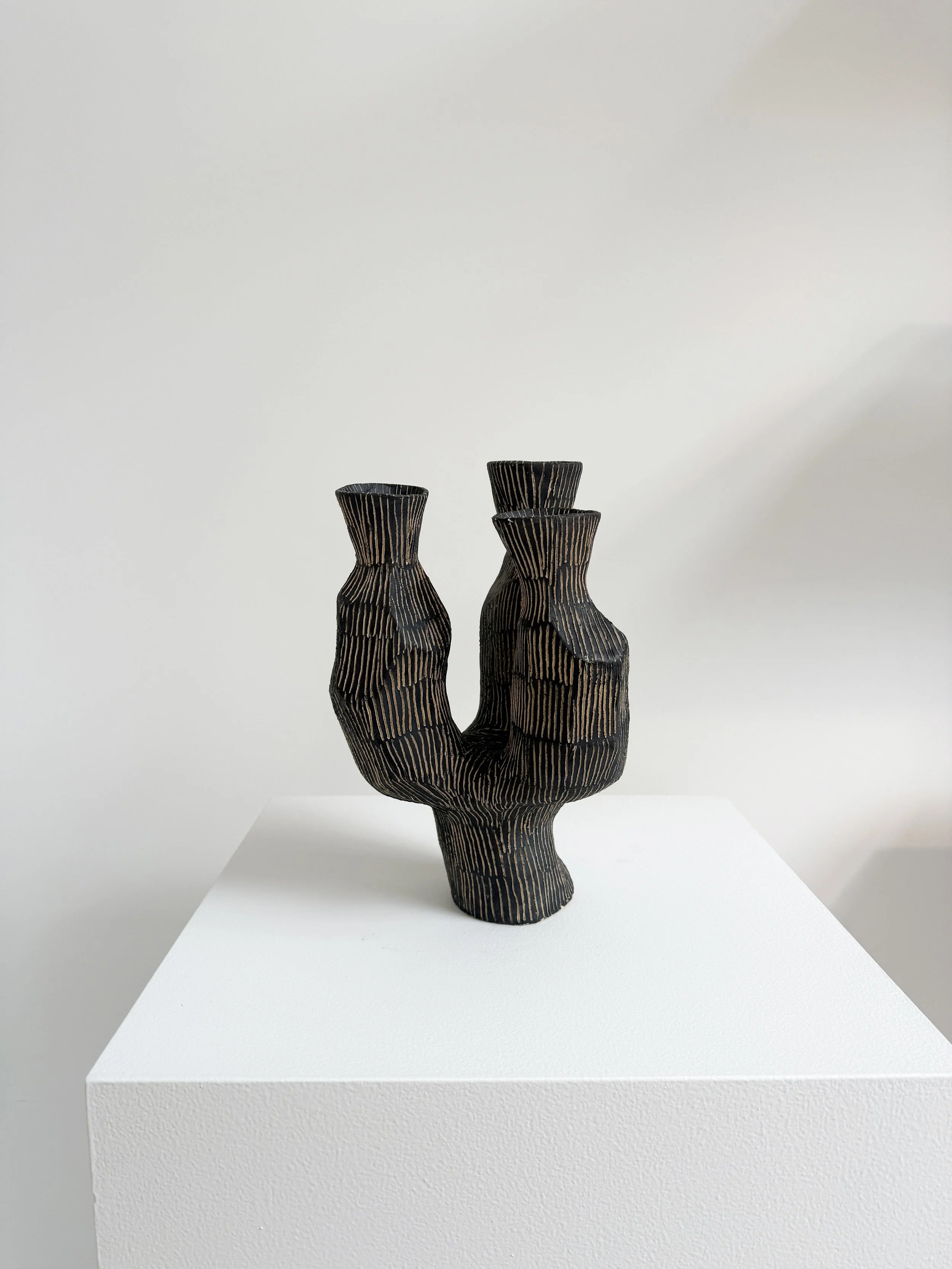
I usually begin a new project with a loose idea of what I want to make. There are several of my ceramic series that inspire and challenge my creative abilities. Through my sculptures, this exploration visually relies on referencing indigenous and geological visuals, both giving surface and form to my primitive yet modern expressions. Experimentation constantly tests and pushes my skills. Nothing goes to waste. I recycle all parts of a project.
What was it about ceramics that first made you want to move from working as an art director to working with your hands?
Working with ceramics came to me very organically. When I was working as an art director, I became very frustrated with how corporate and limiting the job was. Every idea was filtered through layers of people that watered down the creativity, so the end result barely resembled the original idea.
I became bored and frustrated. Sitting at my desk, I formulated a new career path. There was a hole in the dinnerware market, so I devised a plan and quit my advertising job.
In 1988, there were limited handmade and hand-painted ceramic wares available through the larger high-end department stores. I made a decision to become a ceramic dinnerware designer, knowing nothing about clay or the firing process. I found a small business in Los Angeles that made and sold greenware. Basically, it is liquid clay poured into a plaster mold and dried to form plates, bowls, platters, and pitchers. I bought several of these pieces and painted them with various designs. I purchased a bag of clay and took a basic class on making clay flowers. Then I combined my painted wares with attached clay objects. My fired pieces immediately found interest in a small shop, and grew from there. Within the year, the ceramics found their way to high-end stores. I was hooked.
What is it about working with clay that you feel cannot be replicated through another medium?
While creating, I find myself in a constant state of rebellion. Clay has a mind of its own. You cannot control your results. The best you can do is manage and let go. I find working with clay always challenging and full of wonderful surprises and staggering disappointments. My goal is to always push the boundaries of what I have done in the past.
Clay has “limitations,” too. Too much stress and it will crack, drying it too quickly and it will crack, building too wet and it will collapse. My intention is to understand the particular “limitations” and work with, not against, them.
DO you think your work today still carries traces of the different chapters of your career, from advertising to functional ceramics to fine art?
Absolutely. Having gone to The Art Center College of Design in Pasadena, CA, I was educated in all aspects of fine art and design. Art direction is very concept-oriented. That experience carried over to creating functional wares. My ceramic line was created much like fashion. Twice a year, I would design 4 to 6 new collections. Successfully making and selling ceramic wares requires constant innovation and marketing to your target clientele.
Creating fine art allowed all of the restrictions to fall away and reveal what is solely in the artist’s soul, regardless of sales or marketing. For me, it was a way of deconstructing my past experiences while retaining so much valuable information. Now I embrace imperfections and encourage mishaps, and work without an agenda. My work is all about the process instead of the result.
CONTACT
discover BRENDA HOLKZE through the lens of graye.