FLORISTRY AND THE INTERPLAY OF LINE AND SPACE
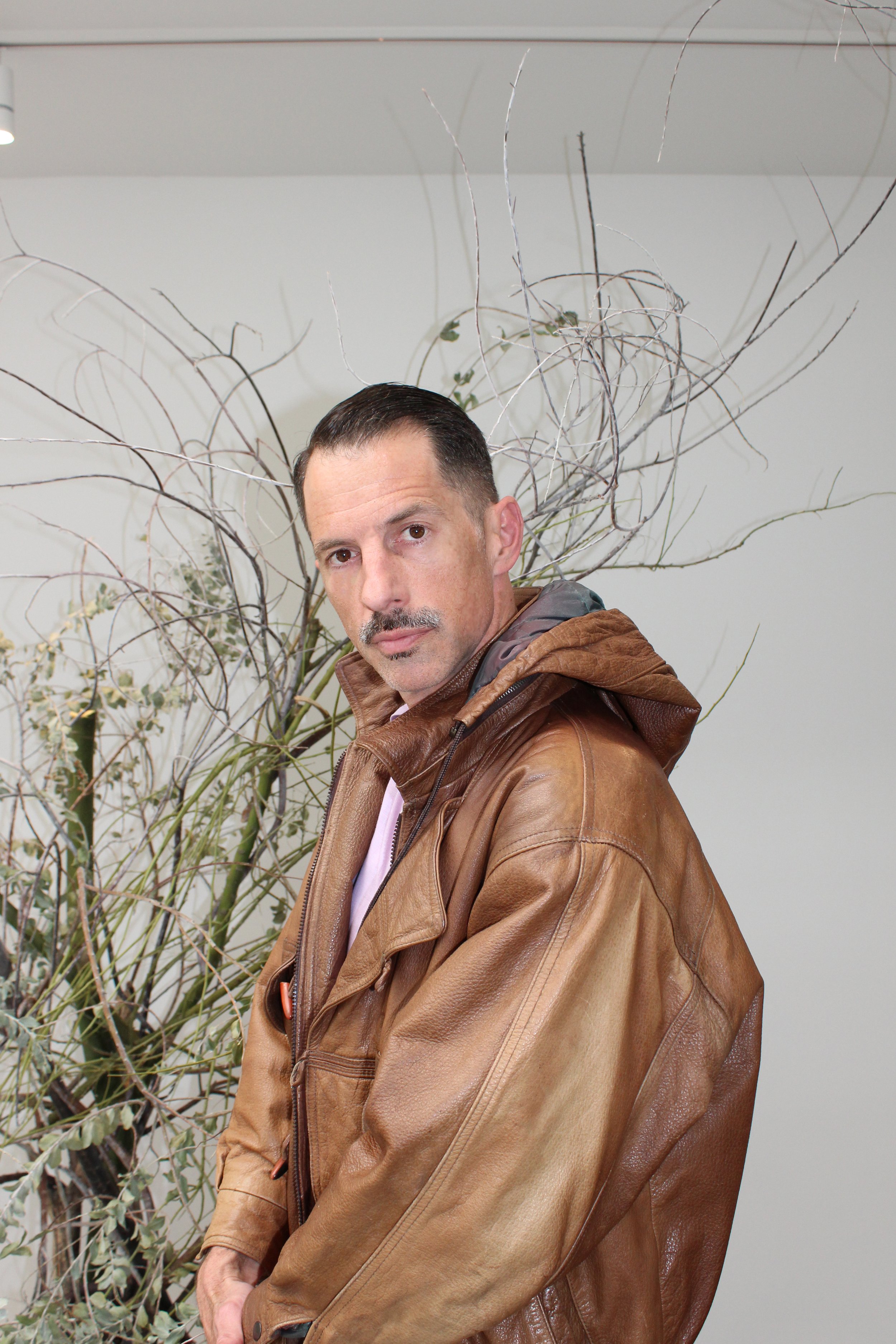
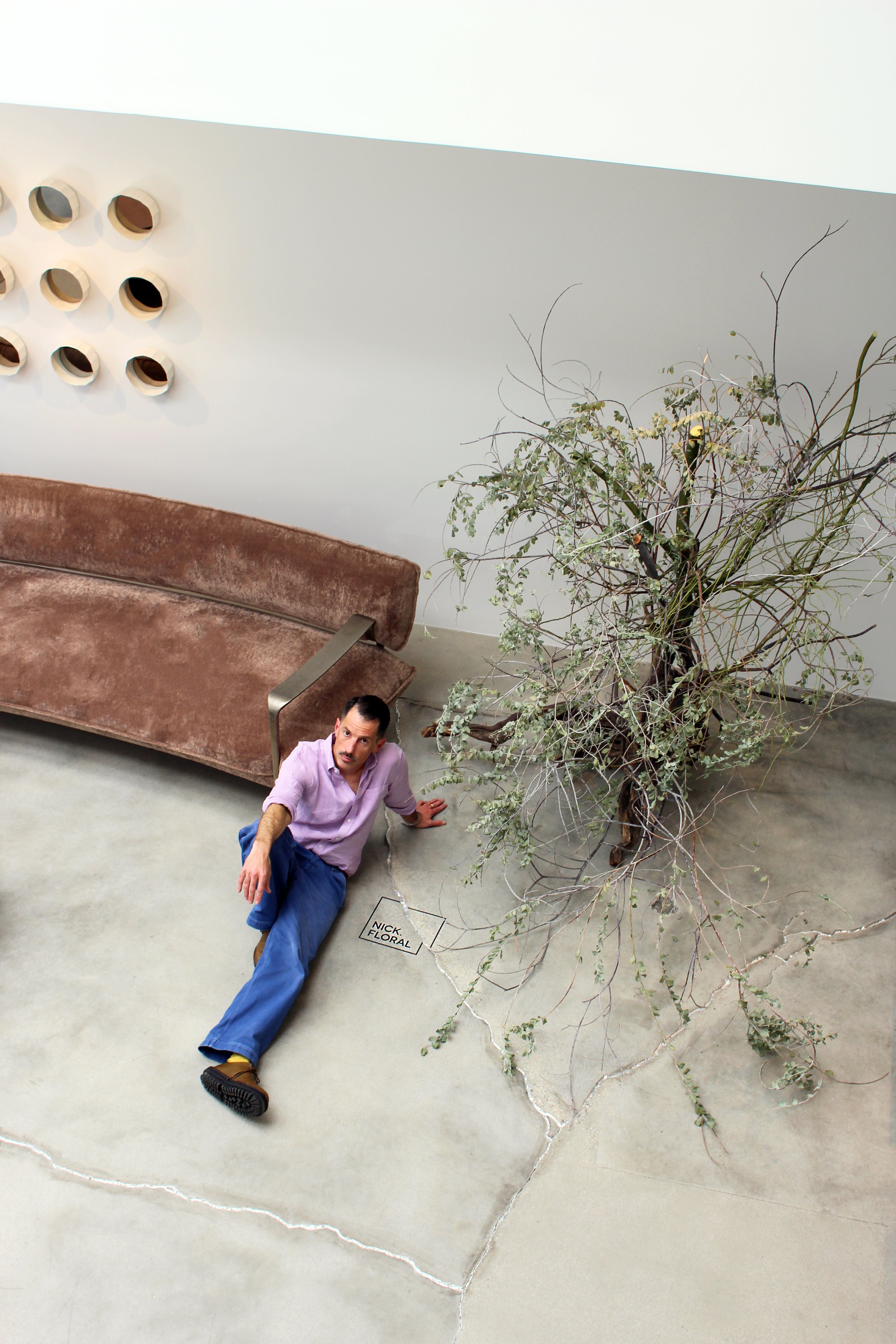
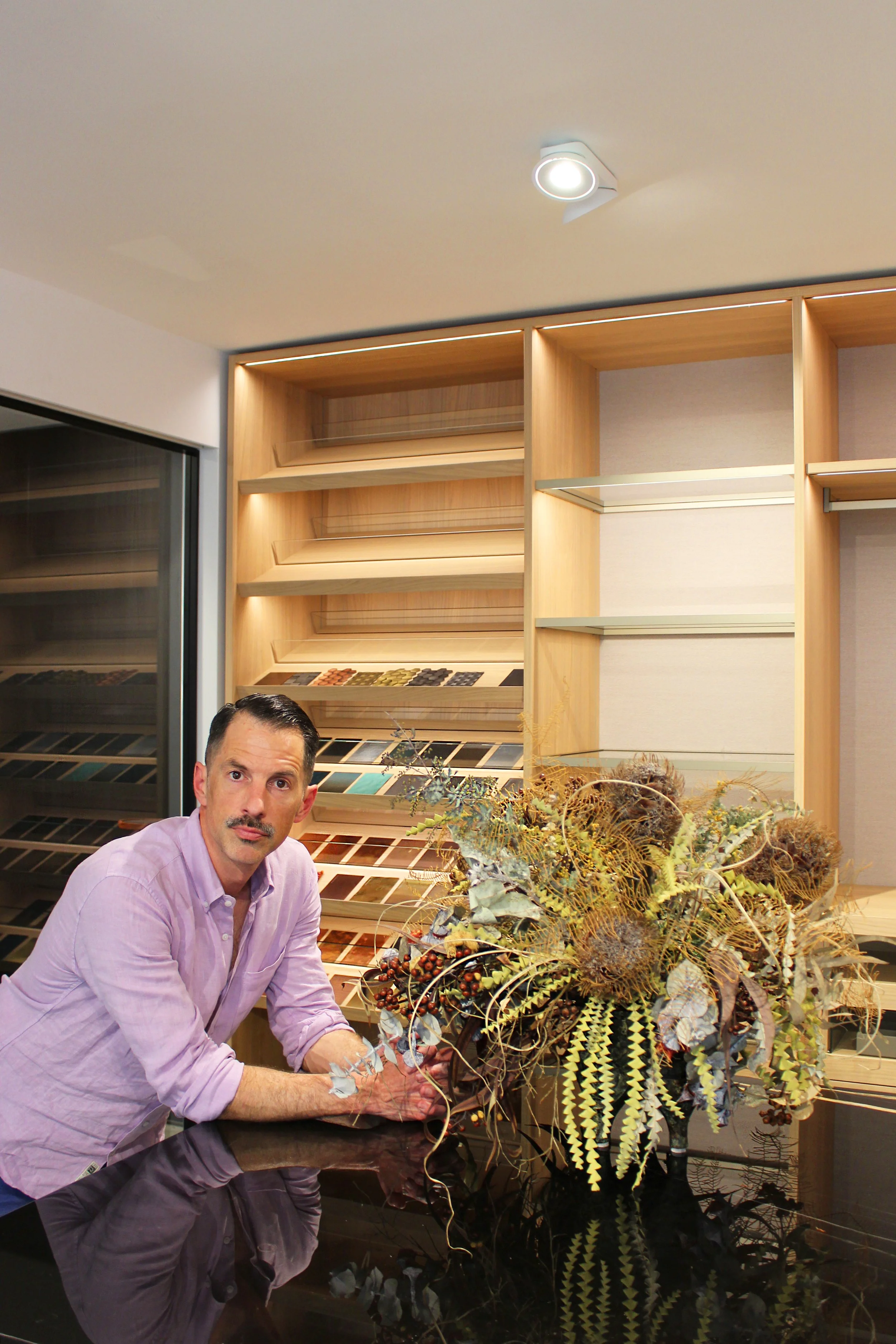
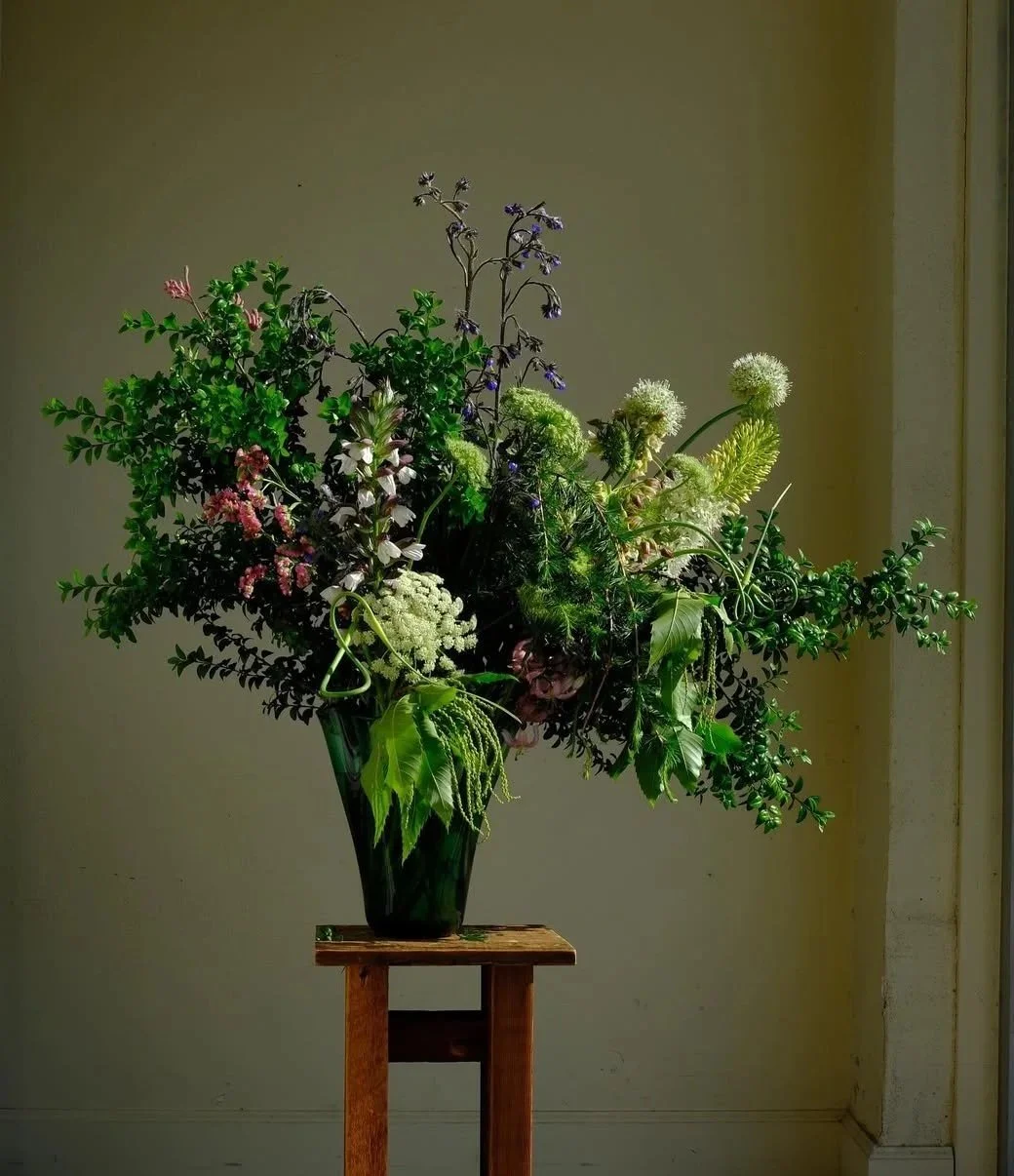
Based in Los Angeles, Nicolas Beckman builds custom botanical sculptures of dried and preserved materials.
Expressing both season and time, the assembled materials appear to come together naturally.
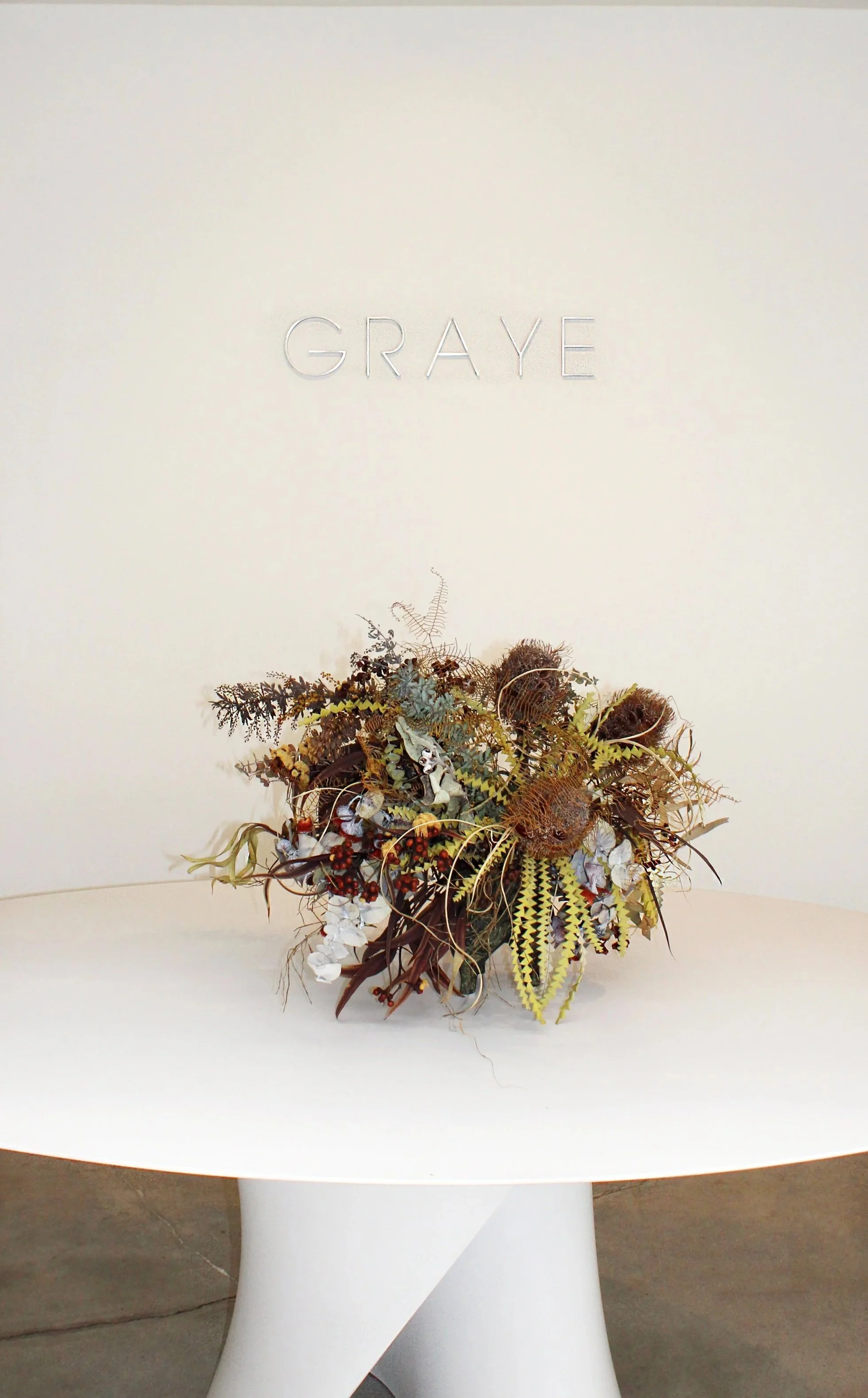
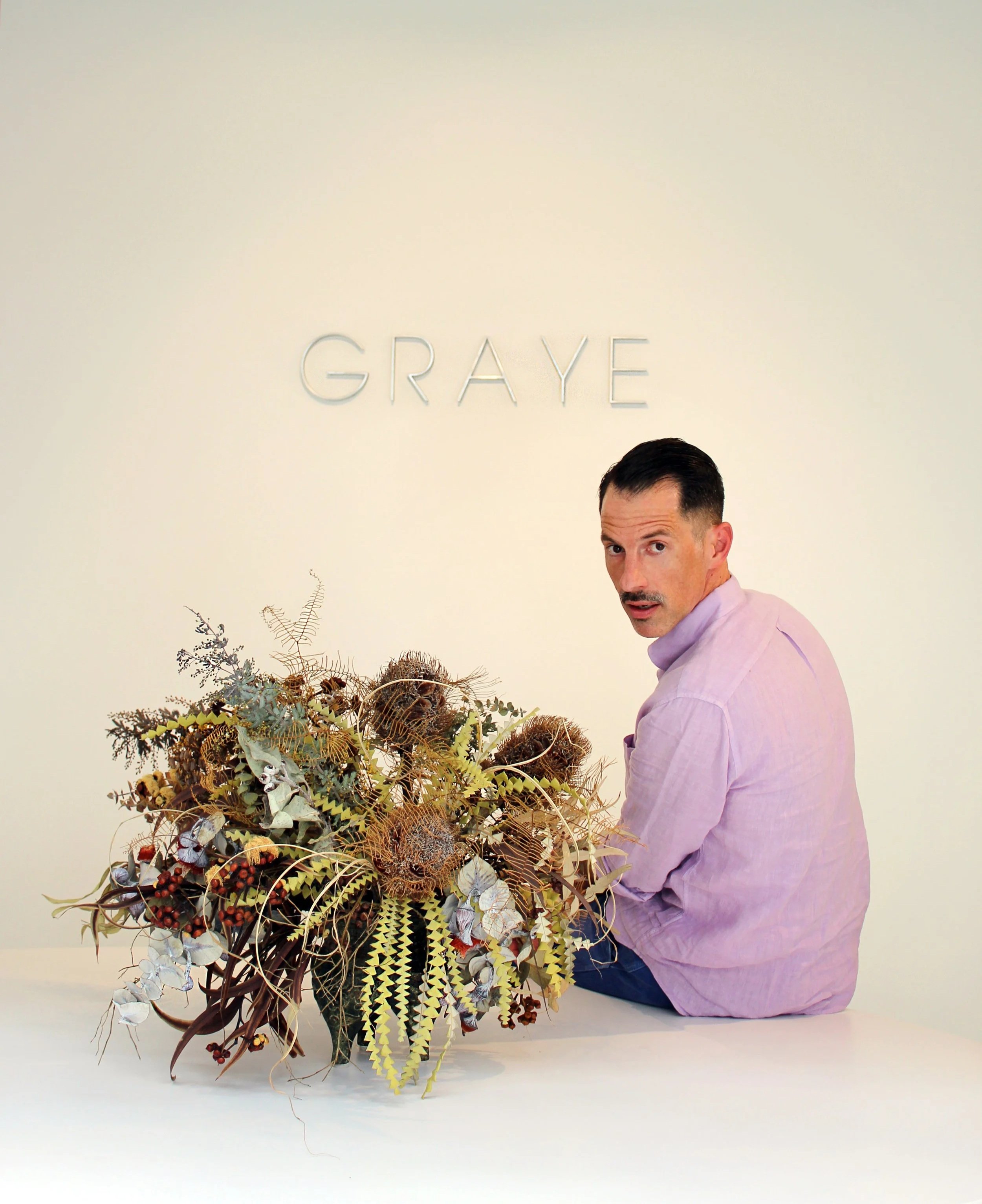
IN ADDITION TO WHAT IS CURRENTLY ON VIEW AT Graye, large installations can be found at Osteria Mozza, Jar and Agnes Restaurants in LA, as well as Babbo Restaurant in New York City. Guided by the principle that something can be made with anything, Nicolas seeks special assignments for common spaces.
THE SHAPE OF STILLNESS
Your floral sculptures blur the line between nature and art. How do you define your work? Are you a floral designer, an artist, or something else entirely?
I’m mostly just a florist — in the way a baker is a baker or a butcher is a butcher. Floristry is a broad category in practice. You can imagine the florist stepping in wherever something visual or object-oriented is needed.
Can you describe the moment or experience that first drew you to working with florals as a sculptural medium?
I became a florist after a few other careers fizzled. But it started to feel like something special when I found I could really excite and impress myself with the work. At first it felt like luck, and then over time it turned into something more like awe. Some of that is clearly my own surprise and excitement but it got me curious about giving that feeling to someone else through a floral arrangement.
Your arrangements often feel architectural and emotionally charged. What does your creative process typically look like, from concept to final form?
Many of my projects are open-ended, which is a real blessing. I usually begin with a sense of the scale and the types of materials that will structurally hold. Then I figure out logistics — how things will be delivered, in what order, who’s involved. After that there’s just the actual making and it’s a stem-by-stem process. I try to stay attentive and keep on working until it feels complete.
In your opinion, what makes a floral composition feel alive, beyond just being fresh or beautiful?
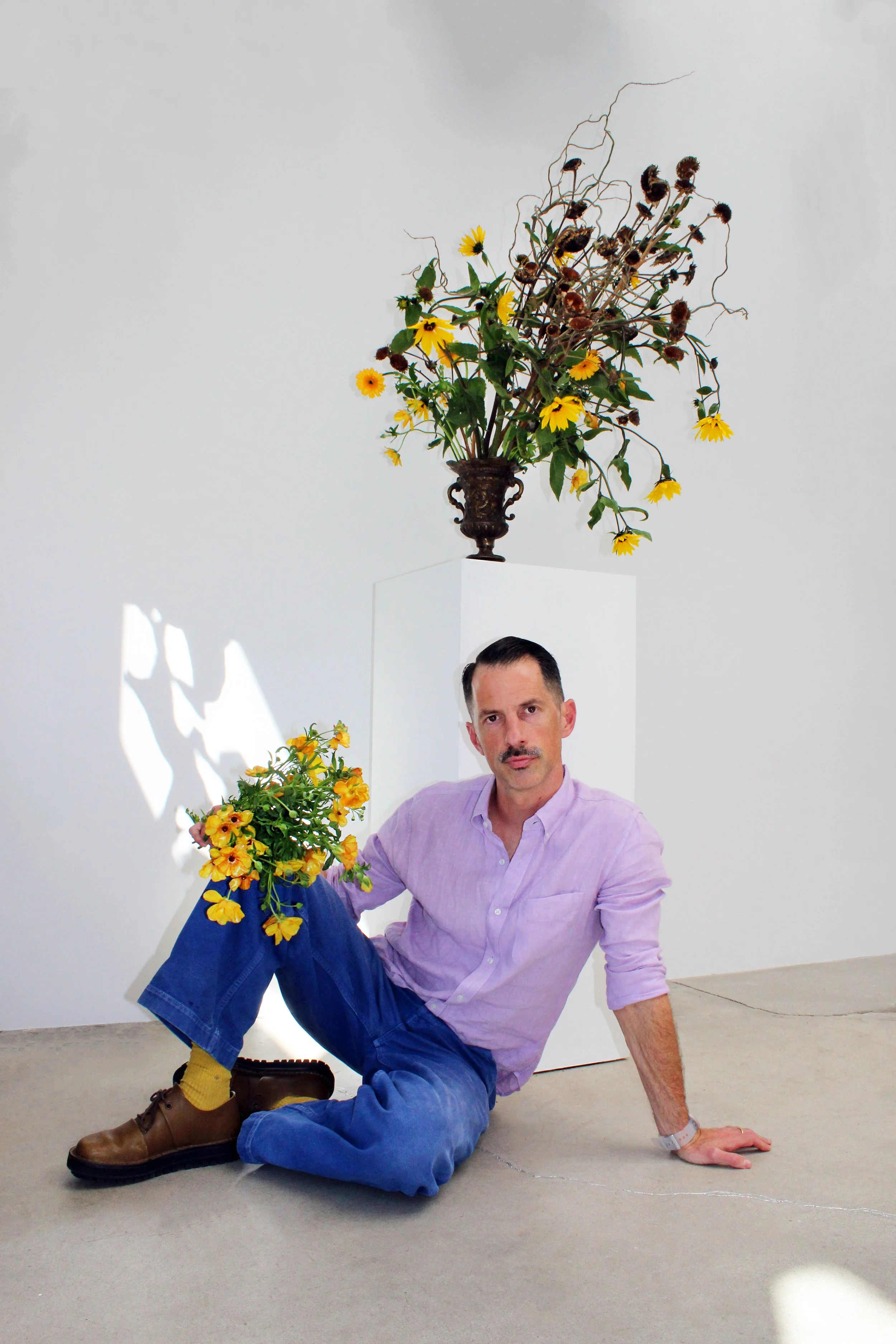
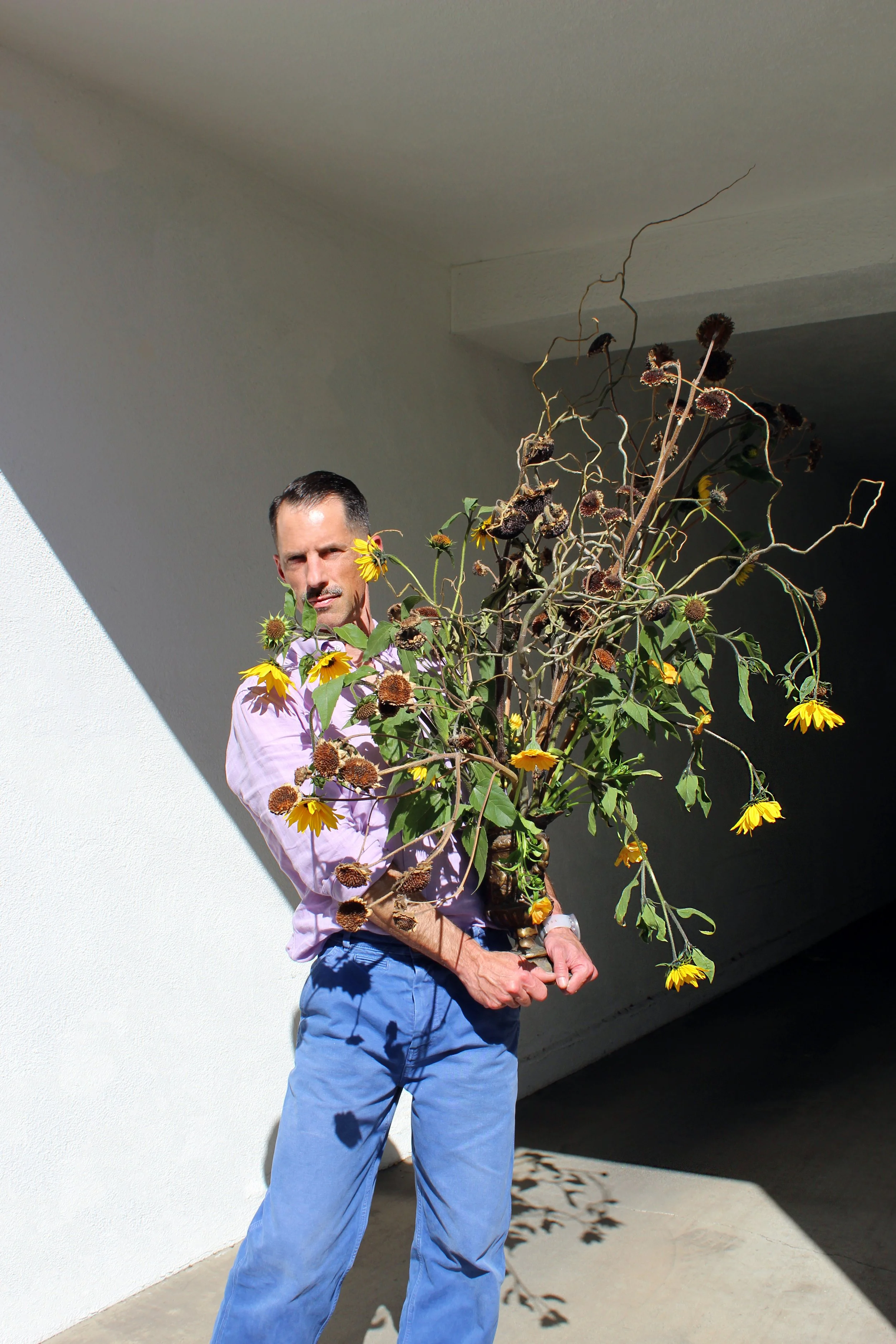
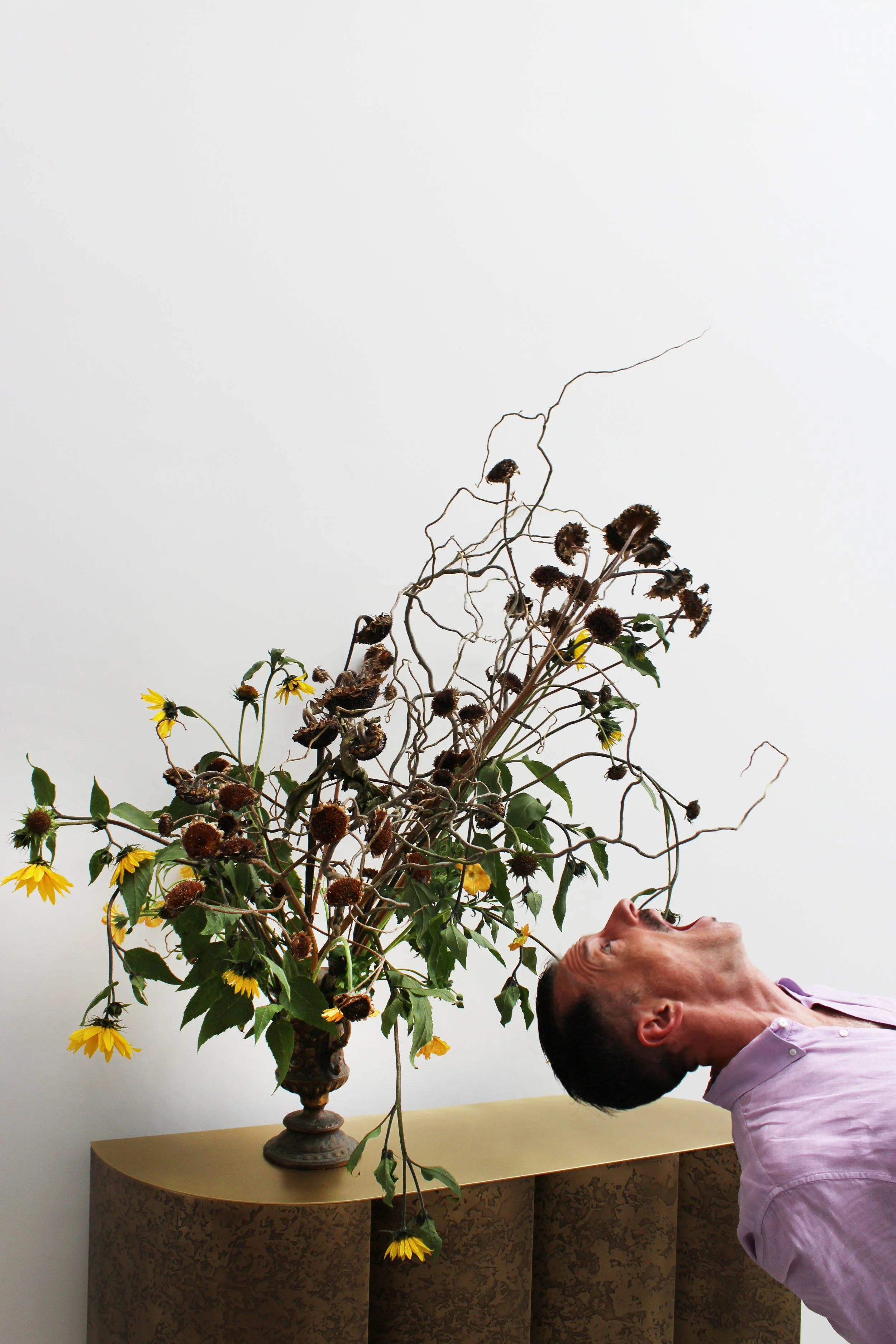
People have an intuitive visual sense of weight and how it’s distributed. I try to show elements resting on each other, resisting gravity just a little. That slight torque or reach can make an arrangement feel alive — or at least like it’s in a precarious state of change.
GRAYE LA embraces minimalism and material consciousness. How do these principles influence your selection of flowers, vessels, and design elements?
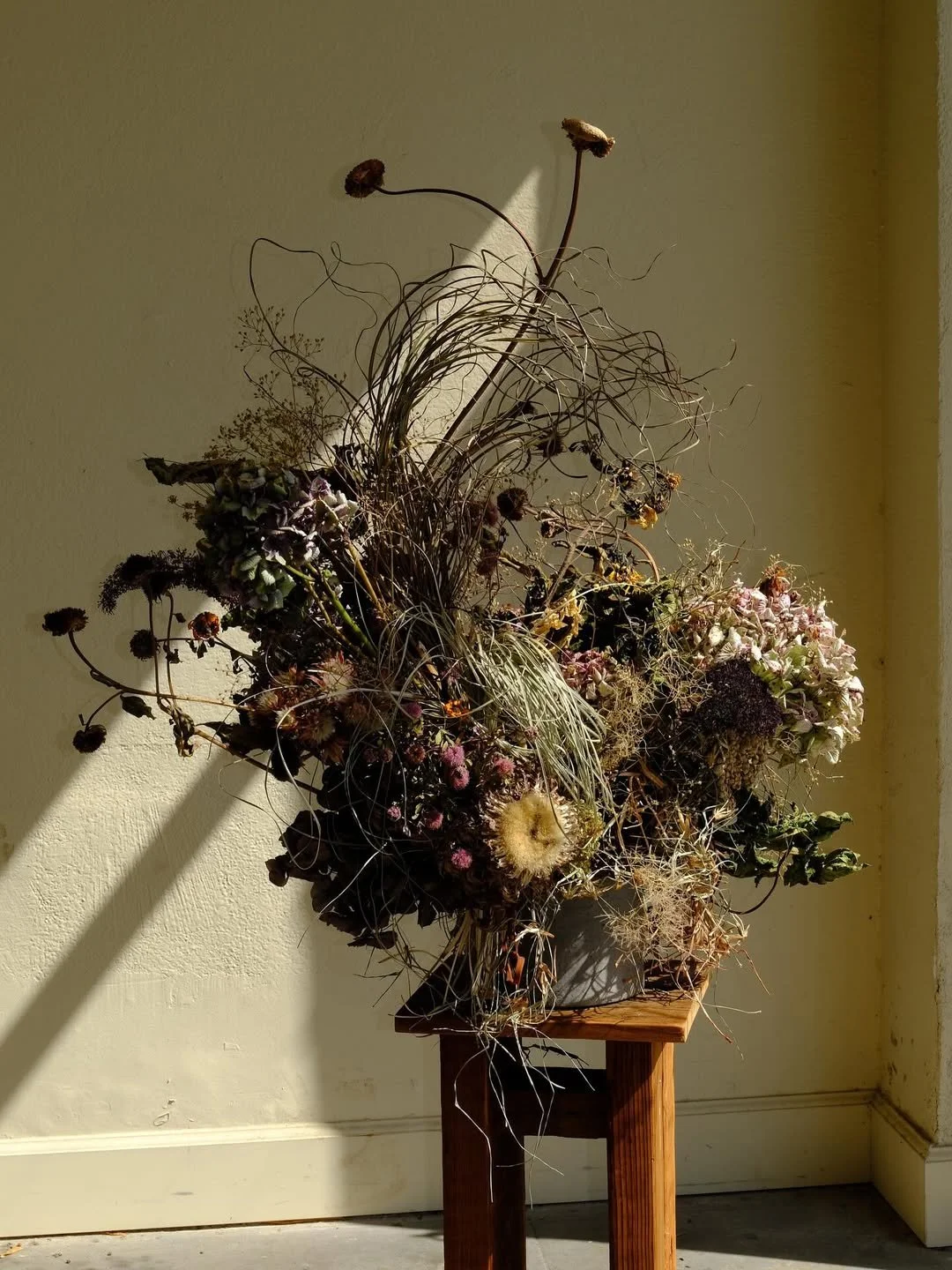
Especially when I’m working with dried materials, I’m very picky about what goes in. The arrangement is often defined by what’s available, and that scarcity shapes its scale and appearance. One way I practice material consciousness is by not hiding parts of the arrangement. It not only honors what’s there, it saves other materials from the sad job of just covering something else. With dried arrangements, some people have such a natural disgust for the materials it’s important to respect that and only use what’s necessary to make the impression.
Do you have any rituals or habits that ground your creative practice in such a transient material world?
I try to remember that what I’m after is more magnificent than anything I could foresee. So I don’t emphasize planning or sketching, other than making sure I logistically have what I might need. More and more, I find that staying sane and healthy is what supports my creativity. What I need most is patience and endurance — not ideas.
You often collaborate across disciplines. What excites you about cross-disciplinary work, and how do you stay true to your aesthetic?
My aesthetic tends to come through on its own, in the many tiny decisions that go into building something. Collaboration, for me, means accepting a crowded or contradictory set of givens and following the work as it grows out of that. I’m fortunate to have some projects where I’m given a blank slate — but most of the time, someone gives me a bizarre premise, and I have to make it sing. Mostly it’s just staying away from the burdens of blame and credit.
What’s inspiring you right now in nature, culture, or design and how is that shaping your current or future work?
Oddly enough, it’s often client requests that push me in new directions. I started doing large-scale dried arrangements not because of anything I’m saying about line or impermanence — but because that’s what Nancy wanted for Mozza. Lately I’ve been rethinking how fake or artificial materials — plastic, painted, synthetic — might carry the same emotional charge as plant matter. I have also recently started to try and apply the principles I’ve learned through flower arranging to the process of photographing the arrangements.
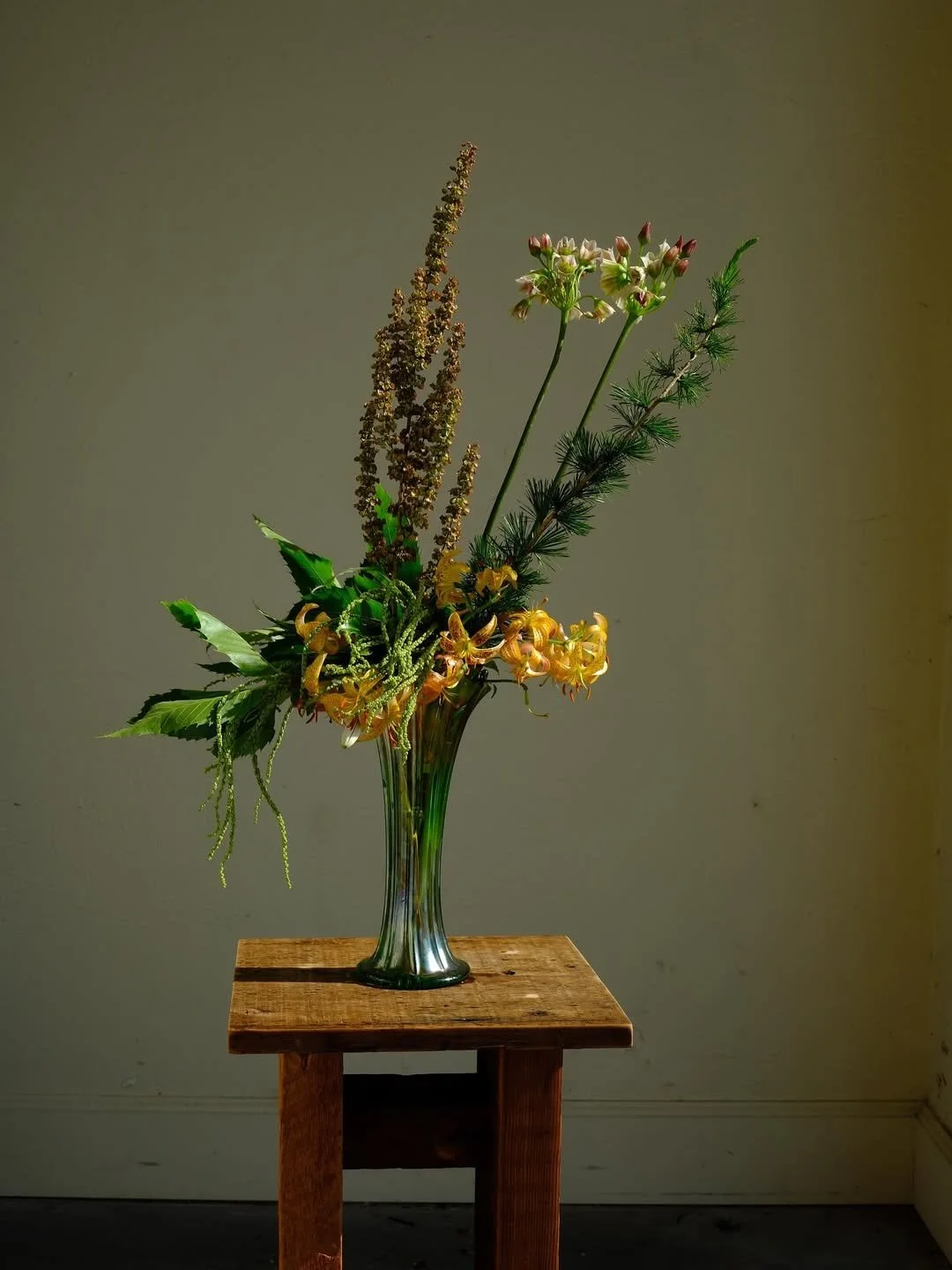
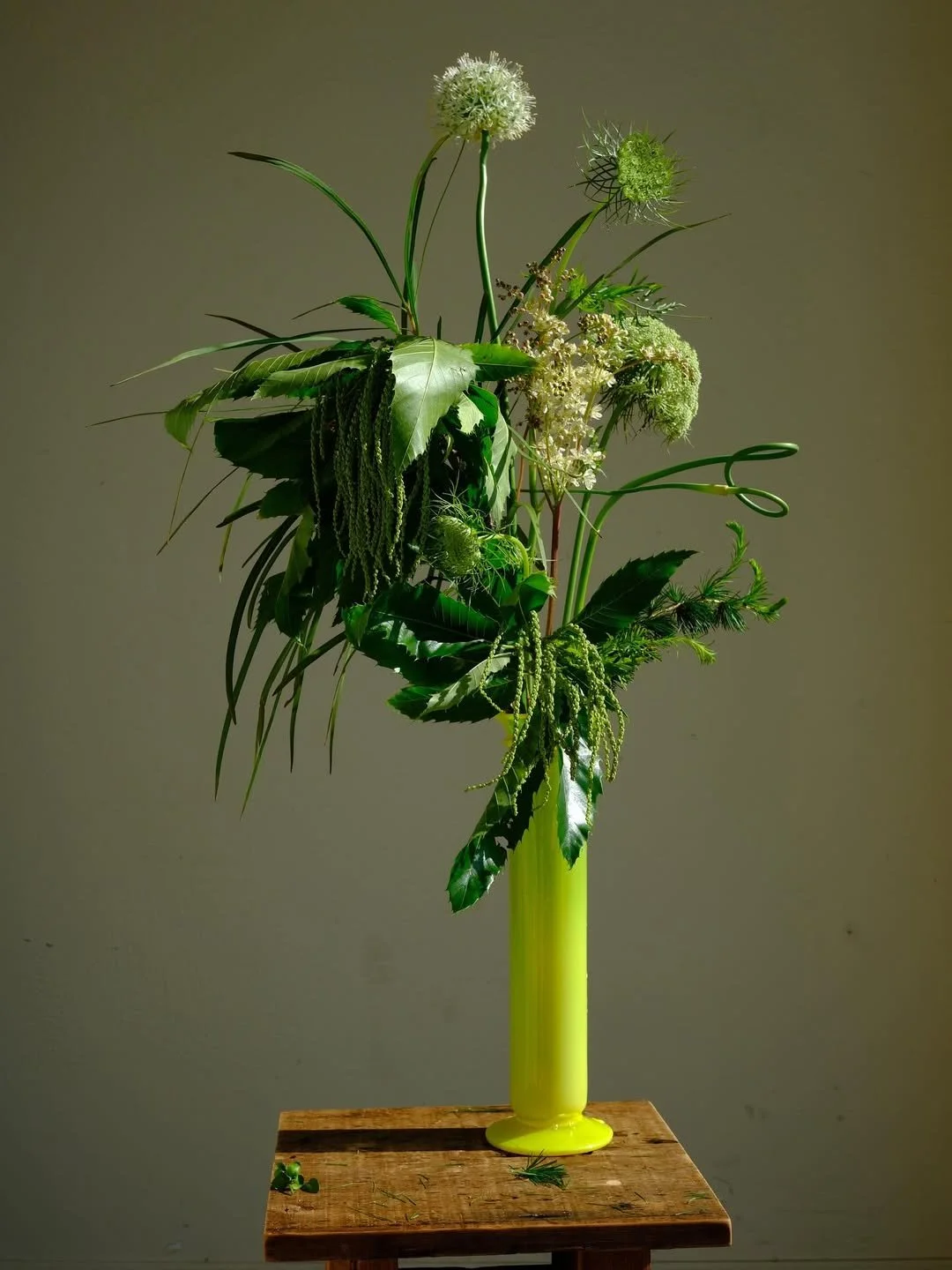
FEATURED ARRANGEMENTS
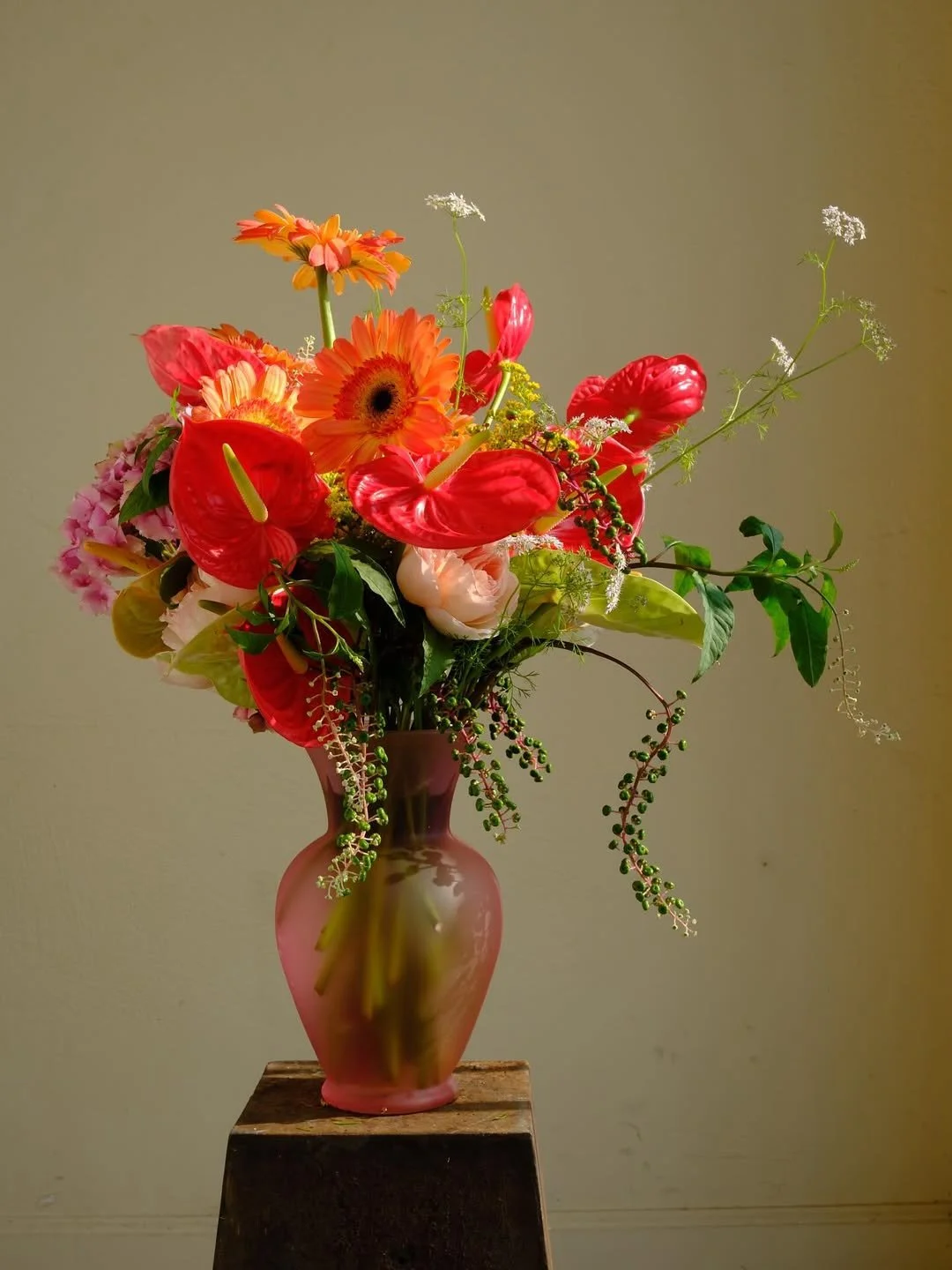
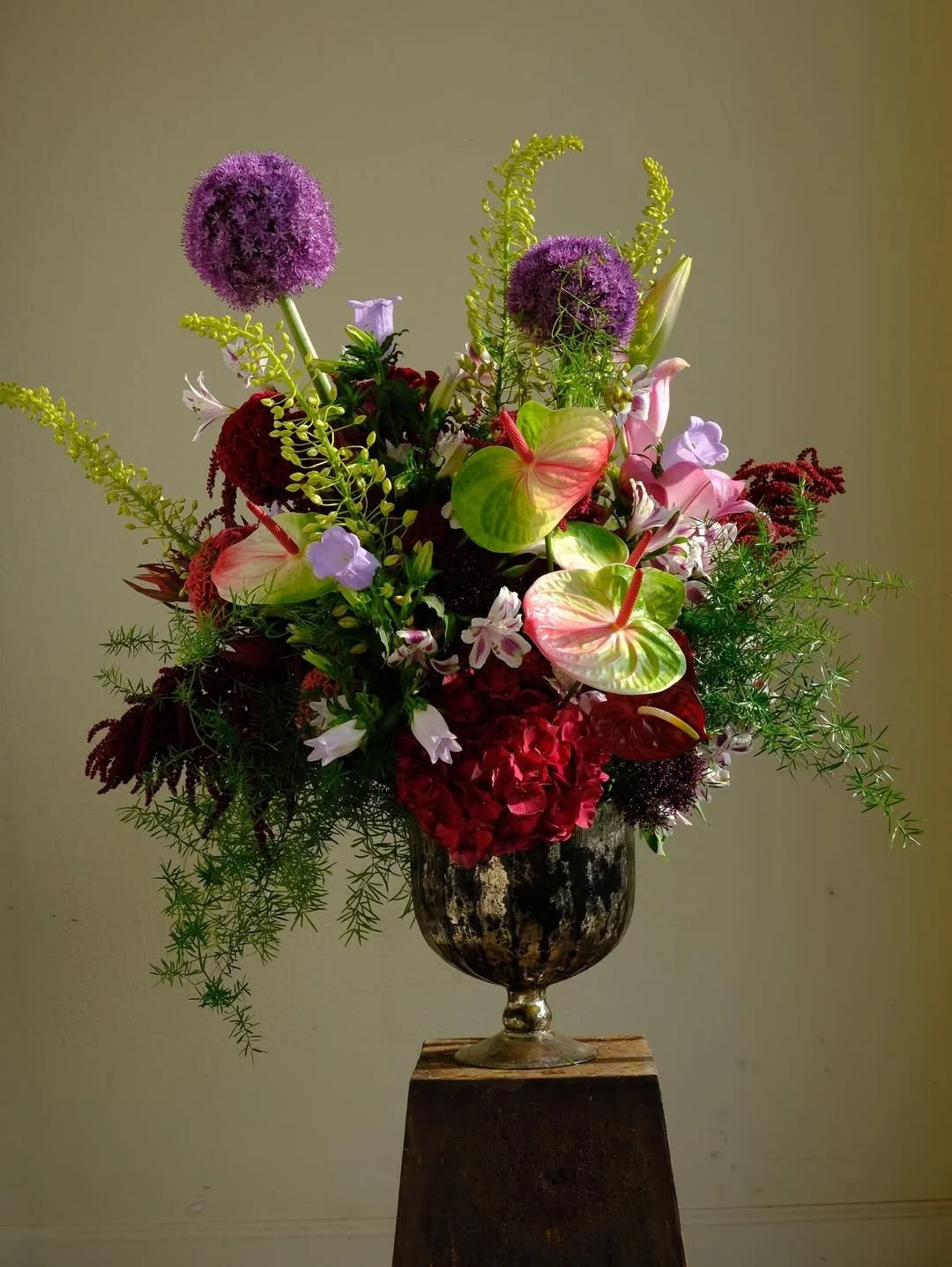
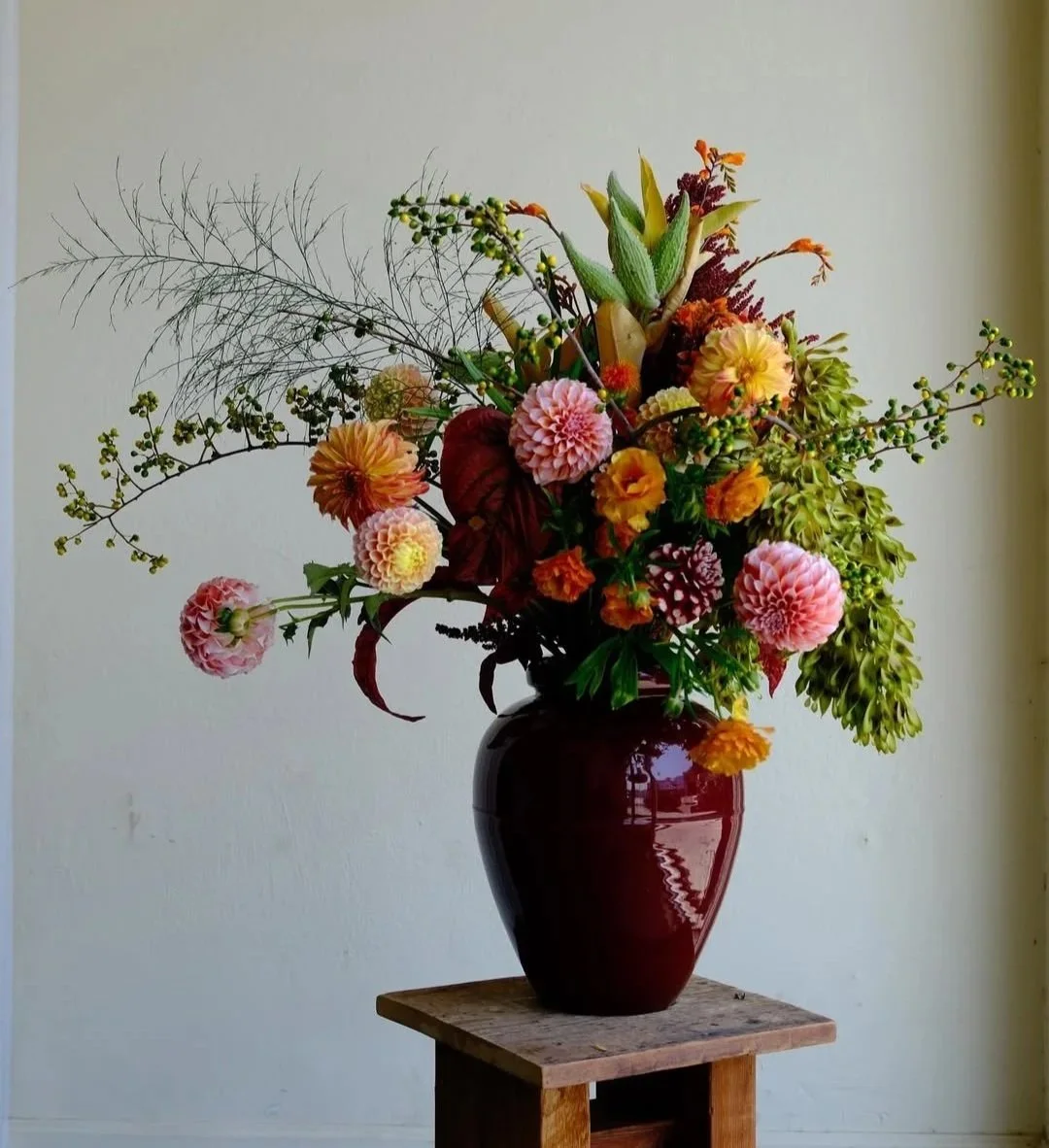
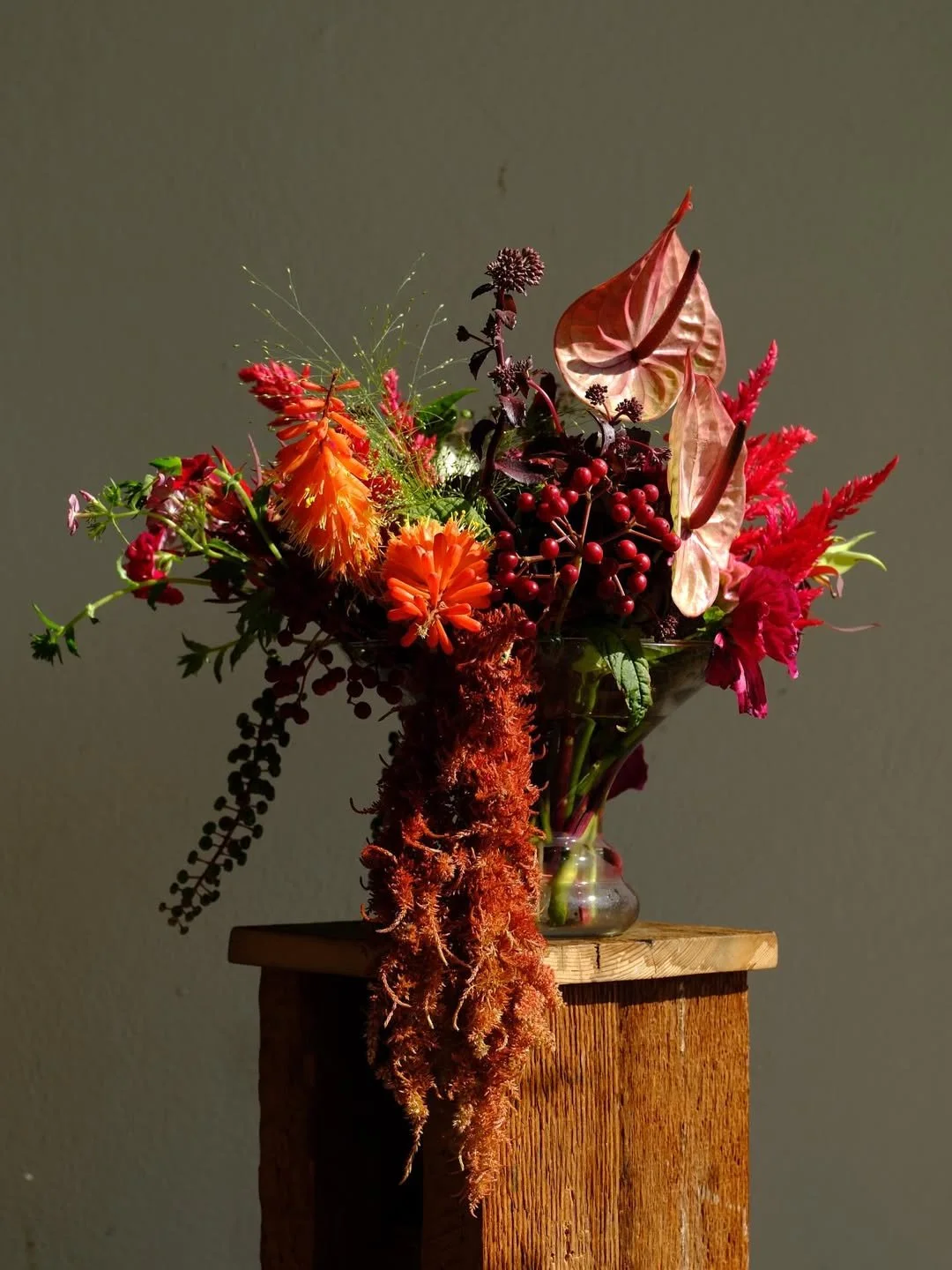
CONTACT
discover NICK FLORAL through the lens of graye.