
The Value of Bespoke Furniture for Unique Interior Design
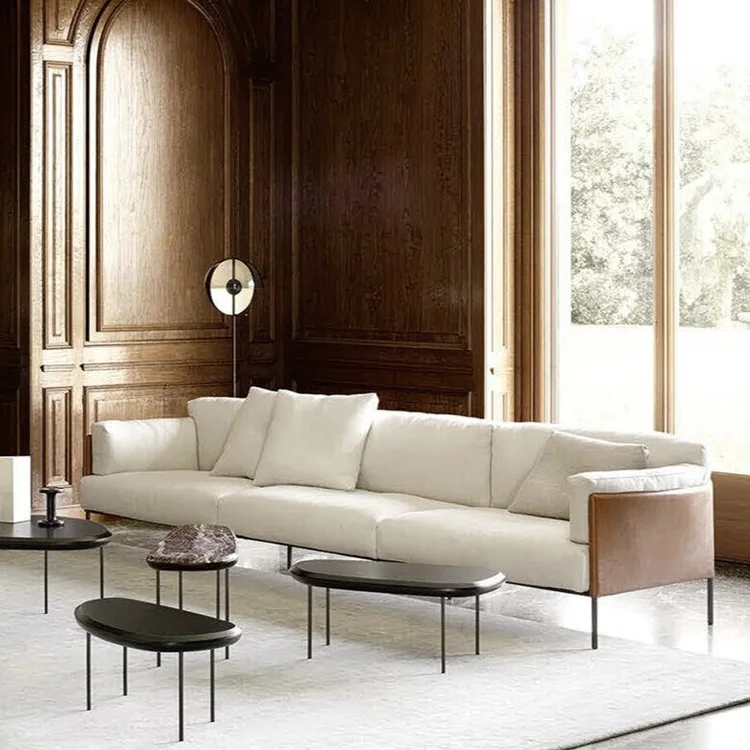
The word "bespoke" entered furniture design from tailoring, and the analogy is more precise than it first appears. A bespoke suit is not just a well-made suit; it is a garment constructed to the specific measurements and preferences of a single individual in a cloth and configuration chosen for that person's body, context, and life.
Bespoke furniture proceeds from the same principle. It is not just expensive furniture; it is furniture designed for a specific room, a specific use, and a specific person, whose formal and material qualities are determined by a conversation between the maker and the person who will live with it.
The Distinction Between Bespoke and Customized
The language of contemporary furniture retail has made "custom" a near-ubiquitous claim, applied to anything that accepts a choice of fabric or finish. This usage has diluted the word to the point of meaninglessness. True bespoke household furniture is something categorically different: it is furniture whose dimensions, proportions, and material specifications are determined by the specific conditions of the project rather than adapted from a standard range.
A bespoke sofa is not an extra-soft one in a non-standard fabric; it is a seating system whose dimensions have been worked out in relation to the room's floor plan, ceiling height, and circulation requirements. A bespoke shelving wall is not a modular system in a chosen finish; it is a storage architecture whose individual dimensions, shelf heights, and internal configurations have been specified to hold a particular collection in a particular room.
This distinction matters because the outcome of genuine bespoke furnishings is qualitatively different from the outcome of a customized standard product. Bespoke furniture fits its room in a way that no adapted catalog piece can replicate because it was designed to fit that room from the beginning.
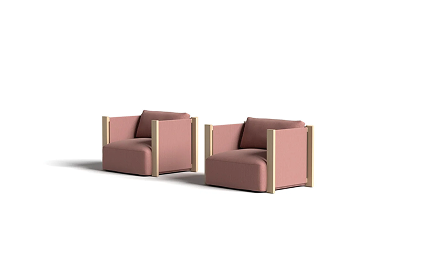
ARKADIUS
Lounge chair with architectural wooden backrests and armrests, pairing structured vertical slats with soft upholstered cushions.
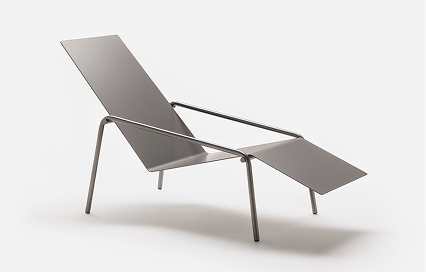
FILLET LOUNGE
Chaise longue with powder-coated stainless steel and aluminum frame, available with removable cushions and finishes suited for both indoor and outdoor use.
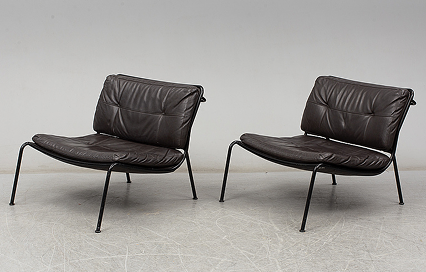
FROG
Lounge chair with removable leather or fabric covers
The Bed and the Private Architecture of the Bedroom
The bed is among the domestic objects that most benefit from bespoke specifications, because the bedroom is the room whose dimensions, proportions, and material character are most personal. The headboard's height relative to the ceiling, the bed base's height above the floor, and the relationship between the bed's width and the room's flanking clearances: these are dimensions that no standard size range can address perfectly for every room.
Piero Lissoni's Neowall bed, comprised of soft elements with fully removable fabric or leather covers, is a piece whose formal vocabulary is suited to bespoke bedroom furniture. The removable covers allow the material register of the bed to be revisited over time, and the system's dimensional logic is designed to accommodate the range of bedroom proportions encountered in serious residential interiors.
Shelving and the Architecture of Display
The most architecturally transformative application of bespoke furniture is shelving. A shelving wall designed to the specific ceiling height of a room, in a material that speaks to the room's existing palette, with shelf depths calibrated to the particular collection it will hold, is not a piece of furniture in the conventional sense. It is an architectural intervention that changes the character of the room.
Nao Tamura's Ryo is a modular bookcase with aluminum shelves and folded triangular supports, creating a sculptural, multifunctional storage system defined by lightness, structure, and shimmering materiality. Its modular logic allows configuration to the specific wall and room it inhabits, while the aluminum structure maintains a dimensional precision that conventional timber shelving cannot achieve at extended spans.
The Role of a Curatorial Practice in Bespoke Design
Customized furniture does not exist in isolation. It exists within a broader design context: the room's architectural character, its other furnishings, the quality of light it receives, and the life that will be lived in it. The most successful bespoke interiors are produced through a design process that considers all of these variables together rather than resolving them sequentially.
Graye's residential design service approaches tailored furniture specification in this spirit. The conversation begins with the room and the life it will hold, and the bespoke furniture that results from that conversation is furniture that could exist nowhere else.
FAQs
-
Storage and shelving systems benefit most because their dimensional relationship to the specific room is most consequential. Beds, sofas, and dining tables also benefit greatly when the room's proportions fall outside the ranges that standard production addresses well.
-
Bespoke pieces typically require 2 to 4 additional weeks apart from the standard production time of 16 to 20 weeks, as the design development, material sourcing, and manufacturing are project-specific. The precise time frame depends on the complexity of the specification and the maker's production schedule.
-
Not always, particularly when the bespoke specification is delivered through a design practice that has established relationships with makers. The additional cost relative to high-quality standard production is often justified by the elimination of compromise and the improvement in spatial outcomes.
-
Bespoke furniture that is specific to a bedroom will rarely translate perfectly to a different space. The argument for bespoke is primarily about the quality of the relationship between the piece and its room, which is a fundamentally site-specific proposition.
-
Ideally, custom furniture is specified during the design development phase of the construction project so that architectural decisions and furniture dimensions can be resolved together. This is particularly critical for integrated storage and shelving that will be built into the room's architecture.
