
How to Decorate a Bedroom for Comfort and Luxury
Understanding how to decorate a bedroom begins with recognizing that comfort is shaped long before cushions or decorative objects are introduced. Light changes the way materials are experienced throughout the day. Furniture defines movement, proportion, and balance. When these elements are resolved together, the bedroom becomes more than a place to sleep.
The most enduring bedrooms are rarely the most elaborate. They rely instead on thoughtful composition, refined materials, and furniture that allows the architecture of the room to remain visible.
Let the Bed Establish the Room's Architecture
Every bedroom is organized around the bed. It is the largest object in the room, determining how circulation moves around it and how every neighboring piece is understood. The headboard becomes the visual anchor, while the proportions of the frame establish the scale from which nightstands, lighting, and rugs take their cues.
An upholstered bed changes the room differently from one formed entirely in timber or leather. Fabric softens the architecture, absorbing both light and sound to create a quieter atmosphere. A timber structure expresses greater definition, allowing grain and joinery to become part of the room's character.
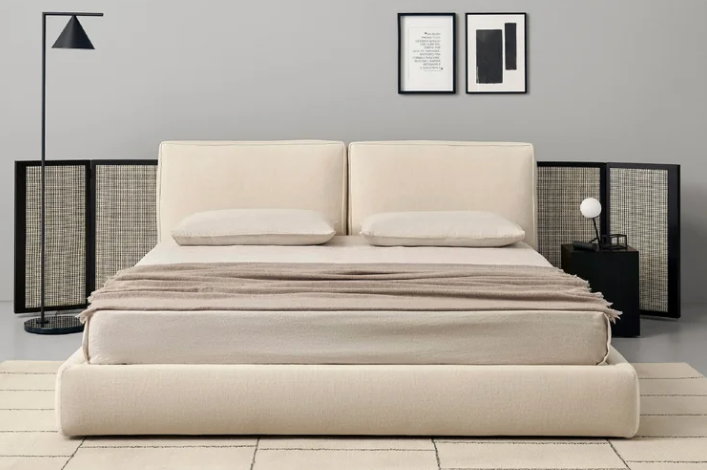
The Byron bed, designed by Piero Lissoni, reflects this philosophy with remarkable restraint. Its generous upholstered headboard introduces comfort without overwhelming the room, while the clean geometry of the frame allows proportion to become the defining feature of the design.
Nightstands Complete the Composition Around the Bed
The furniture beside the bed determines how the central piece is ultimately perceived. Figuring out how to decorate a bedroom means noting that even smaller elements, such as nightstands, influence the overall balance of the space.
A nightstand that sits too low interrupts the horizontal line established by the mattress. One that feels visually heavy can diminish the bed's presence instead of supporting it.
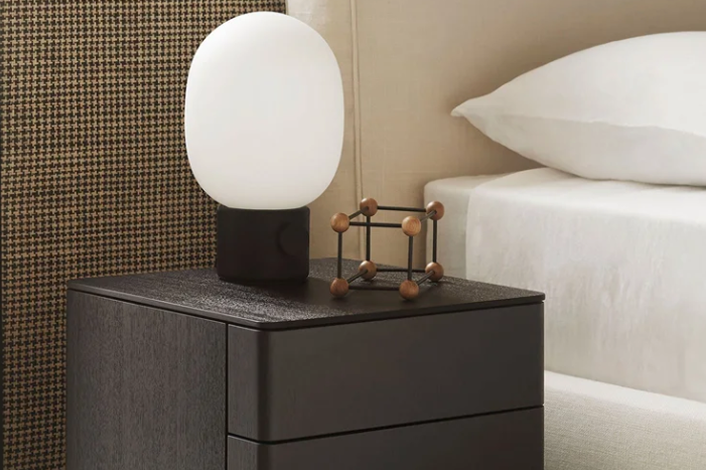
The Comodino Byron nightstand, also designed by Piero Lissoni, extends the language of the bed through quiet detailing rather than direct imitation. Rounded corners soften its geometry, while the ash frame and Black Sugi melamine interior introduce depth through material rather than ornament.
This relationship between neighboring pieces gives the bedroom a sense of continuity that decoration alone cannot achieve.
As explored in our guide to master bedroom ideas , proportion often shapes a room more profoundly than decoration.
Find Luxurious Nightstands for Your Space
Rugs Give the Furniture a Sense of Place
A bedroom rug does more than soften the floor beneath the bed. It establishes the ground on which the furniture rests, giving the composition a clearer relationship to the room itself.
The size of the rug is therefore as important as its texture. It should extend well beyond the sides and foot of the bed so that the furniture reads as a single arrangement rather than a series of separate objects.
Natural fibers and restrained textures contribute more than bold patterns. Among thoughtful bedroom furniture ideas, the rug is often the piece that quietly brings the entire composition together.
Mirrors Extend the Architecture of the Room
A mirror changes more than the reflection it produces. Positioned to receive natural light, it extends the room beyond its physical dimensions while allowing surrounding materials to remain in constant dialogue throughout the day.
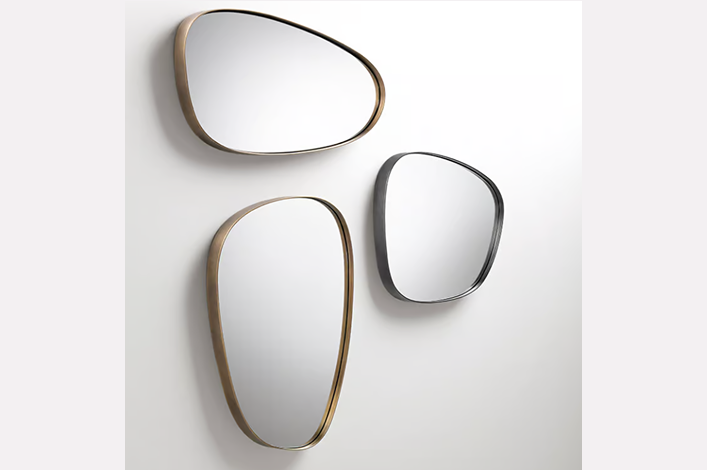
The Syro mirror, designed by Emilio Nanni, is composed of three mirrors framed by sculptural Orbitale DeLabré brass structures. The arrangement creates a sense of movement and balance, where the reflective surfaces interact with the warmth of the metal detailing.
Rather than simply expanding the perception of space, the piece introduces a refined architectural presence that complements bedrooms built around carefully selected materials and proportions.
Decoration Should Follow the Architecture
Knowing how to decorate a bedroom is a matter of restraint rather than addition. Once the furniture has established the room's character, decoration should simply reinforce what is already present. A single ceramic object on a nightstand, one artwork positioned above the headboard, or a carefully selected throw can contribute more than a collection of unrelated accessories.
This approach continues to shape much of today's modern bedroom inspiration. The same principle applies to bedroom styling tips. Bedding, cushions, and textiles should introduce comfort through texture while allowing the architecture of the room to remain visible.
Conclusion
Decorating a bedroom is ultimately about recognizing the relationship between furniture, material, and space. The bed establishes the room's center, nightstands complete the composition, rugs define the floor plane, and mirrors extend the architecture beyond its physical boundaries.
When each element is selected with care, the bedroom develops a quiet confidence that does not depend on ornament or excess.
At Graye, our collection includes furniture and lighting by internationally recognized designers whose work reflects this same philosophy, allowing you to approach how to decorate a bedroom through enduring design, thoughtful craftsmanship, and materials that continue to reveal their character over time.
FAQs
-
There is no single answer. Upholstered beds create a softer architectural presence, while timber or leather frames express greater definition through material. The most successful luxury bedroom decor begins by selecting a bed that complements both the proportions of the room and the surrounding materials.
-
One of the most useful bedroom decorating ideas is to create layers within the room. A generously sized rug beneath the bed, balanced bedside furniture, and carefully positioned lighting help define the sleeping area without reducing the openness of the space.
-
Not necessarily. Some of the most considered bedroom furniture ideas combine pieces that share a similar language of proportion and material rather than identical forms. This creates a room with greater depth while maintaining visual harmony.
-
A mirror is most effective where it reflects natural light or extends a significant view within the room. Positioned opposite or adjacent to a window, it contributes to the architecture by increasing the sense of openness rather than functioning only as decoration.
-
The most important step in understanding how to decorate a bedroom is establishing a clear hierarchy. Begin with the bed, allow neighboring furniture to support its proportions, and introduce lighting and decoration only after the room's architectural composition has been resolved.