
Measure Twice, Design Once: How to Measure Room for Furniture Correctly
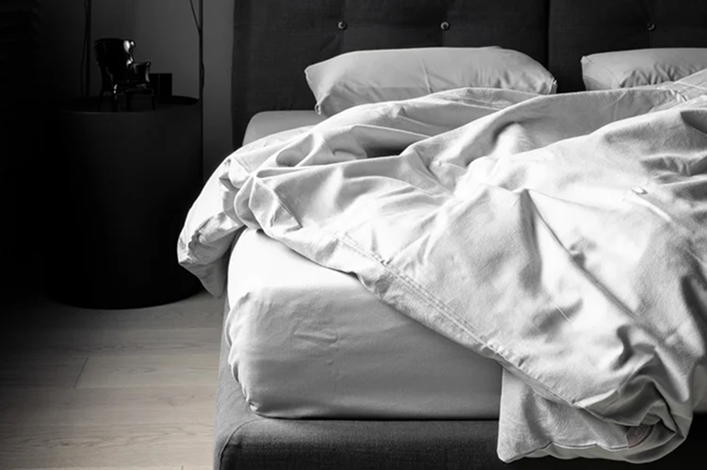
A beautifully selected piece of furniture that fails to fit its intended environment is a design error that can be easily avoided through a more rigorous approach to spatial planning.
Mastering how to measure room for furniture is a technical discipline that aligns your floor plan with the way you inhabit your home. It isn’t merely about the dimensions of an object, but the relationship between that object and the architecture surrounding it. Accurate planning ensures that every selection feels intentional and settled once it arrives.
The Floor Plan as the Primary Design Instrument
Everything begins with a scaled document. To understand how to measure room for furniture, one must record the full perimeter at floor level, including door and window positions, sill heights, and architectural projections like columns or hearths.
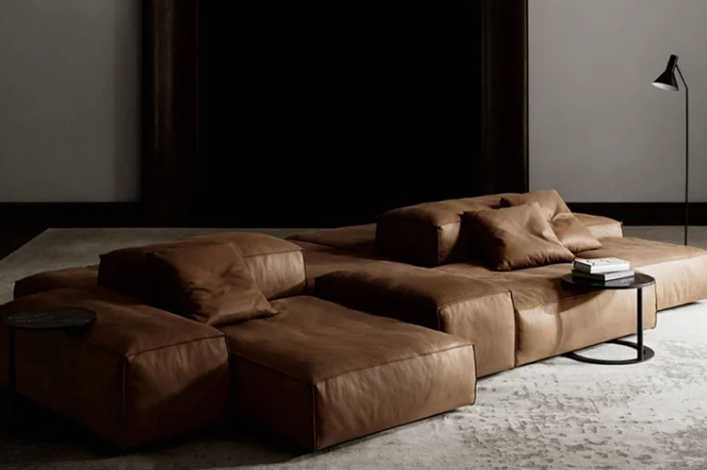
These details reveal whether a modular sofa leaves enough clearance for a dining table or if a bed allows for fluid movement on both sides. When planning for a modular system such as the Extrasoft sofa, the floor plan must account for the specific footprint of each element to ensure the arrangement doesn't overwhelm the room's volume.
Ceiling height is equally vital, particularly when considering the vertical volume and visual weight of a piece within the room’s composition.
The Logic of Clearance and Movement
Furniture dimensions describe the object, but clearance dimensions describe how the room functions. This is where many interiors lose their sense of ease. A primary circulation path requires at least 90 centimeters of clear width for two people to pass comfortably.
A secondary path between a sofa and a coffee table feels most relaxed at 50 to 60 centimeters. Understanding how to measure room for furniture means accounting for these "negative spaces" that allow the architecture to breathe and the residents to move without constraint.
The Delivery Path and the Overlooked Measurement
The route from the building entrance to the room is a dimension that frequently receives too little attention. Hallways, staircases, and landings impose their own strict constraints on what can be brought into a home.
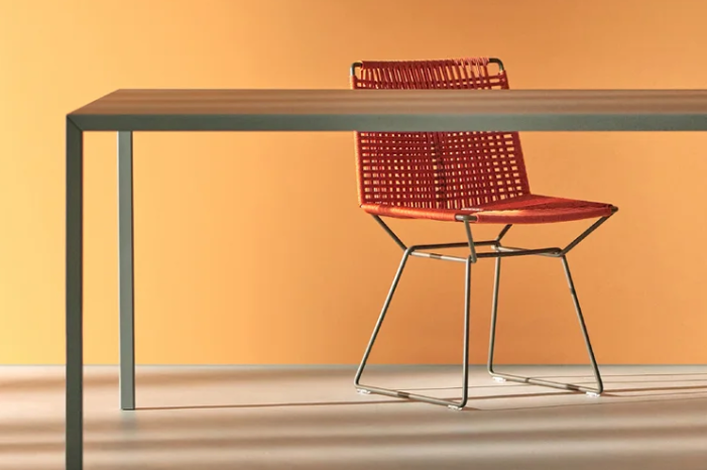
A monolithic design like the MDF Italia Tense table requires a confirmed delivery path, as its singular, unyielding form offers less flexibility in tight corridors than modular pieces.
A standard minimum of 80 to 85 centimeters of clear passage is typically required, though large-format pieces from our collections may demand more. It is essential to confirm the tightest point of the delivery path, including ceiling heights at thresholds, to ensure your selection can be successfully placed within its intended environment.
Precision in Irregular Architectural Contexts
In homes with complex geometries or historic details, standard measurements may not suffice. Using a laser distance meter provides the precision required to resolve the floor plan without the errors inherent in traditional tape measures.
Knowing how to measure room for furniture in these contexts often involves evaluating the diagonal rule, determining if tilting a piece will allow it to clear a doorway, or if placing it at a 45-degree angle will open new sightlines. These technical considerations distinguish a curated interior from one that is merely furnished.
Explore the Graye Collection
At Graye, we view every furniture selection as a component of a larger architectural vision. Accurate measurement is the foundation of that vision, preventing installation failures that no amount of design intelligence can retroactively fix.
We invite you to explore our West Hollywood showroom to discuss your floor plan and spatial requirements with our team. Our consultants can assist in confirming that your selections harmonize with your home’s specific dimensions and provide a lasting foundation for refined living.
FAQs
-
Always include the legs, as they are an integral part of the piece’s functional footprint. The height measurement should reflect the full piece as it stands, and the depth should account for any foot protrusion beyond the primary frame. This ensures that the piece sits correctly in relation to skirting boards and adjacent furnishings.
-
Measure the room at its widest point, then measure each bay or recess individually. The furniture plan should treat each zone as a separate architectural condition rather than averaging the dimensions. Irregular geometry often creates specific opportunities for custom seating or sculptural pieces that a standard rectilinear plan might miss.
-
A laser distance meter is the preferred tool for professional results. It eliminates the parallax errors common with tape measures over long distances and allows for precise single-person measurement. Combining this with a digital floor plan allows for a more fluid exploration of different furniture configurations before any commitment is made.
-
Skirting boards typically project 12 to 20 millimeters from the wall. Furniture with a flat rear panel will be pushed away from the wall unless the base is designed to accommodate this protrusion. It is important to confirm whether pieces have recessed bases or if you need to allow for a slight gap in your spatial calculations.
-
Most standard three-seat sofas require a minimum doorway width of 80 to 90 centimeters for horizontal delivery. If the opening is narrower, the piece may need to be tilted or delivered with the feet removed. Always confirm the specific delivery requirements and disassembly options with our team before finalizing a large-format order.
