
Furniture Trends 2026: The Design Directions Shaping Luxury Interiors
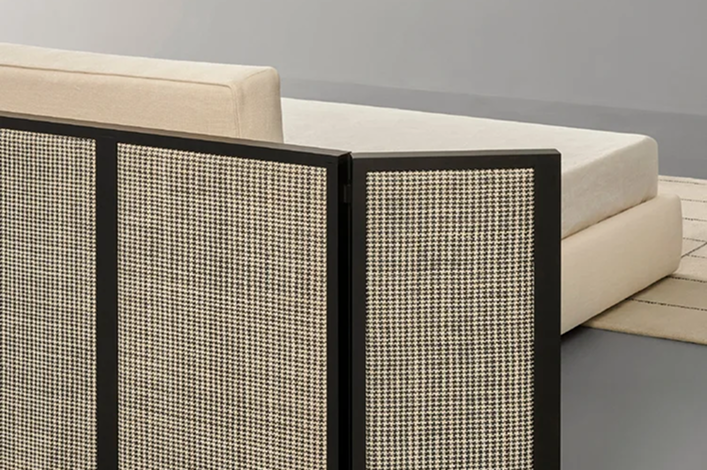
The most significant furniture trends 2026 offers are not merely visual shifts. They represent a fundamental change in how we perceive the architectural landscape of the home. Rather than chasing fleeting aesthetics, the modern interior now prioritizes structural integrity and a deeper connection between objects and the spaces they inhabit.
This movement marks a departure from decorative ornamentation toward a more disciplined, soulful modernism. At Graye, we observe these shifts through the lens of European heritage, curating pieces that reflect a rigorous commitment to quality and a clear vision for the future of living.
Why Furniture Trends Matter in Modern Design
In recent years, the logic of luxury acquisition has moved away from the isolated "statement piece" toward a more holistic view of the interior. The furniture trends 2026 are currently driving emphasize the pursuit of a fully resolved environment where every object exists in a deliberate dialogue with its surroundings.
This shift requires a design process that values spatial composition over simple transactions. When a room is approached as a singular, composed entity, the furniture becomes an active participant in the architecture, grounding the space and providing a sense of permanence that transcends seasonal fads.
Considering Scale and Formal Logic
One of the clearest formal signals in the current market is a renewed interest in pieces with a traceable design lineage. The Bauhaus-inspired Lullaby armchair by Nicola Gallizia is a testament to this direction, prioritizing a formal economy where every structural decision serves a visual purpose.
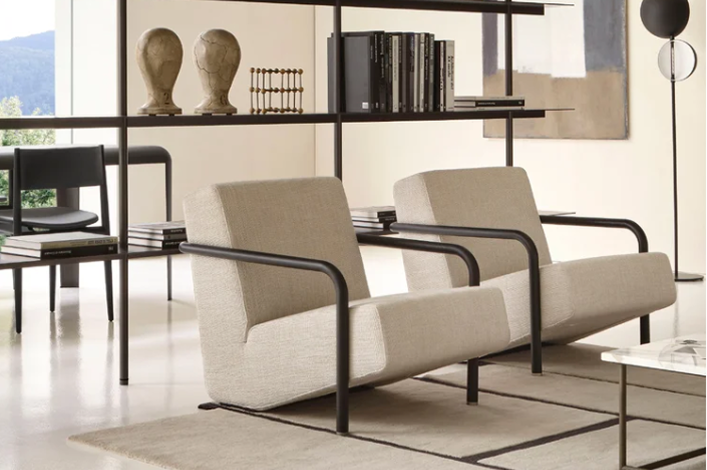
Understanding furniture trends 2026 within this context means looking for silhouettes that offer a clear, resolved logic. These pieces provide the necessary weight to anchor a room, using their proportions to define the volume of a space rather than merely occupying it. This architectural rigor ensures that the seating remains relevant as the home’s interior evolves.
The Return of Material Intelligence
The conversation surrounding high-end materials has undergone a necessary correction. We are seeing a move toward "material intelligence," where the value of a piece is found in how it performs and ages over time. This trend favors natural fibers, stone surfaces with unrepeatable veining, and leathers that develop a rich patina rather than resisting the marks of daily life.
Within the furniture trends 2026 landscape, this focus on honesty and resilience is paramount. It is an acknowledgment that true luxury is tactile and enduring, characterized by surfaces that invite contact and respond beautifully to the specific light conditions of a home.
A Curated Perspective on Durability and Time
A significant shift in seating design is the emergence of removable cover systems as a sophisticated design position. Pieces like the Frog lounge chair by Piero Lissoni demonstrate that the ability to change a textile is not a practical concession, but a way to let furniture adapt to a home’s changing material register.
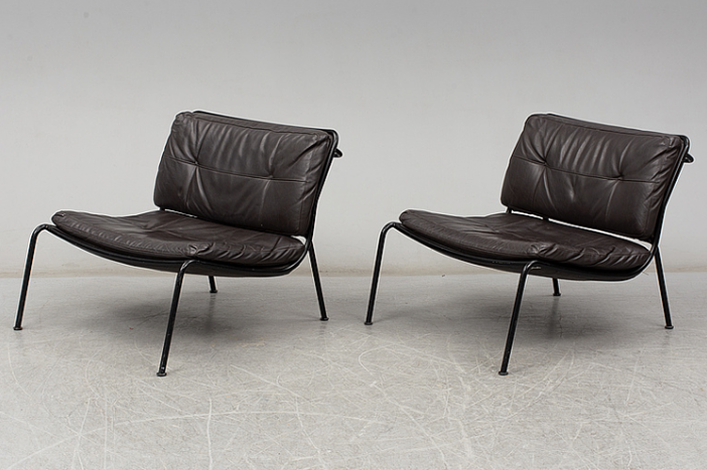
This approach acknowledges that a well-made frame is a lifelong investment. By allowing the upholstery to be refreshed or tailored to new contexts, these designs offer a level of versatility that aligns with the sustainable and thoughtful values defining the most considered interiors of the decade.
The Professional Standard in Residential Interiors
We are observing a notable crossover where the structural standards of high-end hospitality are entering the residential sphere. Among the furniture trends 2026 is highlighting, this demand for "contract-grade" durability is perhaps the most consequential for the homeowner.
Discerning clients now specify furniture that offers the same finish consistency and structural rigor required by luxury hotels. This professional discipline ensures that residential interiors can withstand the pressures of daily use while maintaining a refined, gallery-like quality. It is a commitment to excellence that ensures the home remains a sanctuary of uncompromising standards.
FAQs
-
At the luxury level, trends reflect deep shifts in design philosophy and material culture rather than surface-level aesthetics. A high-end trend usually indicates a change in how materials are specified or how furniture relates to architecture. While the mass market focuses on "colors of the year," the elite market focuses on the structural and tactile evolution of the home.
-
Material intelligence is the practice of selecting pieces based on their long-term performance and patina potential. It involves prioritizing natural fibers, solid timbers, and high-grade stones that age gracefully. For a buyer, this means looking past the initial photograph to understand the construction methods and how the materials will respond to daily contact and environmental light.
-
Yes. The current market is producing designs that balance heritage craftsmanship with modern engineering at an exceptionally high standard. As we move through 2026, the focus on "heirloom quality" is stronger than ever, with many European houses releasing pieces that are destined to become future classics of the modern era.
-
The most effective way to begin is by evaluating the room’s spatial needs rather than looking for a specific object. Identify where the architecture requires grounding or where the light could be better utilized. Once the spatial requirements are clear, you can select furniture whose materiality and scale resolve those specific gaps, creating a more harmonious and intentional environment.
-
Absolutely. A curated interior often benefits from a dialogue between different decades, provided there is a shared commitment to quality and material honesty. The key is to ensure that all pieces share a similar level of craftsmanship. When the quality is consistent, a mid-century silhouette can sit comfortably alongside a contemporary Italian form, creating a rich and layered narrative.
