
How to Style a Dresser to Complement Luxury Interiors
Discover Luxurious Dressers
A dresser occupies a curious position in the bedroom. It is practical, yet its presence can be almost architectural. Its surface catches the morning light, holds objects collected over time, and creates a visual pause between larger pieces of furniture.
Understanding how to style a dresser is therefore less about decoration and more about creating a composition in which material, proportion, and personal objects feel naturally connected.
Let the Dresser Set the Tone for the Room
The most compelling arrangements begin with the dresser itself. Its material, silhouette, and proportions establish the character of everything placed around it.
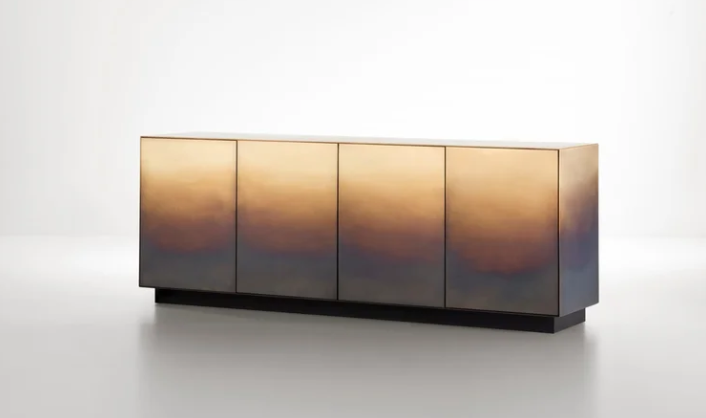
The Marea dresser by Zanellato/Bortotto brings a refined architectural presence to the bedroom. Its carefully considered proportions and sophisticated material treatment allow it to stand confidently within a luxury interior without demanding excessive decoration.
Styling should respond to that character rather than compete with it. A sculptural object, mirror, or restrained grouping can complete the arrangement.
Use the Wall Above It to Introduce Height
The horizontal line of a dresser naturally invites something vertical. When considering how to style a dresser, a mirror can answer that need while bringing another layer of light and reflection into the room.
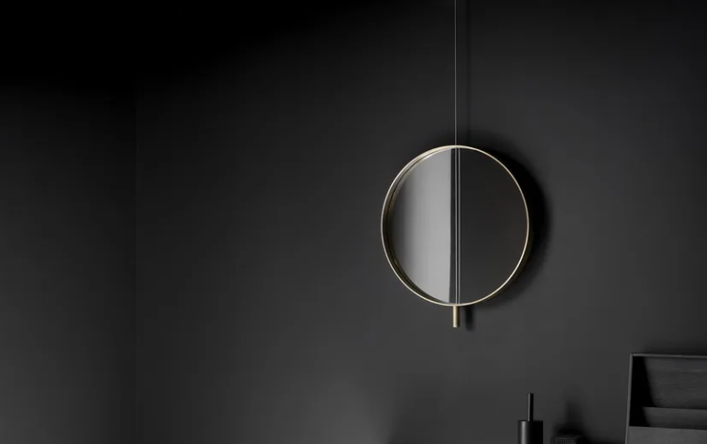
The Galileo mirror by Mario Ferrarini has a deliberately restrained geometry, with a metal structure available in dark bronze, black, or brick red. Its presence is defined as much by its frame as by its reflection, allowing it to function as a considered design object within the bedroom.
A mirror should also be chosen for what it reflects. Positioned thoughtfully, it can capture daylight, extend a sightline, or reflect another material within the room. The reflection becomes part of the composition.
Explore Graye's Mirror Collection
Build Visual Rhythm Through Height and Weight
There is a certain ease to an arrangement in which the eye moves naturally from one object to another. That movement comes from variation. A tall form adds height, while something lower brings the eye back toward the surface.
A third object can bridge the two. This is where how to style a dresser becomes a question of proportion. Successful compositions balance visual weight without relying on literal symmetry, allowing different objects to feel connected, intentional, and effortlessly refined.
Introduce an Objet That Rewards a Closer Look
A bedroom offers an intimate setting for objects with a strong sense of materiality. Unlike a large living space, it allows smaller works to be experienced at close range.

The Luna by Enzo Catellani is a sculptural candle holder with a rough iron magnetic base and a disc covered in gold, copper, or silver leaf. On a dresser, its presence is subtle but distinctive. The contrast between textured iron and reflective metal leaf introduces material interest without overwhelming the surrounding palette.
This is the role of an exceptional object in an interior. It does not need to explain itself. Its material, craftsmanship, or unusual form gives the room something to discover.
Curate Your Space With Our Objet Collection
Bring Texture Down to the Floor
The composition does not end at the dresser's surface. The floor establishes another plane, and a rug can create a connection between the furniture and the architecture beneath it.
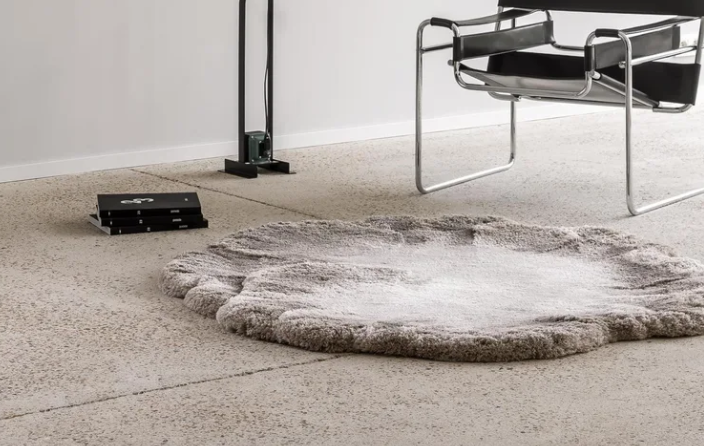
The MSHWY01 rug by JOV x Mary Lennox is made from New Zealand wool and glossy Tencel Lyocell, with three-dimensional piles that create a tactile surface. Its texture brings softness beneath furniture with harder finishes, while its customizable shape and color allow it to respond to the proportions of the room.
Texture is particularly important in a bedroom. A polished surface can be balanced by something tactile. A reflective finish can be softened by wool. These contrasts prevent the room from becoming visually flat.
Allow Everyday Rituals to Become Part of the Styling
The most beautiful bedroom arrangements still have to accommodate real life. When considering how to style a dresser, jewelry, fragrance, watches, books, and other personal objects naturally find their way onto a dresser.
Instead of hiding every trace of daily ritual, give these objects a deliberate place. A refined tray can gather smaller pieces without making the surface feel utilitarian. A favorite book can introduce a horizontal layer. A single personal object can bring meaning that no decorative accessory can replicate.
The distinction is between evidence of living and visual disorder.
Let Material Carry More of the Decoration
Color does not have to provide all the visual interest. Often, the richer story comes from material.
Metal catches light differently from glass. Stone has a weight that ceramics do not. Timber introduces warmth through grain and variation. A textured rug changes the character of the floor beneath the furniture.
When these materials are allowed to relate without being overly coordinated, the bedroom gains depth. Graye's Anatomy of a Curated Space explores this broader philosophy, where furniture and objects are selected for their relationship to the surrounding architecture rather than considered in isolation.
Know When the Composition Has Enough
The final gesture is subtraction. Remove one object. Step back. Look again. If the dresser feels more resolved without it, leave it away.
This restraint is central to how to style a dresser with a sense of luxury. Luxury is not necessarily expressed through abundance. It can be found in the confidence to leave a beautiful surface partially untouched, allowing craftsmanship, material, and space to hold their own.
FAQs
-
Absolutely. An asymmetrical arrangement can feel more natural and sophisticated when the visual weight is carefully balanced across the surface.
-
Material quality and restraint usually have more impact than the number of objects. Fine finishes, considered proportions, and a small number of distinctive pieces create a more refined impression.
-
They can, but they do not need to match. A shared material, tone, or shape can create a subtle relationship without making the arrangement feel overly coordinated.
-
Yes. The rug establishes a visual foundation beneath the furniture and can introduce softness, texture, or contrast that changes how the dresser's material is perceived.