
What Is Leather Furniture? Exploring the Beauty of Premium Patina
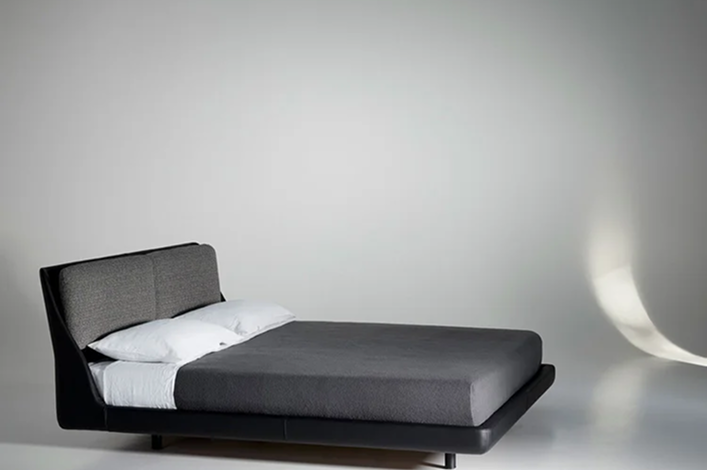
When people ask, “What is leather furniture?” the answer extends far beyond upholstery. Leather furniture represents a category of design where material quality, craftsmanship, and longevity come together to create pieces that become more compelling with time.
Learning about leather furniture requires a shift in how we perceive the aging of an interior. While fabric upholstery often shows its age through degradation, fading, pilling, or the compression of fibers, leather evolves through the development of a patina. This softening of surface tension and deepening of tone is not a sign of decline, but a record of character.
A premium leather piece improves with use, acquiring value and a tactile soul over time. It is perhaps the only upholstery material where the trace of the maker and the history of the household are so clearly preserved.
The Distinction Between Grades and Integrity
To understand what is leather furniture in a premium context, one must distinguish between the surface that is processed and the one that is preserved. Full-grain leather maintains the natural history of the hide, its unique texture, muscle tension, and subtle marks. In contrast, corrected-grain leather is sanded into a forced uniformity, losing the organic depth that allows the material to breathe and move.
When we consider what leather furniture is meant for a lifelong interior, the answer always lies in the irregularity of the grain, which signals an honest material that has not been manipulated into artificial consistency.
Structural Honesty of Sling and Upholstered Forms
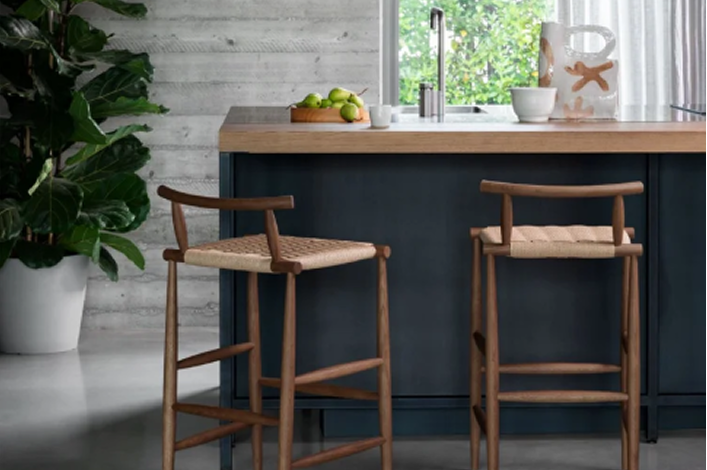
Structurally, leather can be approached as a covering for a cushioned substrate or as the frame itself. In a sling construction, such as the Pelleossa stool by Francesco Faccin, the leather is stretched between structural members to provide both the seat and the suspension.
Over years of use, the leather conforms to the body, recording the history of its occupation. This structural honesty defines what leather furniture is at its most functional, where the material is asked to carry the full weight of the design without the support of internal padding, allowing the silhouette to remain remarkably light.
Materiality and the Behavior of Light
The relationship between leather and light is perhaps its most architectural property. A leather sofa in a room with generous windows receives sunlight that reveals every nuance of its surface.
Under these conditions, processed materials often look flat and lifeless. However, full-grain leather possesses a surface depth that catches and releases light as the sun moves across the room throughout the day.
This is why what is leather furniture selected for high-end projects often involves natural finishes; the material must have enough inherent character to hold light rather than simply reflecting it back into the space.
Precision in Thin-Profile Design
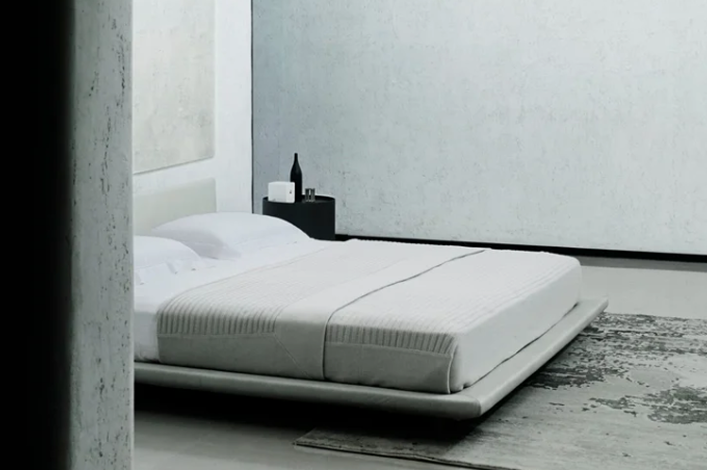
Thin-profile applications, such as the Chemise bed by Piero Lissoni, expose the material in its most vulnerable state. When a frame is this slender, the quality of the hide and the precision of the stitching become the primary focus of the piece.
Every seam placement must follow the formal logic of the silhouette, requiring a high degree of artisanal skill. This exposure reveals the reality of what leather furniture is when executed by masters; it is a surface that asks to be touched and inhabited, a material that acquires value through the softening of its fibers and the deepening of its natural tone.
So, What Is Leather Furniture?
It is furniture defined by material authenticity, skilled craftsmanship, and lasting performance.
The finest leather pieces offer more than immediate visual appeal. They introduce character, comfort, and longevity that continue to enrich a home year after year. From the quality of the hide to the precision of the stitching, every detail contributes to an experience that becomes more rewarding over time.
At Graye, our collection brings together internationally recognized designers and exceptional materials, allowing clients to discover leather furniture that is as enduring as it is beautiful.
FAQs
-
In many cases, premium leather requires less maintenance than fabric alternatives. Because it does not trap dust or absorb odors, the material remains clean with very little effort. A light conditioning every few months is usually sufficient to prevent the hide from drying out. Over a decade of use, the durability of leather often surpasses that of fabric, as it is naturally resilient to the friction and wear of daily life.
-
While leather is a durable material, prolonged exposure to direct sunlight can cause the hide to dry or the color to fade over several years. In sun-drenched environments, it is beneficial to use leather with natural oils that migrate to the surface, and to condition the piece occasionally. Selecting a hide with a natural finish allows the material to age with the room’s light, developing a patina that reflects the specific environment of the home.
-
Minor scratches in full-grain leather often resolve themselves naturally, as the oils within the hide move toward the affected area over time. More significant scuffs can be treated with specialized conditioning creams that nourish the fibers. Unlike processed materials that show damage permanently, the organic nature of premium leather allows most surface marks to blend into the overall patina, contributing to the piece's history and character.
-
The quality of a leather piece is often revealed at its seams. You should look for even, disciplined stitching that follows the architectural lines of the furniture. In high-end manufacturing, seams are placed with the intention of supporting the structure and the silhouette. Any puckering or loose threads are signs of a compromised process, whereas precise, hand-finished seams indicate a piece built to withstand the physical demands of long-term use.
-
Eco-leather is a functional alternative for those who prefer not to use animal products, but it performs quite differently over time. It does not possess the same breathability or the ability to develop a natural patina. While it offers immediate consistency, it will not soften or acquire the same tactile depth as full-grain leather. Choosing between the two is a matter of personal values and how you wish the material to age within your home.
