
Contemporary Interior Design Trends for Modern Luxury Homes
Contemporary interior design is defined by a specific set of priorities: resolution over decoration, material integrity over finish, and spatial clarity over accumulation. Homes that embody these principles do not feel stripped or cold. They feel considered, and that quality is felt immediately upon entering a room.
Understanding how modern interior design applies in practice, room by room and piece by piece, is the foundation for building an interior that ages well and rewards sustained attention.
VIEW GRAYE’S DESIGNER FURNITURE COLLECTION
Material Selection as the Starting Point for Every Room
Before any piece of furniture is chosen, the material palette of a room determines how every subsequent decision will read. In contemporary interior design, materials are not decorative additions. They are the form.
The grain direction of a timber top, the oxidation pattern on a metal frame, and the density of a woven fabric: each carries its own visual and tactile argument, and the pieces that make the strongest rooms are those where the material and the form are inseparable.
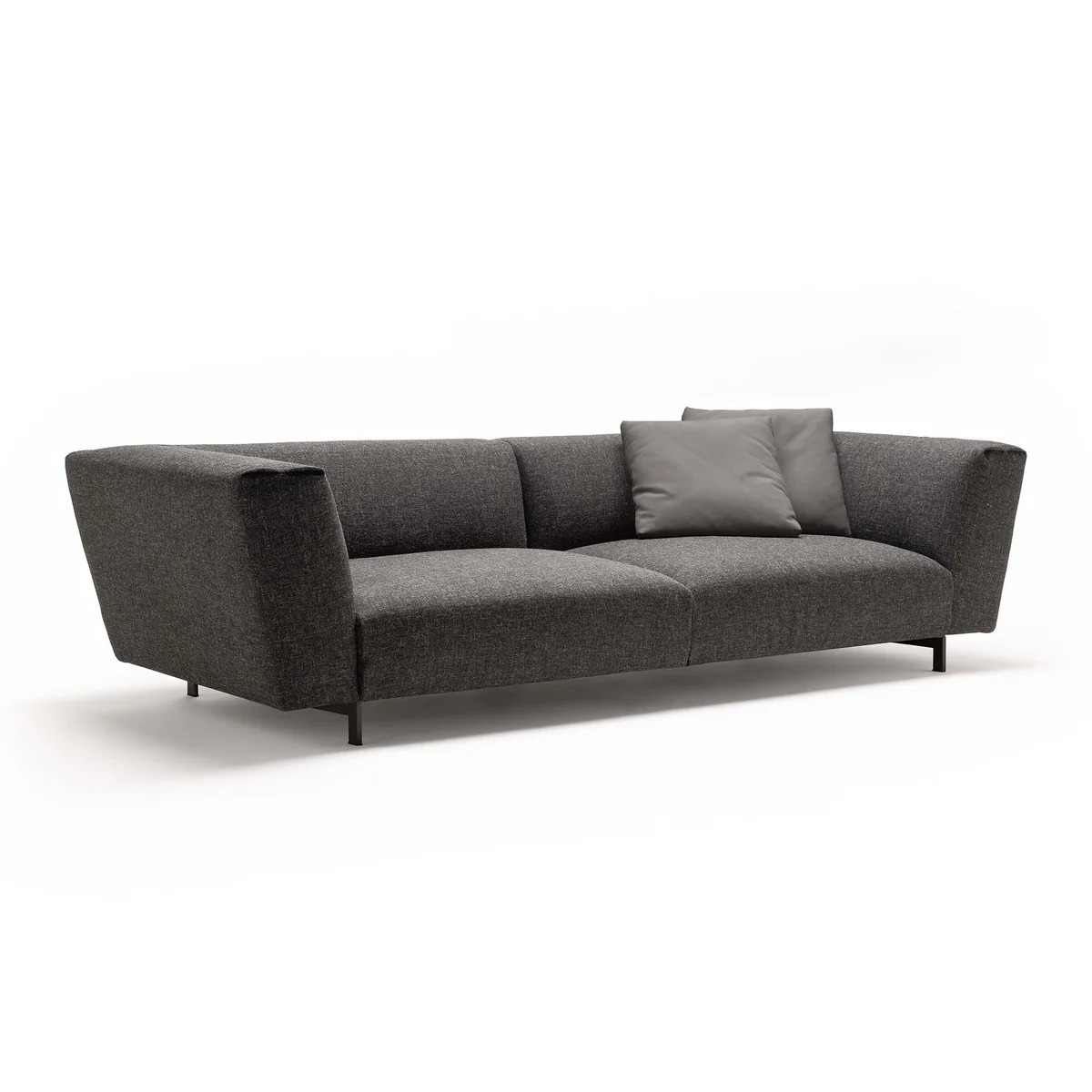
The NEERA SOFA, designed by PIERO LISSONI, demonstrates this through a linear modular steel frame, upholstered plywood structure, and fully removable fabric or leather covers. The steel frame is not hidden; its presence establishes the sofa's structural logic and gives the piece a precision that distinguishes it from softer designs.
How the Living Room Establishes the Interior's Tone
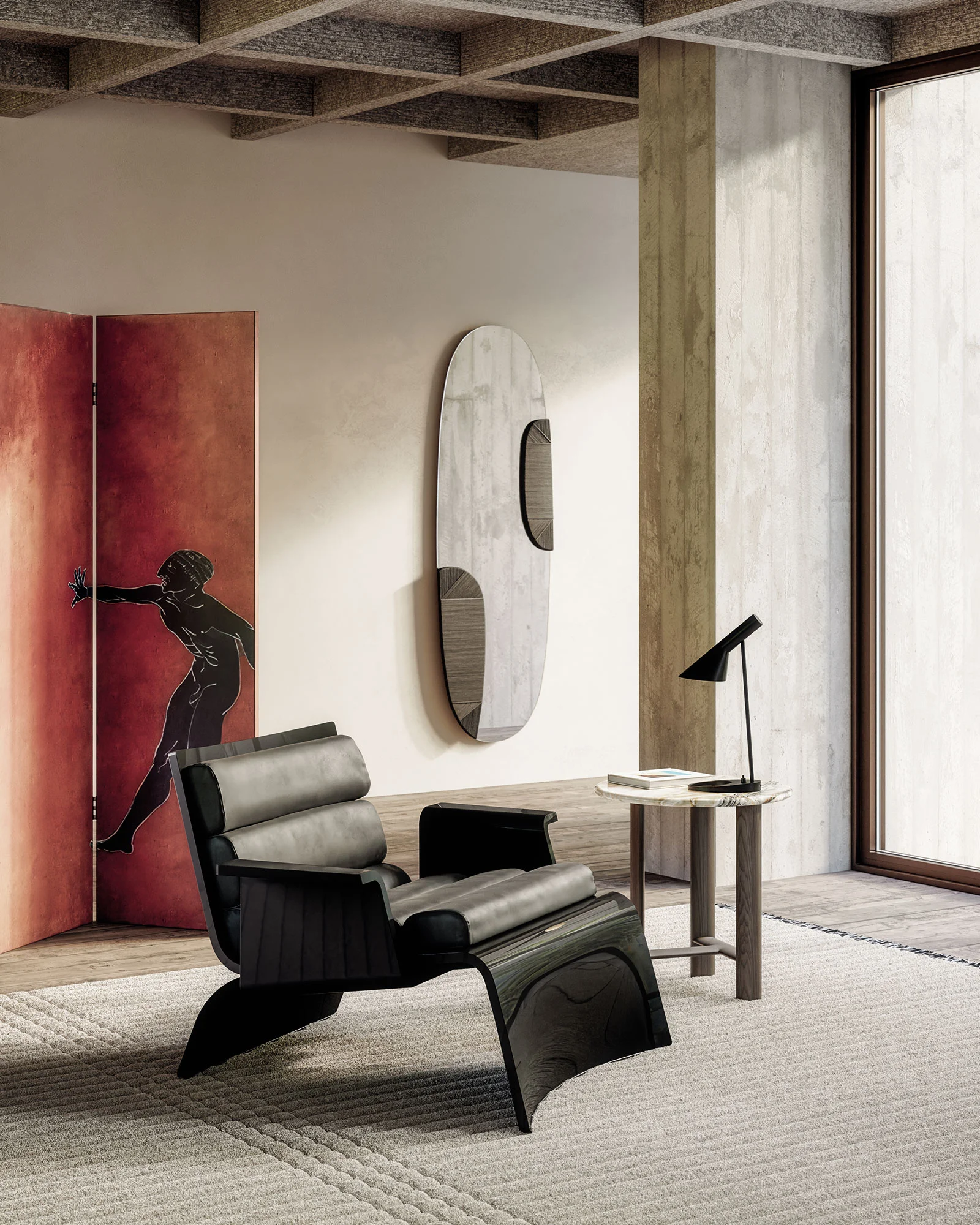
The living room is where a home's design intentions are most publicly declared. The LINDA LOUNGE CHAIR BY FRIGERIO HAS generous proportions with refined detailing, combining a sculptural silhouette with soft upholstery that invites conversation and relaxation. Its balanced form introduces visual interest while maintaining the calm, understated character of a thoughtfully designed living space.
Positioned at an angle to the sofa rather than parallel to it, as discussed in our guide to modern chairs for the living room , it opens the sightline through the room and adds spatial dynamism to the composition.
TRANSFORM YOUR HOME WITH GRAYE’S FURNITURE
The Dining Room in a Considered Contemporary Home
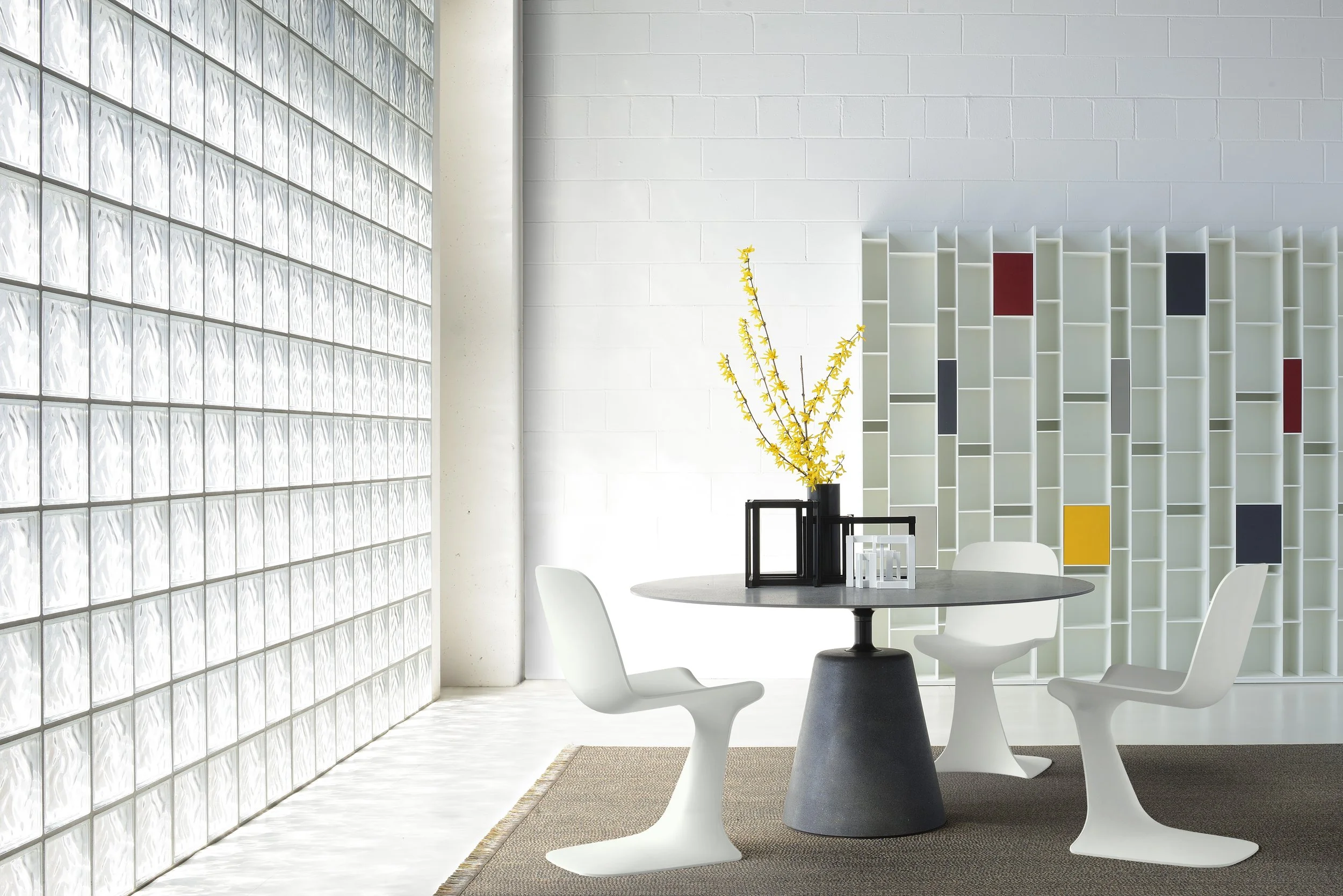
The DINING TABLE is the most socially loaded piece of furniture in a home. In a contemporary interior, its material and formal character shape every gathering that occurs around it. The ROCK DINING TABLE, designed by JEAN MARIE MASSAUD, has a fluid round top that appears to float above a solid inorganic base available in various finishes, resolving the contradiction between substantial structure and visual lightness.
As explored in our blog on marble coffee table ideas for elegant living rooms, the choice of table surface determines how a room reads across different light conditions. A surface encountered at close range must hold its quality under both natural and artificial light.
Seating That Reflects the Interior's Material Discipline
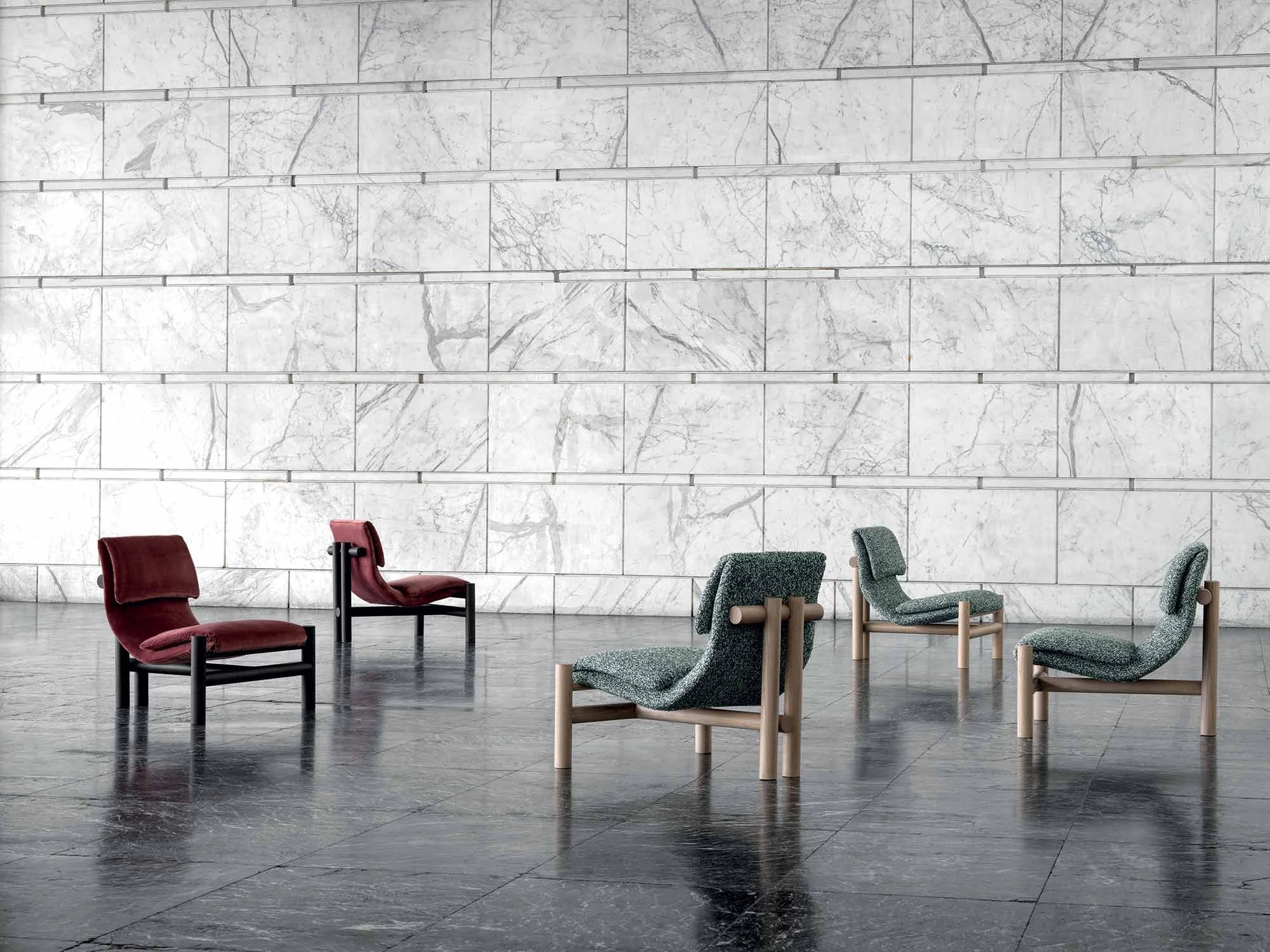
The ADA LOUNGE CHAIR, designed by Ferruccio Laviani, offers a solid natural or stained ash structure with a leather or fabric upholstered seat. Its material combination of timber and upholstery introduces warmth to the dining zone without adding visual complexity, which is the discipline that contemporary interior design demands of every seating piece selected around a formal table.
Restraint as the Defining Principle of Modern Luxury Interiors
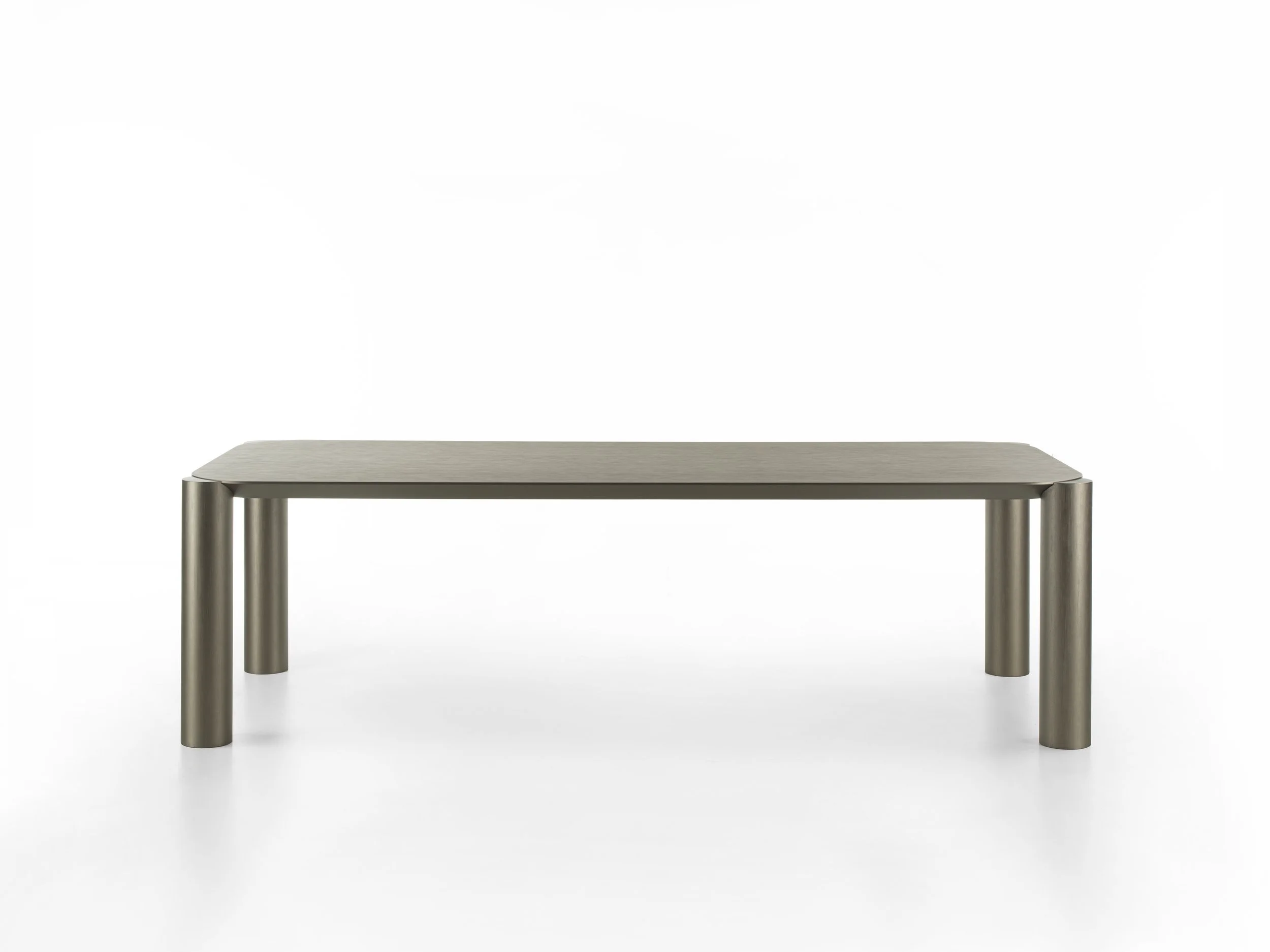
Modern interior design at the luxury level does not accumulate. It selects. Each piece must contribute to the room's spatial and material argument. The CYCLOP DINING TABLE embodies this philosophy through its bold sculptural base and clean, balanced proportions.
Available with a range of top finishes, it establishes a strong architectural presence while allowing the surrounding materials and furnishings to remain in harmony. The result is a dining table that commands attention through form rather than excess.
Discover a Curated Approach to Contemporary Interior Design at Graye
The contemporary interior design principles that produce the most enduring results are consistent across every room: material integrity, formal resolution, and a relationship between pieces that has been considered rather than assumed.
At Graye, our collection brings together European designers whose work embodies these principles at the highest level of craft. Contact our design specialists to explore furniture, lighting, and textiles for your home.
CREATE A REFINED INTERIOR WITH GRAYE TODAY
FAQs
-
Warmth comes from material choice rather than decorative objects. Timber with visible grain, leather that develops a patina, stone with natural variation, and hand-woven textiles introduce warmth at the material level without adding visual complexity or competing with the room's spatial clarity.
-
Yes. The contrast between period architectural features and contemporary furniture often produces the most spatially interesting results. The key is to treat the architecture as the room's fixed material context and select furniture that responds with clarity rather than imitation.
-
Each piece should contribute to the room's spatial and material composition. In most living rooms, this means a primary sofa, one or two lounge chairs, a coffee table, and a rug. Adding further pieces requires genuine functional justification rather than a desire to fill the room.
-
A rug defines the zone of a seating arrangement, introduces material texture at floor level, and reduces sound reflection. It should be large enough to anchor all primary seating within its field, which in most living rooms means a minimum dimension of 240 by 300 centimeters.