
How to Decorate a Living Room Like an Interior Designer
Knowing how to decorate a living room comes down to sequence as much as taste. Designers rarely start with accessories. They start with the anchor piece, build outward in layers, and only then let the smaller objects find their place.
The difference between a room that feels styled and one that feels merely furnished usually comes down to restraint. A designer's eye edits as much as it adds, choosing fewer pieces of greater weight over a room crowded with good intentions.
Anyone learning to furnish a living room for the first time benefits from thinking in this order, rather than shopping room by room without a plan.
FIND PREMIUM FURNITURE PIECES AT GRAYE
Starting With the Right Sofa as Your Anchor
Every strong living room begins with seating chosen for scale and material honesty, not simply for what fits through the door. The sofa sets the proportions that every other piece in the room will answer to, which is why it deserves the most deliberation of anything you buy.
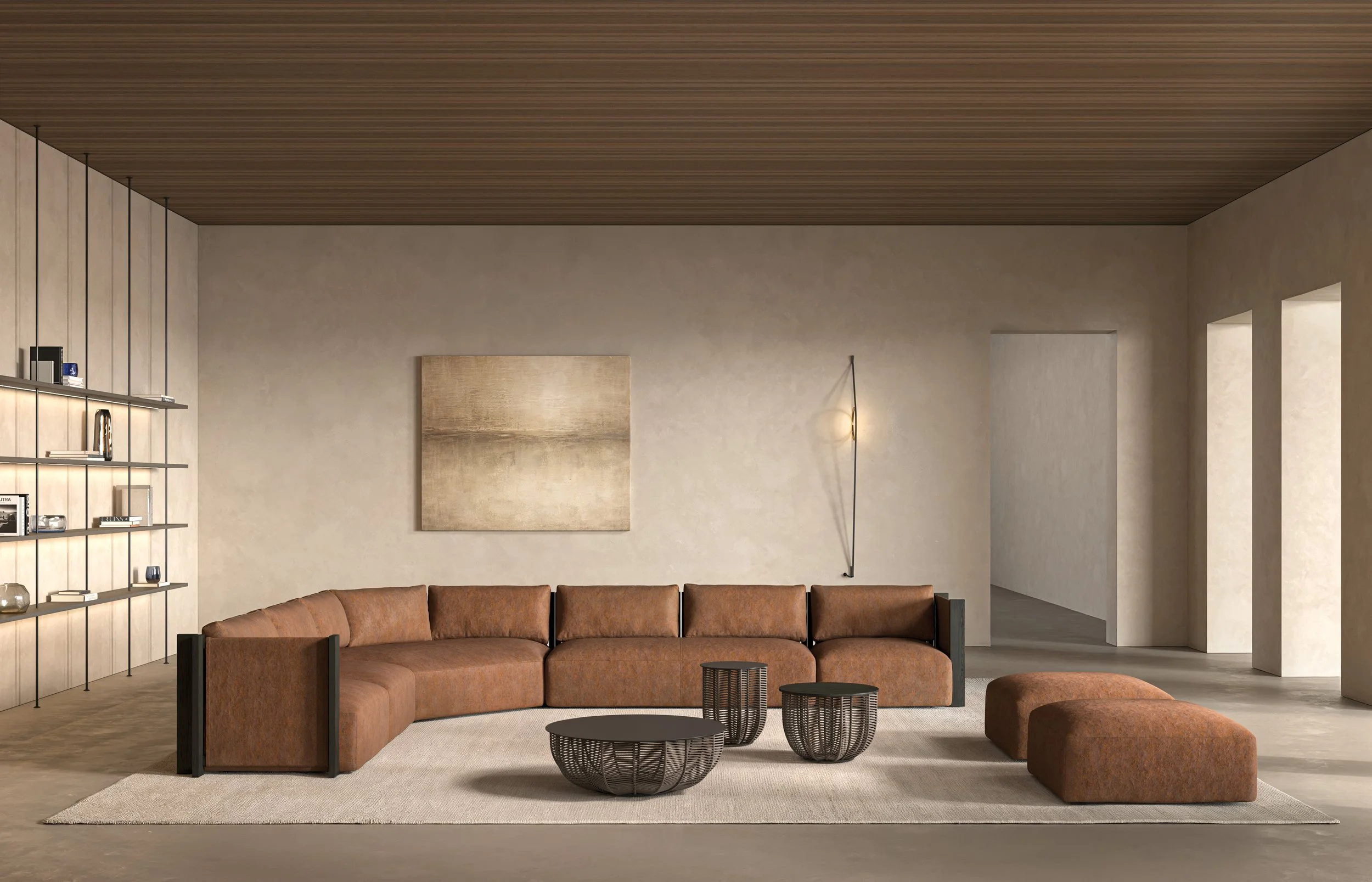
The ARKADIUS SOFAby Norm Architects pairs structured vertical slats with soft upholstered cushions, giving a modular system the presence of a single, considered object. Its architectural backrest reads as furniture and framework at once.
BROWSE DESIGN SOFAS FOR YOUR LIVING ROOM
Building Living Room Decorating Ideas Around a Central Table
A COFFEE TABLE does more work than its size suggests. Positioned at the center of a seating arrangement, it becomes the resting point for the eye and the hand alike, and it deserves the same scrutiny given to the sofa itself when you plan how to decorate a living room from the ground up.
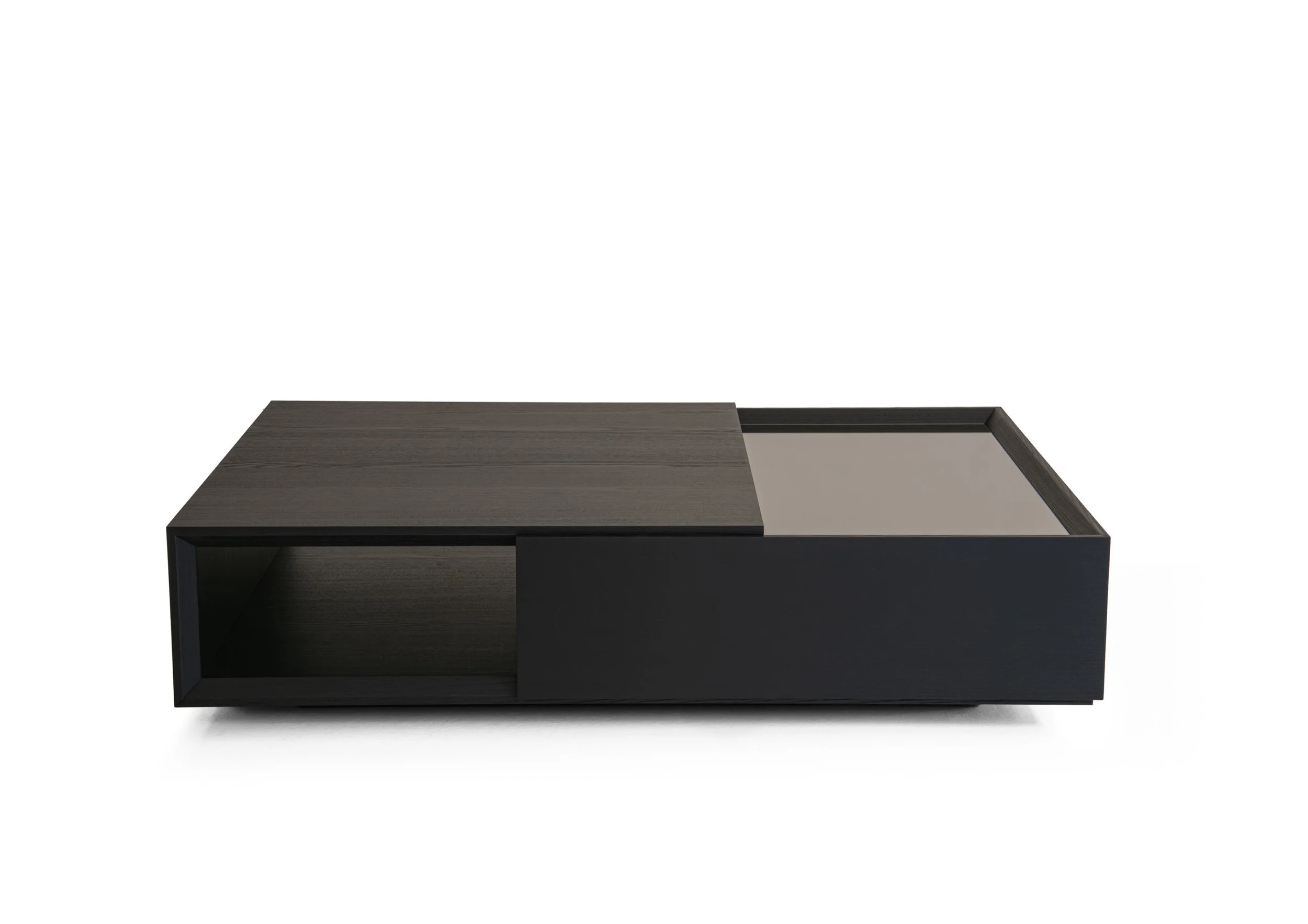
The TWIN LOW TABLE by PORRO combines bruno-stained ash wood with a recessed travertine or mirrored top, its chamfered edges giving the piece an origami-like lightness despite its solid volume.
Layering a Luxury Living Room With Texture Underfoot
A luxury living room is rarely built from a single material or finish. Texture, introduced through a rug, does more to soften a room than any additional piece of furniture could, and it often becomes the element that ties every other choice together.
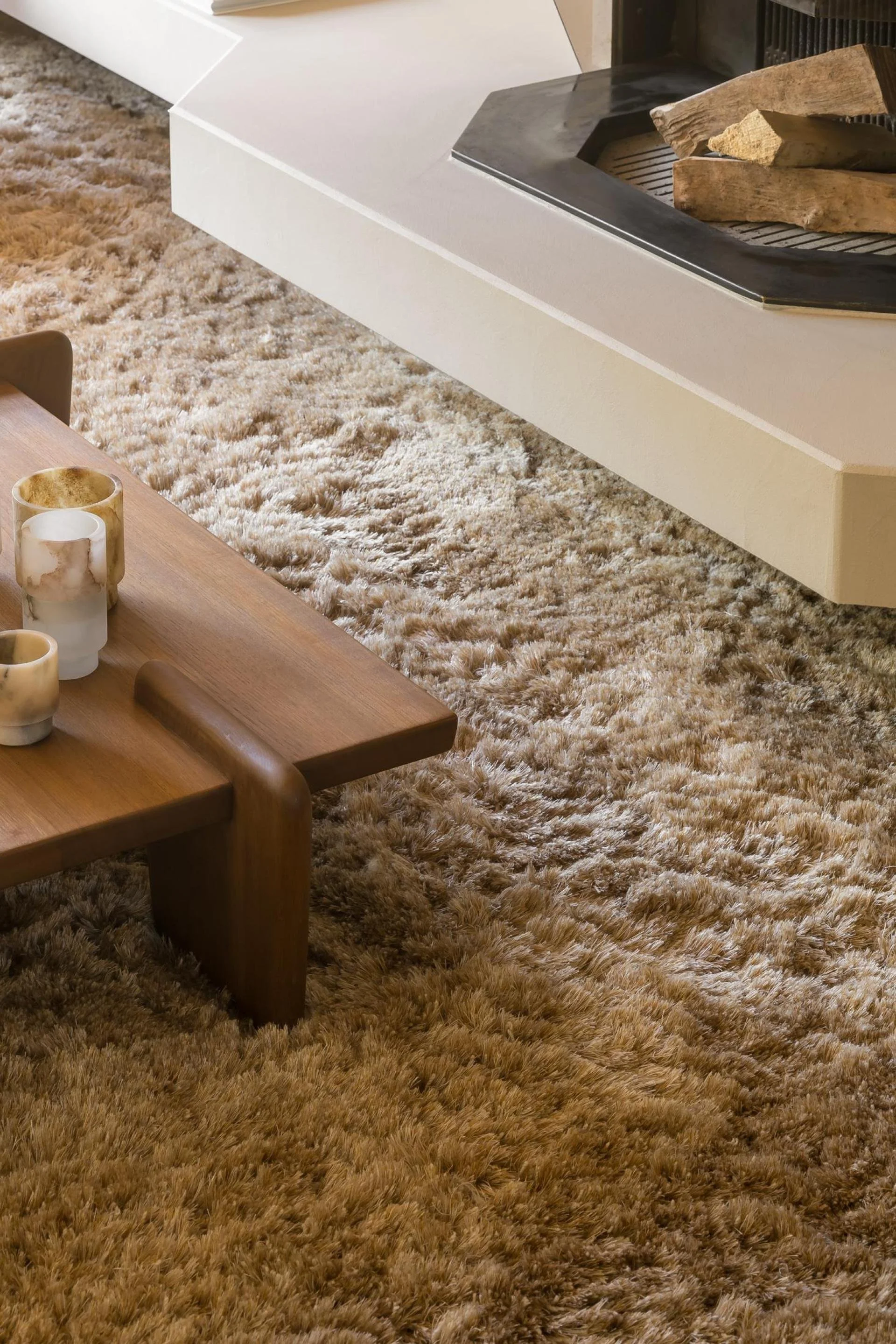
The KOKO RUG by JOV mixes ultra-thin mohair with thick New Zealand wool for a retro, shaggy texture that grounds a seating arrangement instantly. Our earlier piece on rugs for living room spaces goes further into how scale and pile height affect a room's proportions.
Refining Modern Living Room Decor With Considered Storage
Modern living room decor benefits from a piece that holds its own without a shred of ornamentation. When considering how to decorate a living room, a console or floating storage element gives the room a place to rest objects without ever feeling like an afterthought, particularly along a wall that would otherwise sit empty.
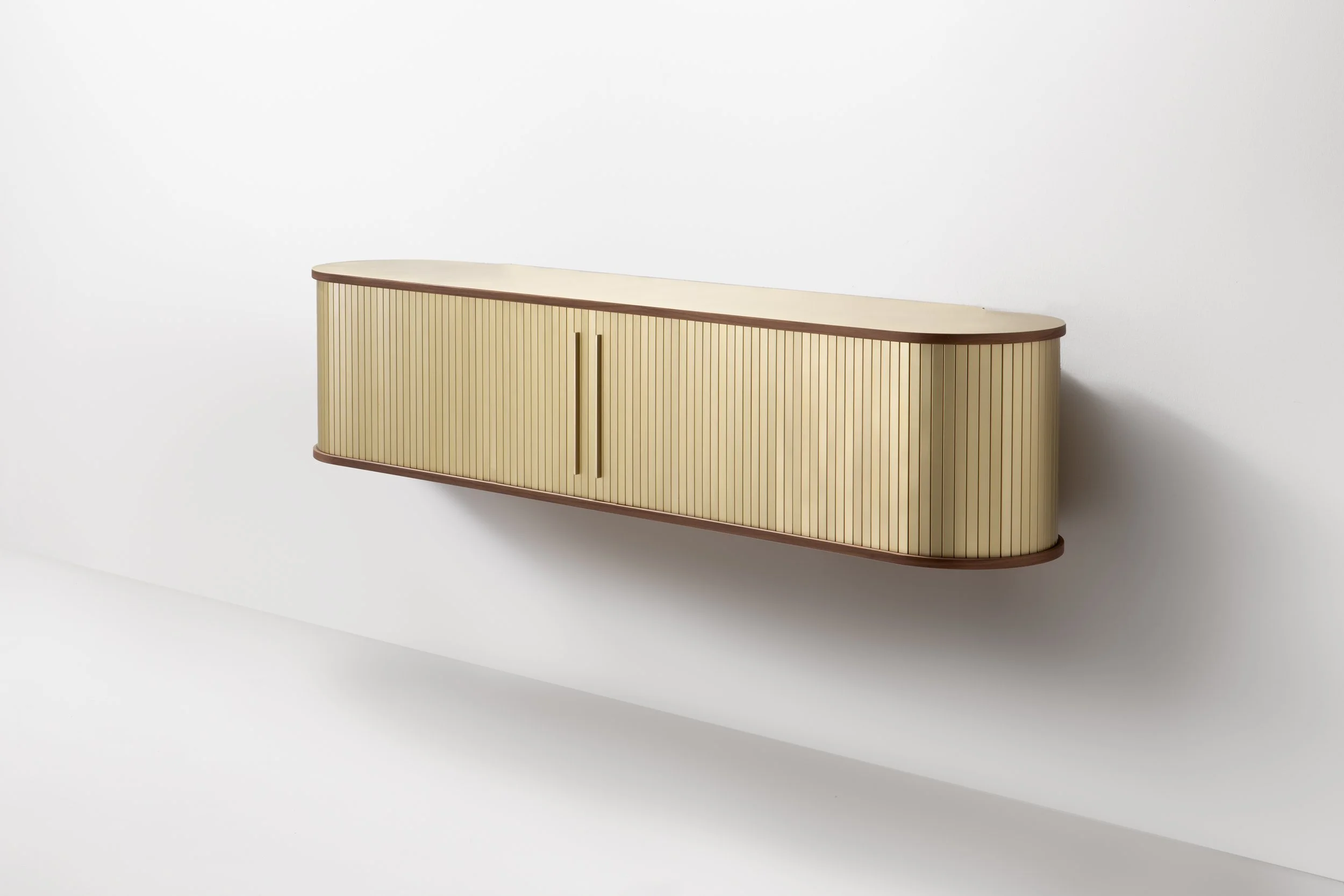
The SARACENA CONSOLE by DE CASTELLI is a wall-mounted floating piece with sliding metal fronts that catch light differently as you move past it, revealing a burgundy interior shelf behind a slender, sculptural frame.
For more insight into balancing furniture, scale, and spatial flow, explore our guide to small living room layouts optimized for style and sophistication.
Applying Interior Design Tips to Your Own Space
The most useful interior design tips are less about trends and more about sequence. Understanding how to decorate a living room begins with the right order of decisions: start with the anchor piece, add the table that supports it, ground the arrangement with a RUG, and finish with one or two objects of real character rather than a scattering of smaller ones.
Restraint matters as much as selection. A room with four considered pieces will always outperform one filled with a dozen uncertain ones, and it tends to age far better as tastes shift over time.
Explore Living Room Furniture at Graye
At Graye, we approach every living room as a composition rather than a checklist, resolved piece by piece with the same rigor given to any other room in the house. Our collection gathers furniture defined by honest materials, lasting form, and a point of view that carries across every category.
We would love you to visit our West Hollywood showroom to see these pieces in person and to consult with our design team on scale, layout, and finish for your space.
CONSULT WITH GRAYE’S DESIGN TEAM
Learning how to decorate a living room is ultimately a matter of sequence, restraint, and material honesty applied in the right order. When the anchor, the table, the texture, and the finishing pieces all answer to one another, the room reads as designed rather than assembled.
FAQs
-
A well-proportioned living room typically works with five to seven core pieces, including seating, a coffee table, a rug, one storage element, and a layered lighting plan. Adding beyond this tends to crowd the room rather than enrich it.
-
Arranging seating to face one another, rather than a screen, tends to produce a more sociable and designed feeling in the room. A swiveling piece or flexible layout can accommodate both without committing fully to either.
-
A coffee table is generally most comfortable when its height sits close to that of the sofa cushion, typically within two inches. A table set too low can feel disconnected from the seating around it.
-
Layering different textures, such as a nubby rug, a smooth stone table, and a woven throw, adds depth to a neutral palette without introducing additional color. Varying material finish does more for the room than adding pattern alone.
-
Curating pieces individually, chosen for how they relate to one another rather than because they belong to a single collection, usually produces a more considered room. A matched set can feel showroom-ready rather than personal.