
Rugs for Living Room Spaces: The Foundation of a Well-Composed Interior
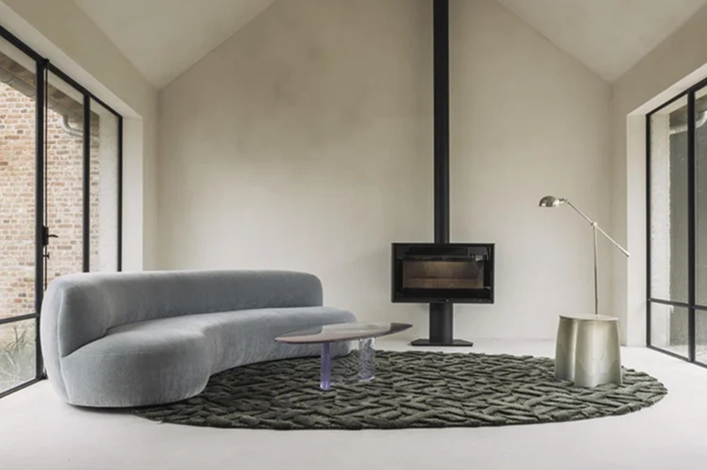
In a resolved interior, the floor functions as a structural anchor rather than a secondary surface. Choosing rugs for living room spaces is an architectural decision that establishes the visual perimeter of a seating group and defines the character of the entire space.
When this element is addressed with intention, it provides a sense of clarity and permanence. It unifies a collection of disparate pieces, a modular sofa, a stone coffee table, and a sculptural lounge chair into a single environment that feels settled and balanced within the home’s architecture.
The Rug as an Architectural Element
The relationship between a rug and the room’s scale is a critical choice that is often misunderstood. A piece that is too small fragments the floor plan, making a generous interior appear constricted and unresolved.
To achieve a truly composed environment, the best rugs for living room arrangements should act as a room within a room. Placing the entire seating composition, every leg of the sofa, and each lounge chair within the rug’s boundary creates a clear spatial logic. This creates a sense of gravity, ensuring the furniture feels deeply anchored to the architecture rather than merely resting upon it.
Considering Scale and Furniture Placement
For residences defined by fluid transitions, the floor plane is the primary tool for creating separation. Rather than using physical barriers, establishing distinct zones with high-quality rugs for the living room and dining quarters ensures each area retains its intimacy. This visual rhythm guides movement through the house, allowing the architecture to breathe while maintaining the functional clarity of each zone.
The gap between these rugs serves as a defined circulation path, reinforcing the separation of activities without compromising the expansive feeling of the continuous floor. This sense of order distinguishes a designed interior from a merely furnished one.
A Curated Perspective on Contemporary Rug Design
The fiber specification of a rug influences the atmosphere of a room as much as the furniture itself. High-end materials like silk and silk blends possess a natural luminosity that catches light differently across the day.
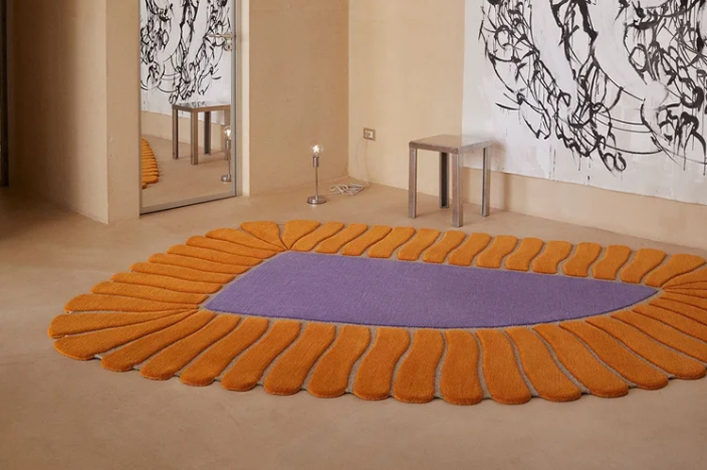
When you know how these fibers behave, you can curate rugs for living room areas that receive heavy natural light. The M’Ama Non M'Ama rug collection byPatricia Urquiola reflects this material intelligence, using texture to interact with the shifting environment.
It’s a piece that reads differently under the raking afternoon light of a west-facing room than under the diffused quality of a north-facing one. Understanding that behavior is part of what separates a designed interior from a decorated one.
When Pattern Carries the Room
Not every room calls for restraint on the floor. In a living space furnished in tonal neutrals, where walls and furniture share a narrow material register, the rug can carry the room's entire visual complexity without disrupting its composure. Selecting the right rugs for living room spaces of this kind requires understanding how much graphic intensity a tonally restrained interior can hold.
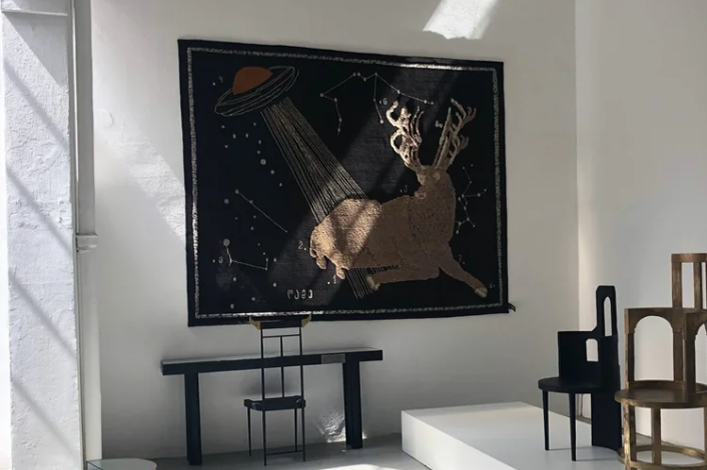
The Night of a Hunter rug by Rooms Studio draws from the tradition of Georgian hand-made rugs woven in the villages of the Caucasus Mountains. It offers a graphic intricacy that gives the floor the necessary weight in a tonally restrained space.
The rug has a visual language that is dense, layered, and rooted in a specific material history. In a room where furniture deliberately withholds visual presence, a rug of this depth gives the floor plane the gravity that the furnishings decline to provide.
Custom Rugs for Distinctive Interiors
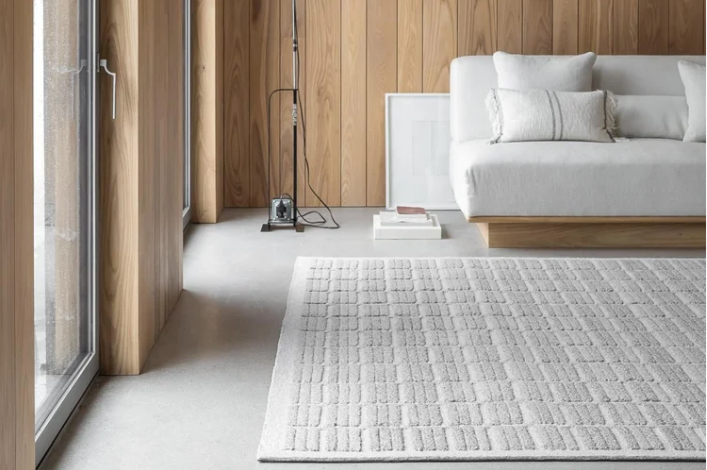
A rug can function as a spatial diagram, a tool for organization rather than decoration. The John Pawson / Row rug by JOV, crafted from luxurious alpaca, provides a disciplined surface that allows sculptural furniture forms to remain the primary focus.
Many of our leading brands offer full customization regarding size, shape, and fiber composition. This flexibility allows us to resolve the floor plane in rooms with unconventional angles or expansive dimensions that standard sizes cannot accommodate.
Selecting the right rugs for living room settings of this kind requires an understanding of how to harmonize the floor with the home's unique architectural language.
Explore Designer Rugs at Graye
At Graye, we see the rug as a fundamental component of the design brief, a piece that must be as considered as the lighting or the joinery. Our collection brings together some of the most respected names in international rug design, defined by material honesty and formal clarity.
We invite you to explore our West Hollywood showroom to experience the tactile richness of these pieces firsthand. Consult with our team to evaluate custom fiber blends and finishes that align with your aesthetic requirements and provide a lasting foundation for refined living.
FAQs
-
A thoughtful contrast between the rug and the floor material often produces a more resolved result. A dark stone or timber floor creates a sophisticated frame for a lighter, textured rug, allowing both surfaces to be clearly understood. The goal is to establish a clear distinction between the permanent architecture of the house and the tactile layers of the interior.
-
The choice of pile height depends on the weight and type of furniture being used. While high-pile rugs offer incredible tactile warmth, they can be less stable for heavy coffee tables or chairs with slender legs. A low-to-medium pile height generally offers a more architectural look and provides a firmer foundation for furniture placement without sacrificing comfort.
-
Yes. Many of our leading brands, such as JOV, offer full customization regarding size, shape, and fiber composition. This allows us to resolve the floor plane in rooms with expansive dimensions or architectural nuances that standard sizes cannot accommodate.
-
When a room already contains strong textures, such as a marble fireplace or plastered walls, a tonal or solid rug often provides a necessary visual "rest." This allows the existing architectural textures to remain the focus while the rug provides a consistent and quiet ground plane.
-
Wool is a resilient, matte fiber that excels in high-traffic areas and offers a very consistent appearance. Silk-blends introduce a subtle sheen and a softness that is unmatched, but they are more sensitive to light and movement. Silk is often preferred for more formal or private areas where its unique luminosity can be fully appreciated.
