
Curating Dining Seating: How Chairs Define the Experience of the Dining Space
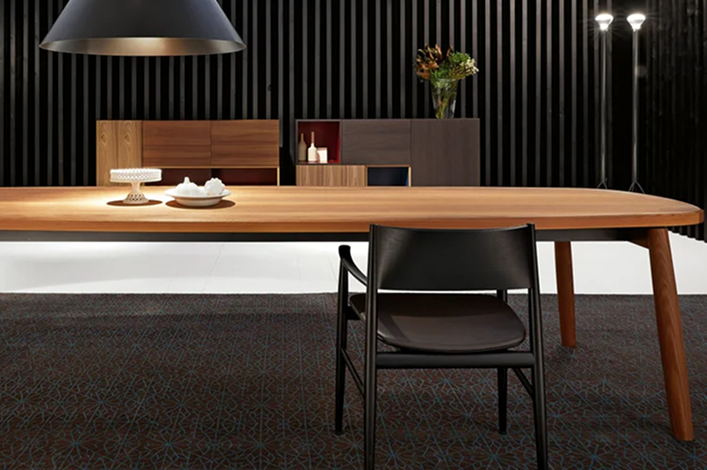
The ritual of the shared meal is perhaps the most significant social ceremony conducted within the home. It is an act that requires a specific architectural stage, where the choice of furniture dictates the pace and atmosphere of the gathering.
While the table provides the horizontal plane for utility, it is the act of curating dining seating that determines the comfort and longevity of the experience. A chair is more than a tool for sitting; it is a tactile interface between the human body and the interior volume.
In a high-end curation, the chair must possess both visual lightness and structural permanence, acting as a rhythmic element that defines the perimeter of the dining area while inviting the inhabitant to settle into the moment.
The Architectural Intent Behind Curating Dining Seating
When one approaches the design of a dining space, the chair must be viewed as a repeating structural unit. Unlike a sofa, which acts as a singular monolith, dining chairs create a cadence through their sheer number. The process of designing dining seating involves balancing this repetition so that the room feels cohesive, not cluttered.
In a gallery-like setting, the silhouette of the chair becomes a graphic line against the floor or the wall. If the chair is too heavy, the room feels static; if it is too ephemeral, the table loses its anchor.
By selecting pieces that prioritize a clear architectural logic, the designer ensures that the seating becomes a frame for the conversation that happens above the table surface. This intentionality ensures the space remains balanced during the day and atmospheric at night.
Materiality and the Tactile Dialogue of European Craftsmanship
The essence of a high-end chair lies in the integrity of its materials. For the designers represented at Graye, such as Piero Lissoni or Angelo Mangiarotti, a chair is an exploration of grain, joint, and surface. The choice between a hand-finished solid ash frame and a cold-pressed metal structure is not merely aesthetic; it is a decision about the temperature of the room.
Wood offers a soft, organic warmth that grounds a minimalist space, while metal introduces a sharp, industrial precision. This interplay between materials is what gives a room its character. When curating dining seating, you should consider how the texture of the upholstery, perhaps a dry-handle linen or a supple, full-grain leather, will interact with the light from a nearby window or an overhead fixture. The sensory experience of reaching for a chair and feeling the cool touch of metal or the grain of wood is a vital part of the home’s narrative.
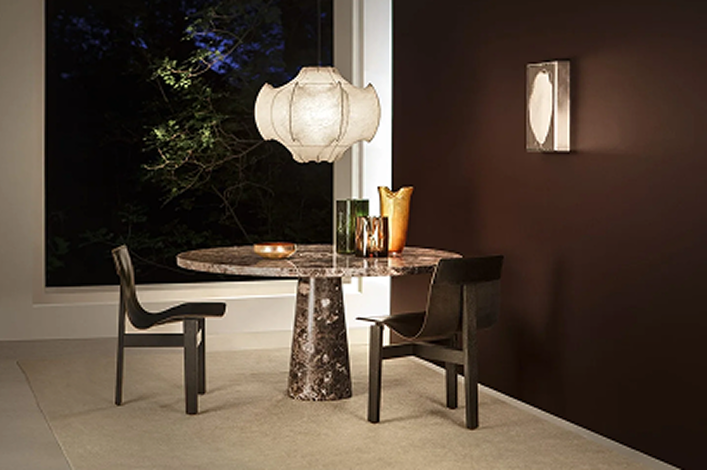
TRE 3
A chair with three legs connected by a sturdy T-shaped support, and a single piece of leather seat. Available in various finishes.
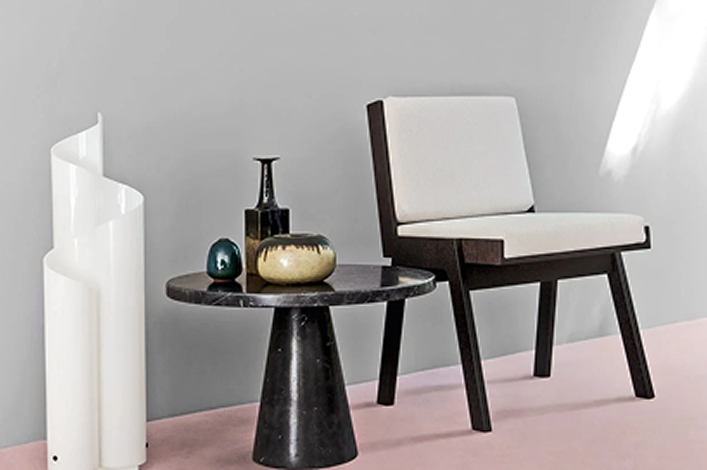
CLUB 44
A sculptural, architectural armchair defined by its inverted V-shaped leg that supports the armrest. Available in various finishes and with/without armrest.
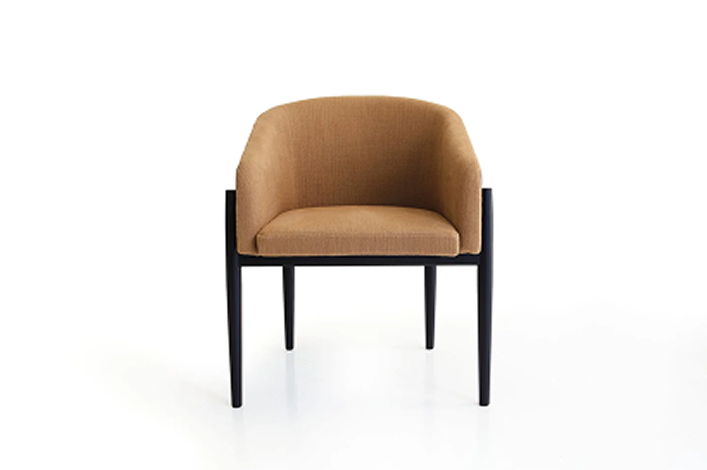
BREZZA
Wooden chair with a soft shell backrest and padded seat, featuring turned black-stained ash legs that reinterpret the Frank chair design with a more refined, elegant form.
The Structural Rhythm of the Repetitive Form in Domestic Space
There is a specific beauty found in the alignment of identical forms. In the context of designing dining seating, this repetition provides a sense of order and calm. When six or eight dining chairs are placed around a central table, they create a visual fence that defines the dining zone within an open-plan residence. This is where the choice of a backrest height becomes critical.
A low backrest maintains a clean horizon line across the room, allowing the architecture to speak, while a higher backrest offers a more formal, protective enclosure for the diners. This rhythmic placement ensures that the dining area feels intentional and architecturally sound, even when it is not in use.
The chair acts as a bridge between the empty volume of the room and the solid mass of the table, creating a layered aesthetic that rewards the observer.
Sensory Ergonomics and the Psychology of Lingering
The true test of a chair is found in the hours after the meal has ended. A successful approach to curating dining seating prioritizes the internal architecture of the piece, the pitch of the seat, the lumbar support, and the density of the padding. If a chair is designed purely for the eyes, the dinner will inevitably be cut short.
However, when ergonomics are hidden within a sophisticated silhouette, the furniture facilitates a longer, more unhurried experience. This same logic applies to more casual environments, where stools at a kitchen island or a bar-height counter must provide the same level of considered support to encourage social interaction throughout the day.
By prioritizing the relationship between the body and the seat, the designer creates a space where time feels slowed, and the focus remains on the presence of others.
Transitioning Between Traditional and Elevated Dining Heights
The modern home often features multiple dining surfaces, each requiring a different seating typology. The transition from a formal table to an informal counter is an opportunity to expand the design narrative. When curating dining seating for these varied heights, the goal is to maintain a consistent material language.
A designer like David Lopez Quincoces might utilize a similar leather-and-metal vocabulary across different seating heights to ensure that the transition feels seamless. By choosing seating that shares the same DNA as the primary dining chairs, the designer reinforces the cohesive nature of the home’s interior architecture. This consistency ensures that even the most functional areas of the home, such as a breakfast bar, feel as though they belong to the wider curatorial vision.
FAQs
-
A slight recline of 10 to 15 degrees encourages relaxed posture and longer conversation. A fully vertical back feels formal but can cause fatigue over extended meals.
-
A clearance of 10 to 12 inches allows comfortable leg movement. If too narrow, the diner feels physically and psychologically constrained.
-
Cantilevered frames remove rear legs, creating visual levitation and subtle suspension. This reduced footprint preserves the continuity of stone or timber flooring.
-
Yes, if a consistent finish or tonal palette is maintained. Material contrast works when proportion and alignment remain disciplined.
-
Aniline leather develops patina and records use over time. It requires attentive care but rewards with depth and character.
