
Sit Back in Luxury: How to Choose Dining Chairs for Your Table
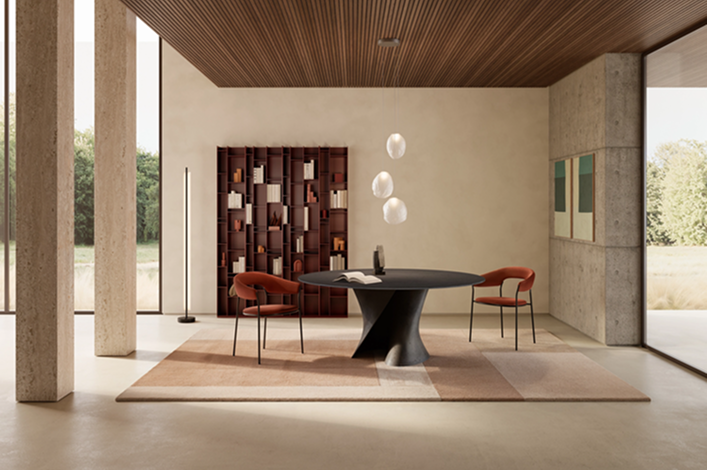
The dining chair is a silent witness to the home’s most meaningful social rituals. It is a piece that is scrutinized from every angle, felt through the hands as it is pulled from the table, lived in during the slow hours of a dinner party, and admired as a sculptural object when the room is still.
Understanding how to choose dining chairs involves more than a simple coordination of styles. It requires an appreciation for the dialogue between human ergonomics and architectural form.
At Graye, we curate seating that honors this balance, ensuring every chair provides a soulful resonance within the modern interior.
Why Seating Matters in Dining Room Design
In a well-composed dining room, the chairs provide the rhythm and the comfort that allow a home to truly breathe. While the table often acts as the anchor, the chairs define the experience of the space, dictating whether guests linger or depart.
Learning the selection of dining chairs begins with establishing an ergonomic foundation that supports the body without demanding its attention. A thoughtful recline of the backrest and a precise seat height provide the physical ease necessary for long, social evenings.
When these elements are resolved, the dining chair becomes a functional object that works as a catalyst for connection.
Considering Scale and Furniture Placement
The spatial cadence of a dining area is determined by the relationship between the chairs and the architecture surrounding them. A common misstep is overcrowding the table, which disrupts the room's visual flow and restricts the movement of guests. When considering how to choose dining chairs, one must account for the "breathability" of the arrangement.
Providing sixty-five to seventy centimeters between chair centers allows for a relaxed, formal posture. Similarly, the height of the chair back should be chosen based on the room's volume. Taller silhouettes offer a sense of enclosure and intimacy, while lower profiles maintain the expansive, continuous feel of an open-plan residence.
A Curated Perspective on Contemporary Chair Design
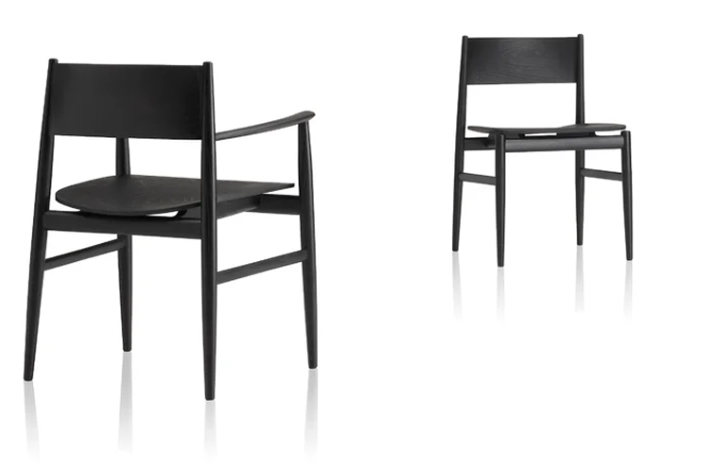
The mastery of contemporary chair design lies in the intelligent use of materials that age with a certain grace. The Neve chair by Piero Lissoni uses solid ash to achieve a precision that speaks to a refined, minimalist soul. Choosing a chair with a leather seat or a tactile textile adds a layer of sensory richness that deepens through years of use.
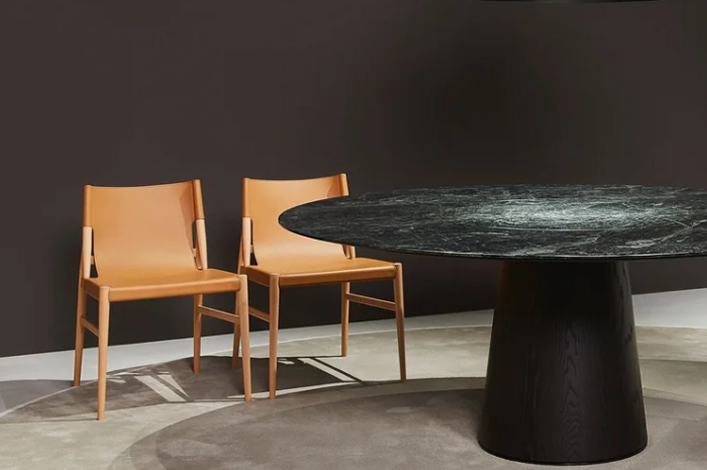
Similarly, the Voyage chair by GamFratesi explores the tension of a saddle leather sling, providing a seated experience defined by a gentle, supportive give. When you realize how to choose dining chairs based on material integrity, the furniture begins to record the particular history of the household.
The Dining Chair as an Architectural Element
Beyond their utility, dining chairs function as architectural elements that shape the light and shadow of a room. The structural material of a chair determines its visual weight. A timber frame introduces an organic warmth and a grain that feels grounded, while a metal frame offers a graphic clarity that minimizes the interruption between the table and the floor.
The dining chairs selection involves evaluating how these forms read in elevation. A chair should be as compelling from the back as it is from the front, acting as a three-dimensional sculpture that completes the room’s composition even when the table is unoccupied.
Custom Seating for Distinctive Interiors
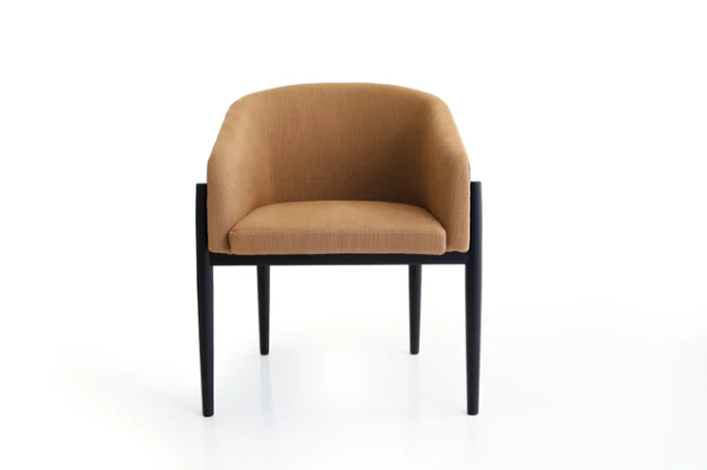
The most inspired dining environments often emerge from a deliberate material counterpoint rather than a perfectly matched set. Pairing the cool permanence of a stone table with the tactile warmth of a Brezza chair makes the room lively through contrast.
Our collection offers a foundation for this kind of creative expression, with pieces that can be tailored in a variety of timber species, leathers, and finishes. Learning how to choose dining chairs that resolve the specific aesthetic challenges of your space allows you to curate a setting that is uniquely yours, reflecting a commitment to craftsmanship and a sophisticated approach to modern living.
Explore Designer Dining Chairs at Graye
At Graye, we believe the dining room is a sanctuary for the art of the gathering. Our collection brings together respected designers who prioritize the quiet details of construction and the honesty of their materials.
Consult with our team to explore the myriad of custom options available, from hand-finished woods to specialized textiles. Discover how to choose dining chairs that harmonize with your home’s architectural language and provide a lasting foundation for the way you inhabit your space.
FAQs
-
The height of a backrest creates a visual boundary. Taller chairs increase the sense of enclosure, which can be ideal for making a large dining room feel more intimate. Lower chairs provide a more open, continuous perspective, allowing the dining area to blend seamlessly with adjacent living spaces in a fluid floor plan.
-
Weight is a tactile indicator of quality, but it also impacts the ease of movement. A dining chair should feel substantial and grounded without being cumbersome. We curate pieces that offer structural integrity while remaining light enough to be adjusted effortlessly, ensuring a gracious experience for both hosts and guests.
-
A curated variety of silhouettes can bring a sophisticated depth to the table. It needs to maintain a common thread, such as a consistent timber species or a shared upholstery tone. Using armchairs at the heads of the table while placing armless versions along the sides is a timeless way to introduce visual interest.
-
A thin, streamlined seat pad provides a crisp and architectural profile that suits a minimalist aesthetic. A deeper, more generous pad introduces a sense of plushness and comfort, though it also raises the seated position, which must be carefully measured against the height of the table.
-
To ensure a relaxed and formal atmosphere where elbows can move freely, aim for approximately 65 to 70 centimeters between the center points of each chair. This spacing allows the dining composition to breathe and ensures that the table never appears overcrowded, even during grand celebrations.
