
Designing with Metal: Architectural Surfaces for Modern Interiors
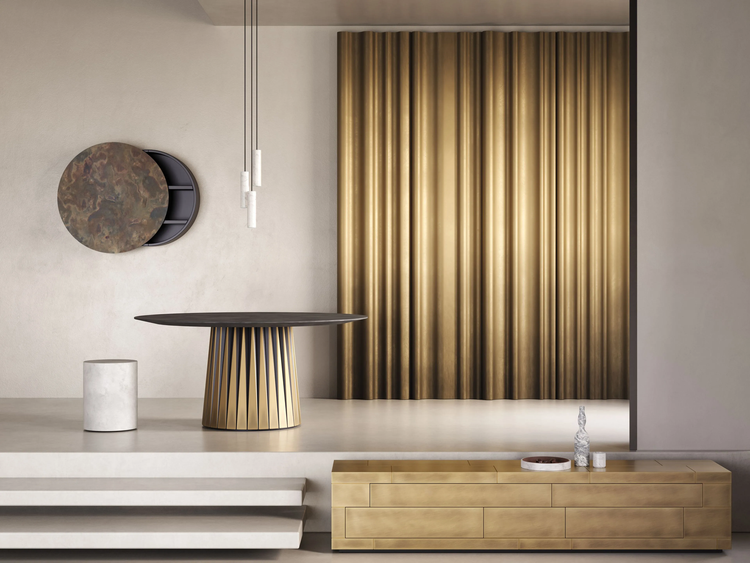
Metal has long carried associations of industry and infrastructure, yet within contemporary practice, it has emerged as one of the most nuanced materials available for architectural expression.
When approached with precision, architectural surfaces for modern interiors fashioned from metal can introduce depth, reflection, tactility, and permanence without sacrificing restraint. The question is not whether metal belongs in refined interiors, but how it is detailed, patinated, and integrated into the broader architectural language.
In its most sophisticated applications, metal does not function as an accent. It becomes plain. It wraps walls, frames thresholds, articulates ceilings, and defines millwork with clarity. Its performance is both structural and atmospheric.
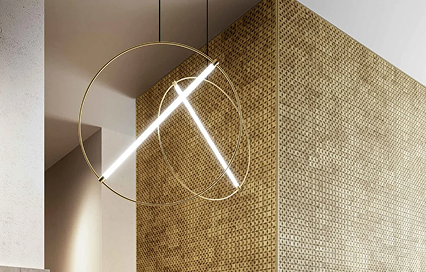
DIAMONDS
Surface
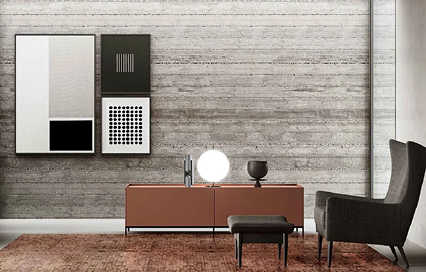
SQUARE 30
Surface
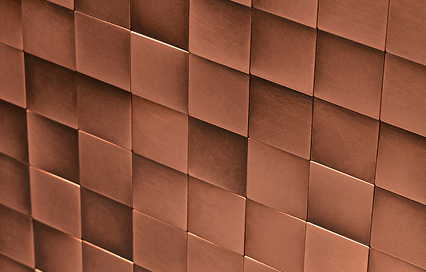
SQUARE 50
The repetition of a square module combines with the three-dimensional effect created by the variable thickness of the individual tiles. Available in stainless steel, brass, and copper.
Metal as Structural Plane Rather Than Ornament
To understand metal as part of architectural surfaces for modern interiors is to treat it not as embellishment, but as infrastructure made visible. Large-format panels in patinated brass or blackened steel can form continuous wall cladding that reads as monolithic. When joints are aligned to ceiling grids and base conditions, the surface becomes architectural instead of decorative.
Scale determines authority. Narrow strips of metal applied sporadically risk reading as trim. Full-height panels, by contrast, create continuity and weight. The edges of these panels must be resolved carefully, whether through recessed shadow gaps or seamless returns at corners.
When metal defines entire planes, it shifts the perception of volume. Light reflects subtly across its surface, altering the room’s tone throughout the day.
Surface Treatment and Patina as Design Language
Metal’s character lies in its finish. Polished brass introduces warmth and luminosity, while brushed stainless steel conveys precision and cool restraint. Patinated bronze, oxidized copper, and Corten steel offer depth that evolves over time.
Patina is not an imperfection. It is narrative. Within architectural surfaces, the controlled aging of metal can introduce richness without ornament. Chemical patination allows designers to achieve tonal variation deliberately, not relying on uniform sheen.
Matte finishes absorb light, creating intimacy. Satin finishes introduce slight reflection without glare. The selection of finish should align with adjacent materials such as stone, timber, or plaster.
Craft at the surface level determines the emotional register of the room.
Integration with Millwork and Built Form
Metal surfaces often intersect with millwork, cabinetry, and structural elements. Precision in these junctions distinguishes elevated execution from decorative overlay.
Flush integration of metal panels within timber frames creates contrast while preserving alignment. Metal wraps around door frames can transform thresholds into sculptural portals. When cabinetry fronts are clad in metal, push-to-open mechanisms maintain uninterrupted planes.
In projects grounded in thoughtful residential design, such integration occurs early in the architectural process. Metal surfaces are coordinated with electrical planning, structural supports, and acoustic considerations to ensure cohesion.
The success of metal in interiors depends not on novelty but on coordination.
Sound and Thermal Considerations
Metal is often perceived as auditorily harsh, yet its integration can be moderated through thoughtful detailing. Perforated metal panels backed with acoustic insulation combine visual texture with sound absorption. Ribbed metal surfaces diffuse sound waves, reducing echo in larger volumes.
Thermal performance also requires attention. Metal surfaces can conduct temperature differently than stone or wood. In residential environments, pairing metal with warmer materials such as timber flooring or upholstered elements ensures balance.
Architectural surfaces for modern interiors must perform beyond aesthetics. Their acoustic and thermal behavior shapes daily experience.
Vertical Articulation and Rhythmic Pattern
Metal lends itself to vertical articulation. Fluted brass panels, corrugated steel sheets, or laser-cut screens introduce rhythm across wall planes. When aligned with window mullions or ceiling seams, these vertical elements reinforce architectural order.
Patterns should remain disciplined. Repetition must correspond to the room scale. Overly dense patterning risks visual agitation. Subtle linear articulation, by contrast, elongates walls and enhances perceived height.
Screens fabricated from metal can function as partitions that preserve permeability. Light passes through perforations, creating layered shadow without complete enclosure.
Such applications demonstrate the versatility of architectural surfaces for modern interiors in metal.
Metal in Transitional Spaces
Entryways, corridors, and stairwells offer opportunities for metal to assert its presence. A stair balustrade clad in blackened steel introduces structural clarity. An entry vestibule lined in brushed bronze creates an immediate atmosphere.
In transitional spaces, metal surfaces can serve as mediators between interior and exterior. Weathered steel at the threshold may echo exterior cladding, reinforcing continuity.
The key lies in proportion. Metal should not overwhelm compact spaces. Instead, it should anchor them with precision.
Sustainability and Longevity
Metal’s durability aligns with contemporary values of longevity. Stainless steel resists corrosion. Brass and bronze develop patina without degradation. Properly sealed Corten steel forms a protective oxide layer.
Recyclability adds further value. Many metals can be repurposed or recycled at the end of their life cycle, lowering the environmental impact.
Architectural surfaces for modern interiors, crafted from metal, therefore represent both aesthetic and ethical investments.
A Material of Enduring Authority
Designing with metal demands architectural awareness. Surface treatment, alignment, light interaction, acoustic performance, and proportion must all be considered simultaneously. When these factors converge, metal becomes an instrument of clarity.
Architectural surfaces for modern interiors gain depth through the measured integration of metal planes that respond to light, evolve through patina, and align precisely with built form. The material introduces strength without excess and luminosity without ornament.
Ultimately, architectural surfaces defined by metal are distinguished by discipline. They are not gestures of spectacle, but exercises in precision. Through calibrated finish, proportion, and integration, architectural surfaces for residential spaces crafted from metal elevate an area into an enduring design experience.
FAQs
1. What types of metal are best for architectural surfaces in residential interiors?
Brass, bronze, stainless steel, and blackened steel are commonly used due to their durability, finish variety, and aging characteristics.
2. How can metal surfaces be integrated without creating glare?
Matte or brushed finishes combined with indirect lighting reduce reflection and maintain visual comfort.
3. Are metal wall panels suitable for small spaces?
Yes, when proportioned carefully and balanced with softer materials to prevent visual heaviness.
4. Do metal architectural surfaces require special maintenance?
Most require minimal upkeep, particularly when sealed or treated appropriately, though some finishes develop natural patina over time.
5. How do metal surfaces affect acoustics in interiors?
Perforated or textured metal panels with acoustic backing can moderate sound, preventing echo while retaining visual refinement.
