
Designer Bedroom Lighting Ideas That Combine Function and Luxury
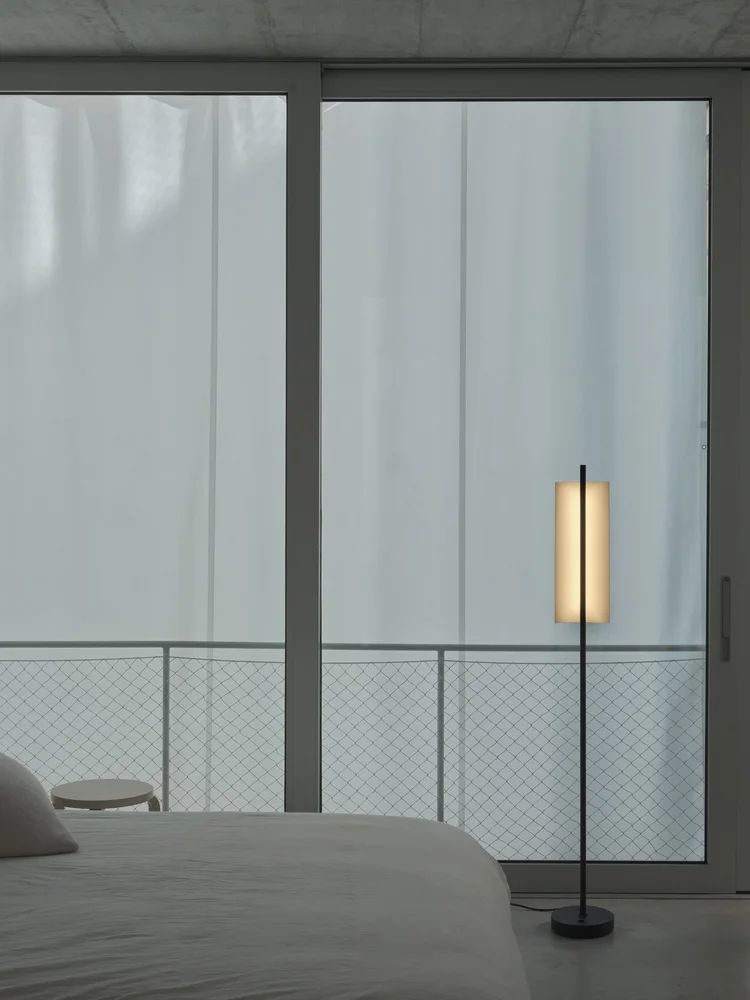
The most considered bedroom lighting ideas begin not with fixtures but with atmosphere. A bedroom is a space of transition, moving from daylight clarity to evening enclosure, from alertness to rest. Light must support that progression without drawing attention to itself. In refined interiors, illumination is architectural. It reveals material, clarifies proportion, and shapes volume. Luxury in the bedroom is not brightness but calibration.
To combine function and elegance, lighting must operate on multiple planes. It must address reading, dressing, circulation, and mood while maintaining visual restraint. The room should feel layered, not crowded with fixtures. When resolved carefully, light becomes an invisible structure that holds the space together.
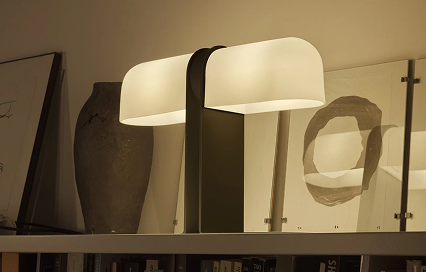
DUO
Black metal table lamp available with an opaque black or translucent white glass diffuser.

BABEL
Sculpted alabaster table lamp.
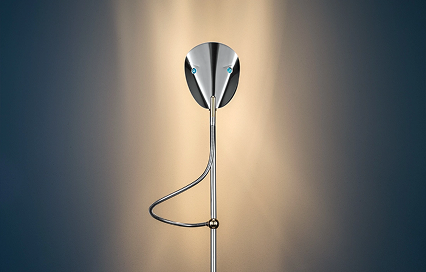
OCCHIBELLI
The collection groups together all lamps, past and future for the simple pleasure of bringing life to a gesture more than to a lamp.
Light as Architectural Infrastructure
In elevated bedroom lighting ideas, illumination is embedded within architecture rather than applied as ornament. Recessed coves along the ceiling perimeter introduce a soft halo that lifts the plane without visible hardware. Linear LEDs concealed within millwork or behind headboard panels articulate depth while maintaining clean sightlines.
Ceiling height plays a decisive role. In rooms with generous vertical dimensions, suspended fixtures can anchor the center of gravity, provided their scale corresponds to the bed below. In more intimate rooms, flush or semi-flush ceiling lights preserve visual calm and avoid compressing the volume.
The objective is not to fill the ceiling but to shape the envelope. Light should appear to emanate from the architecture itself, dissolving edges gently.
Layering Illumination Across Planes
A bedroom functions in layers, and its lighting must follow suit. Ambient light establishes the baseline tone, usually through concealed sources that wash walls or ceilings evenly. Task lighting provides directed illumination for reading or dressing. Accent lighting introduces subtle contrast, drawing attention to texture or art.
This stratification creates dimensionality. When each layer can be controlled independently, the room adapts to different times of day. Morning requires clarity without glare, and the evening calls for softness and enclosure.
The interplay between light intensity and material surface is critical. Honed stone absorbs illumination differently than polished lacquer. Linen diffuses glow, while metal reflects it sharply. A thoughtful composition anticipates these interactions.
The Headboard Zone and Vertical Rhythm
The wall behind the bed offers an opportunity for architectural articulation through light. Integrated vertical strips concealed within panel joints introduce rhythm without visible fixtures. Backlit headboards can produce a floating effect, allowing the bed to appear suspended within shadow.
Bedside lighting should avoid clutter. Instead of table lamps that occupy surface area, sculptural pendants or refined wall lights can flank the bed, freeing nightstands and reinforcing vertical lines. Their placement must align precisely with the mattress height and headboard proportion to maintain coherence.
Symmetry supports calm, though asymmetry can introduce subtle tension when handled with discipline. The key is alignment. Lighting should reinforce architectural axes rather than compete with them.
Light Temperature and Circadian Sensitivity
Modern bedroom lighting ideas must acknowledge biological rhythm. The color temperature of light influences alertness and rest. Warm tones promote relaxation and are suitable for evening hours. Cooler tones may support dressing or morning routines, but should be limited and controlled.
Layered systems that allow gradual dimming throughout the evening assist in transitioning from activity to rest. Instead of abrupt darkness, a sequence of diminishing intensity prepares the body for sleep.
Circadian awareness is rarely discussed in design discourse, yet it defines comfort. Luxury is not only visual but also physiological.
Contrast and Spatial Depth
Light defines form through shadow. In the bedroom, this contrast must remain gentle yet deliberate. Grazing light across textured plaster or timber slats reveals subtle irregularities, enriching the wall plane. Directional reading lights create pools of brightness that punctuate otherwise dim surroundings.
Contrast should never be harsh. Excessive spotlighting fractures serenity. Instead, soft gradients across surfaces establish depth without agitation.
Even darkness plays a role. Not every corner requires illumination. Preserving areas of shadow enhances intimacy and allows focal points to emerge naturally.
Integrated Storage and Soft Illumination
Wardrobes and dressing areas demand precision lighting. Integrated LEDs within cabinetry ensure accurate color rendering while preserving exterior simplicity. Concealed strips along shelving edges illuminate garments without glare.
Mirror lighting requires equal consideration. Vertical illumination flanking the mirror provides even facial lighting and reduces shadow distortion. Avoid overhead sources that cast unflattering angles.
When these functional elements are integrated discreetly, the room retains architectural clarity. Technology supports ritual without intruding visually.
Sculptural Fixtures as Controlled Gesture
While much of the bedroom’s illumination should remain concealed, a singular sculptural fixture can introduce character. A pendant suspended asymmetrically above one nightstand, or a minimal floor lamp positioned near a lounge chair, offers vertical punctuation.
Such gestures must remain disciplined. Oversized or overly ornate fixtures undermine calm. Scale, material, and finish should align with the room’s palette. Brass may echo hardware elsewhere. Blackened steel may correspond to window frames.
In carefully considered bedroom lighting ideas, sculptural pieces act as punctuation rather than exclamation.
The Transition from Daylight to Night
Natural light remains the primary source during daytime hours. Window orientation influences how artificial lighting should supplement it. North-facing rooms require warmer artificial light to counter cool daylight. South-facing spaces benefit from balanced layering to avoid glare.
As evening approaches, lighting should gradually replace daylight instead of competing with it. Layered systems allow a measured shift from natural brightness to interior glow.
The bedroom becomes a temporal space, responding to the cycle of day and night with gradual adaptation.
FAQs
1. Why are tunable color temperatures important for sleep?
Warm light supports melatonin production while cool light aids morning alertness. Systems should shift automatically throughout the day.
2. How should bedside lighting be positioned for reading?
Light sources should align just above shoulder height when seated, angled downward to avoid glare while maintaining even illumination.
3. Are recessed ceiling lights sufficient for a bedroom?
Recessed lights provide ambient coverage but should be supplemented with task and accent layers for depth and functionality.
4. How can lighting enhance a textured wall in the bedroom?
Grazing light placed close to the surface highlights texture through shadow, revealing material depth without overwhelming the space.
5. What distinguishes high-end bedroom lighting ideas from standard solutions?
Integration into architectural elements, precise alignment, layered control, and circadian awareness elevate lighting from utility to design strategy.
