
Bespoke Architectural Surfaces for Residential and Commercial Applications
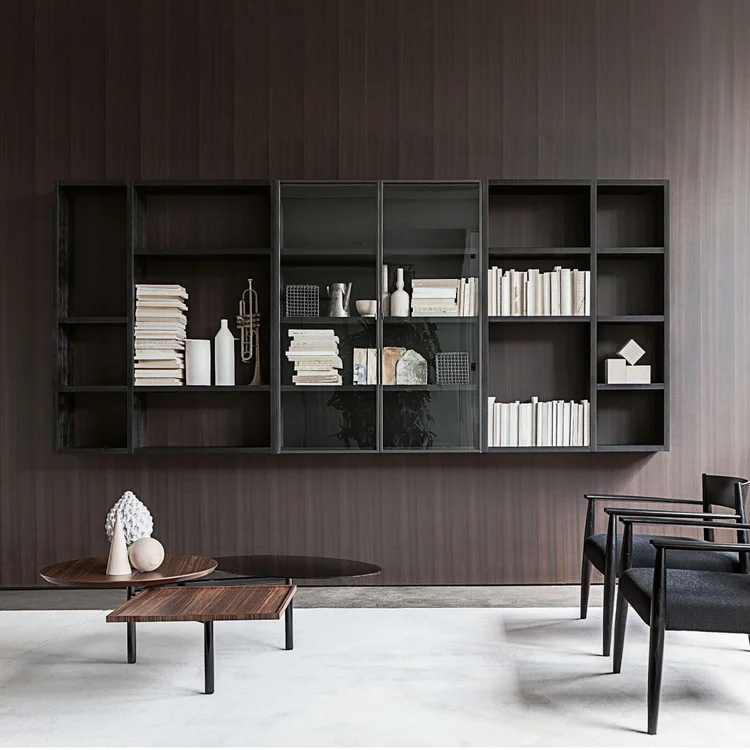
The architectural envelope is often treated as background, yet in considered interiors it is the primary act. Bespoke architectural surfaces redefine the wall, the ceiling, and the floor as active participants in spatial narrative rather than passive boundaries.
They determine how light travels, how sound behaves, and how the body experiences volume. In both residential and commercial contexts, custom architectural surfaces establish the atmosphere before furniture is introduced. They are not decoration. They are architecture rendered tactile.
To specify personalized architectural surfaces is to move beyond catalog finishes and into the discipline of material authorship. It requires attention to module, patina, joinery, and alignment. It asks that you consider not only how a surface looks at installation but also how it will evolve under daylight, shadow, and touch over decades.
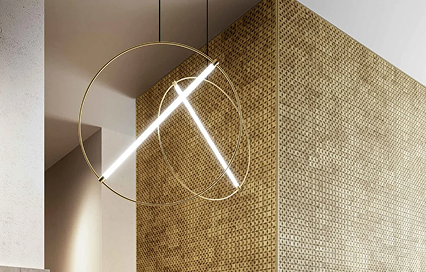
DIAMONDS
Surface
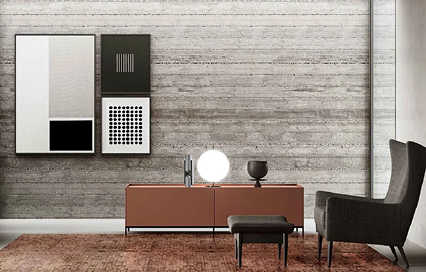
SQUARE 30
Surface
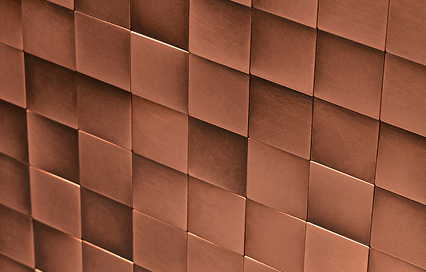
SQUARE 50
The repetition of a square module combines with the three-dimensional effect created by the variable thickness of the individual tiles. Available in stainless steel, brass, and copper.
Material as Structure Made Visible
Modern design, particularly within the lineage of Italian Rationalism, insists that material should not disguise structure but reveal it. A surface is not an applied skin; it is the structure expressed. When you select bespoke architectural surfaces in stone, metal, or timber, you are committing to a material narrative that will define the room’s permanence.
Honed basalt absorbs light differently from polished marble. Hand-troweled plaster records the gesture of the artisan within its subtle undulations. Solid metal panels introduce weight and gravitas that no laminate can replicate. These materials do not seek uniform perfection. In fact, their irregularities are evidence of origin.
In refined interiors, this honesty becomes the foundation of atmosphere. The surface carries conceptual weight, grounding the architecture in cultural continuity, not trend.
The Discipline of Metal and the Influence of De Castelli
Among the most compelling applications of custom architectural surfaces is the use of metal as primary cladding. Graye’s partnership with De Castelli demonstrates how metal can transcend its industrial associations and assume a sculptural, almost painterly quality. Brass, copper, and Corten are treated not as flat sheets but as living matter shaped by controlled oxidation and hand-finishing.
De Castelli’s mastery lies in patination. Through calibrated chemical processes and artisanal intervention, the metal develops tonal variation that reads like depth rather than color. A wall clad in oxidized copper becomes a field of shifting greens and browns that respond dynamically to light. Blackened steel panels absorb illumination and create a moody enclosure.
When integrated as customized architectural surfaces, these metals anchor residential living rooms and commercial reception spaces alike. Light grazing across hammered brass reveals micro-topography, while a patinated fireplace surround becomes both hearth and artwork. The material commands presence without ornament.
Integration Within the Residential Narrative
In residential environments, custom-designed architectural surfaces should flow seamlessly across zones. A timber-paneled entry may extend subtly into a corridor, its grain aligned with door frames and ceiling seams. Metal inlay introduced at the threshold can reappear as a wardrobe accent or concealed panel in the study.
Such continuity emerges most effectively within comprehensive residential design, where surface decisions are coordinated alongside spatial planning. When architecture and interiors are conceived concurrently, materials transition without abruptness.
A dressing room lined in smoked metal panels, for example, shifts the sensory experience of daily ritual. The tactile coolness of metal against warm oak flooring introduces contrast without fragmentation. The surface becomes a quiet luxury that reveals itself gradually.
Light, Texture, and the Changing Day
The behavior of light across bespoke architectural surfaces determines their emotional register. Morning illumination may reveal soft tonal variation in plaster, while evening light deepens the warmth of patinated brass. Surfaces should be evaluated under multiple conditions before final specification.
Grazing light accentuates texture. Concealed linear lighting integrated within ceiling recesses can wash over stone or metal panels, revealing depth without glare. Diffuse light smooths irregularities and enhances cohesion.
A refined interior anticipates these shifts. Surfaces are selected not only for static appearance but also for their capacity to transform throughout the day.
Technical Precision and Sensory Impact in Commercial Spaces
Commercial environments require durability and acoustic moderation in equal measure. Personalized architectural surfaces bridge these needs by combining material integrity with performance.
Textured metal panels diffuse sound waves, reducing echo in large foyers. Porous stone finishes absorb resonance while maintaining elegance. In hospitality environments, where atmosphere must support conversation, the calibration of surface density becomes essential.
Reception desks clad in acid-etched iron or bronze communicate authority without branding excess. Feature walls in patinated metal establish identity through material instead of signage. The environment feels curated, not engineered.
Module, Alignment, and Architectural Order
Precision in a module distinguishes bespoke work from decorative overlay. Panel widths must correspond to the ceiling height and the wall proportion. Stone slabs should align with window mullions. Metal seams must follow a deliberate grid.
Shadow gaps articulate transitions between materials and reinforce clarity. Flush integration at corners avoids visual interruption. These details are minimal yet foundational.
Bespoke architectural surfaces succeed when they read as integral to the building rather than applied afterward. Alignment communicates discipline.
Architecture as Lasting Foundation
When surfaces are conceived with rigor, they define the architecture more powerfully than any object placed within it. They determine the emotional temperature of a space and the longevity of its aesthetic.
Custom architectural surfaces are declarations of intent. They signal a commitment to craft, proportion, and permanence. In residential homes and commercial spaces alike, they establish coherence at the most fundamental level.
In the end, custom-made architectural surfaces transcend decoration. They shape light, manage sound, and record time. They anchor interiors within material authenticity and cultural lineage. Through their integration, the boundary between structure and expression dissolves, leaving only the quiet authority of considered design.
FAQs
1. How does the patination process of metal surfaces affect their maintenance?
Patination is a natural oxidation process that adds character over time. Maintenance involves gentle cleaning with non-abrasive cloths to allow natural aging without stripping the finish.
2. Can metal architectural surfaces be used in bathrooms or kitchens?
Yes, when properly treated and sealed. Stainless steel and treated brass perform well in humid environments while retaining tactile character.
3. What is the typical lead time for custom metal wall panels?
Hand-finished panels from European ateliers such as De Castelli typically require twelve to sixteen weeks, depending on scale and complexity.
4. How do bespoke surfaces influence acoustics in large spaces?
Textured or perforated metal and porous stone diffuse sound, reducing echo while preserving architectural clarity.
5. Are bespoke architectural surfaces suitable for commercial interiors?
Yes. Their durability and distinctive material presence make them ideal for hospitality, retail, and office environments seeking long-term impact.
