
Curating Exquisite Luxury Dining Room Furniture Collections
A dining room is more than a setting for meals. It is a place where architecture, material, light, and conversation meet. The right luxury dining room furniture gives these elements a clear relationship, allowing the room to feel composed without becoming overly formal.
At Graye, the approach begins with selecting pieces for their proportion, construction, and ability to hold their presence over time.
Begin With a Table That Establishes the Room’s Character
The dining table is usually the strongest visual anchor in the room. Its scale determines circulation, while its surface and base establish the material language for everything around it. A well-chosen table should have enough presence to define the dining area, yet enough restraint to let the architecture remain visible.
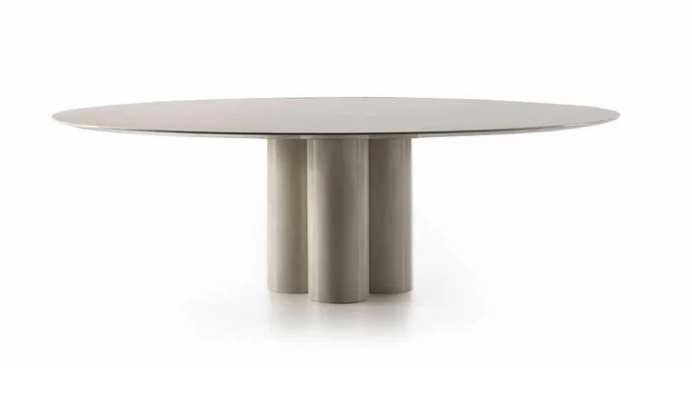
The Elly table, designed by Gabriele e Oscar Buratti, offers one direction. Its rounded base supports a top available in marble, glossy lacquer, or wooden veneer, giving the piece a measured balance between softness and structure.
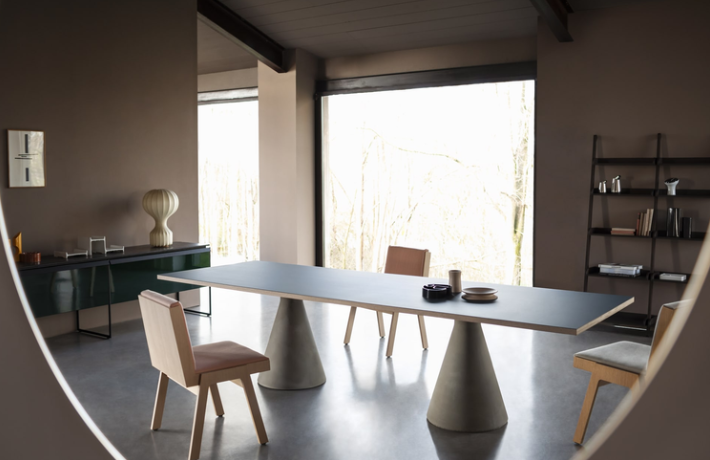
For a more sculptural expression, the Tavolo table by Angelo Mangiarotti combines a concrete base, wooden top, and steel connector in a three-part construction.
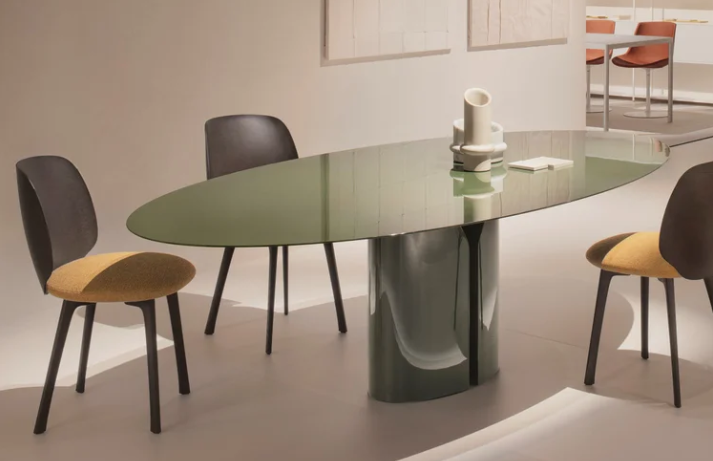
For another interpretation of sculptural geometry, the NVL table by Jean Nouvel Design uses a metal construction with a round or oval top and a pronounced base. Each demonstrates how luxury dining room pieces can define a space through structure rather than ornament.
Build Material Contrast Through Considered Seating
Once the table is established, seating introduces another layer of texture and scale. Dining chairs should complement the table without disappearing beside it. Upholstery can soften stone or metal, while wood can bring warmth to a more restrained architectural composition. In a carefully edited collection of luxury dining room furniture, seating is considered for comfort as well as its silhouette, because chairs remain in view long after guests have taken their seats.
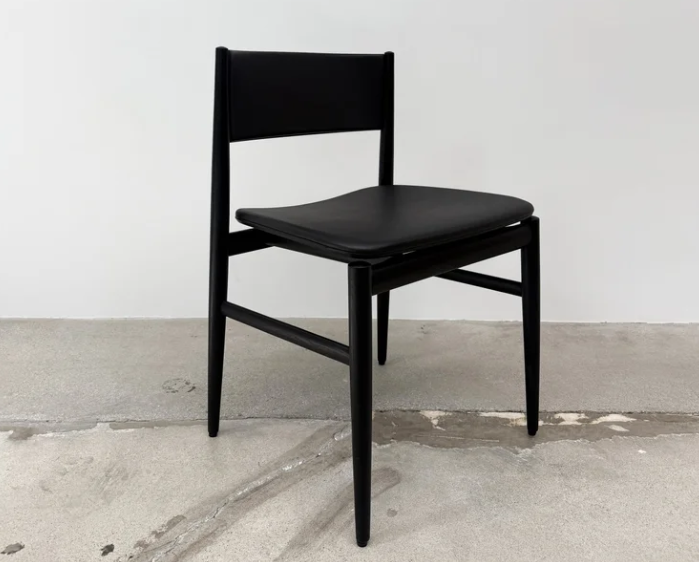
The Neve chair by Piero Lissoni pairs a solid ash frame with optional leather seating and back upholstery. Its clean silhouette allows the material to remain visible without adding unnecessary visual weight.
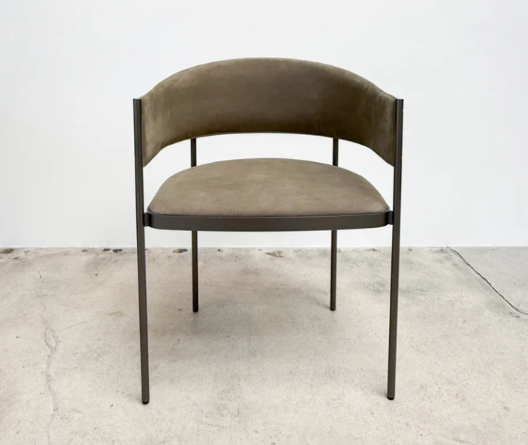
The Era chair, designed by Piero Lissoni, takes a different approach with a curved gunmetal grey metal rod structure, brass screws, and leather or fabric covering.
The most successful pairings do not depend on matching every finish. A dining room can feel more resolved when materials establish a quiet dialogue: stone against wood, brushed metal beside leather, or a dark surface balanced by a lighter chair frame.
For a deeper look at this principle, Graye explores how upholstered dining chairs can shape the visual and tactile character of a dining setting.
Explore the Complete Dining Chair Collection
Introduce Storage Without Competing With the Table
Credenzas, cabinets, and consoles can provide useful storage while extending the material language of the dining room. The key is proportion. A storage piece should support the room’s composition instead of competing with the table as a second focal point. Within a collection of luxury dining room furniture, these quieter pieces help carry the room’s visual language beyond the table itself.
Consider the finish of the table first, then look for a complementary surface or silhouette. A wood cabinet can echo the warmth of a wooden tabletop without duplicating its form. A darker or metallic finish can introduce contrast against pale stone, creating depth while keeping the overall palette disciplined.
This same principle applies to decorative objects. A small selection of pieces with distinct material qualities will generally create more visual interest than a crowded arrangement. Graye also explores how negative space, scale, and material can shape the table’s visual field through its approach to curated dining table centerpieces.
Let Lighting and Scale Complete the Composition
Lighting should reinforce the dining table’s position within the room. A pendant centered over the table can establish a visual axis, while softer surrounding illumination keeps the space atmospheric after daylight fades. The fixture itself should relate to the table’s geometry rather than compete with it.
Scale matters at every level. Leave enough room around the table for comfortable movement, consider the sightline created by chair backs, and make sure storage pieces sit comfortably within the wall plane. In an open-plan interior, these decisions become especially important because the dining area must feel defined without becoming isolated.
The result should be a dining room that feels deliberate from every angle. Luxury dining room furniture is most effective when each piece contributes to a larger composition, with no single element demanding attention unnecessarily.
Create a Dining Room Designed for Gathering
A memorable dining room does not depend on excess. It comes from thoughtful relationships between table, seating, storage, lighting, and architecture. Materials should feel considered, proportions should support the room, and every piece should have a reason for being there.
At Graye, luxury dining room furniture is curated around this balance of material integrity, formal clarity, and everyday use. Explore the collection to create a dining environment with the character to host both intimate meals and larger gatherings.
FAQs
-
Start with the room’s dimensions, circulation paths, and expected number of guests. Then consider whether the table’s material and silhouette support the architecture already present.
-
Not necessarily. Coordinating materials, proportions, or tones can create cohesion without making the room feel overly matched.
-
Use a table with enough visual weight for the room, then introduce upholstered seating, layered lighting, and a restrained material palette to create a more grounded atmosphere.
-
A direct match is not required. A related finish, complementary tone, or contrasting material can create a stronger composition while keeping the pieces visually connected.
-
Considered proportion, material relationships, negative space, and restraint tend to create a more curated result. The strongest rooms allow individual pieces to retain their identity while contributing to the whole.