
How to Choose an Office Chair with Ergonomic Luxury
Explore Graye's Office Collection
A desk may establish the structure of a workspace, but the chair determines how that space is experienced. Understanding how to choose an office chair means looking beyond conventional ergonomics to the relationship between the body, materials, proportion, and the room.
In a refined home office, seating should support concentration without introducing the corporate visual language. The most successful pieces make comfort feel considered.
Let Ergonomics Begin With the Way You Work
An office chair needs to support movement rather than hold the body in one fixed position. Consider how many hours you work and whether your day involves reading, writing, screen time, or movement between tasks.
Seat height is an essential starting point. Your feet should rest comfortably on the floor while your knees remain relaxed. The seat should support the thighs without pressing behind the knees, while the backrest should encourage an upright posture without restricting natural movement.
Look for Support Without Visual Excess
Ergonomic design does not require a chair to look mechanical. Refined seating can incorporate adjustable mechanisms, shaped backs, and considered cushioning within a restrained silhouette.
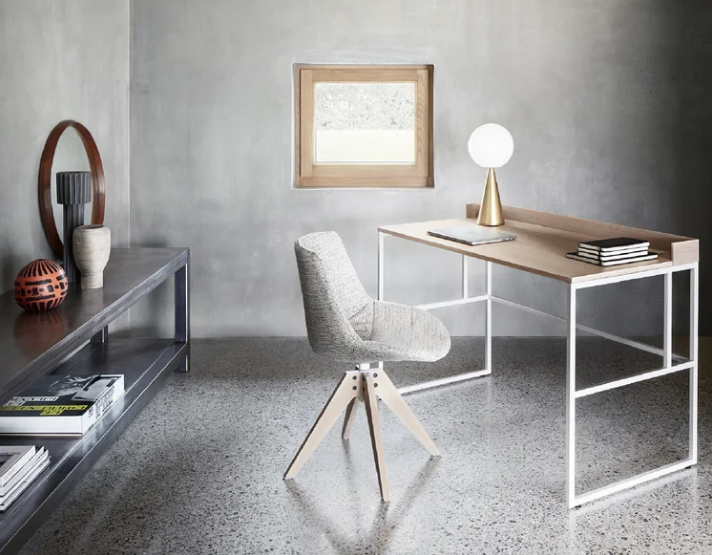
Jean Marie Massaud's Flow is a useful example. Its lacquered shell, upholstered seat, and choice of metal or wooden base create a sculptural presence that transitions naturally between dining and working environments.
Consider Materials as Part of the Working Experience
A chair is touched constantly, making upholstery an important design decision instead of a finishing detail. Knowing how to choose an office chair means considering how leather brings a tailored character and can develop greater depth through use.
Fine textiles introduce softness and a broader range of color and texture. A lacquered shell provides crisp definition, while timber brings warmth.
The choice should also respond to the desk and surrounding furnishings. Leather can reinforce darker timber, while textile upholstery can soften rooms built around stone, glass, or metal.
Match the Chair to the Desk Without Creating a Set
The desk and chair should relate, but they do not need to match. Deciding how to choose an office chair starts with creating a deliberate contrast that makes a workspace feel collected.
Start with height. The chair should sit comfortably beneath the desk, with sufficient clearance for the arms and legs. Then consider visual weight. A substantial desk may benefit from a chair with a lighter base, while a slender desk can support a more sculptural seat.
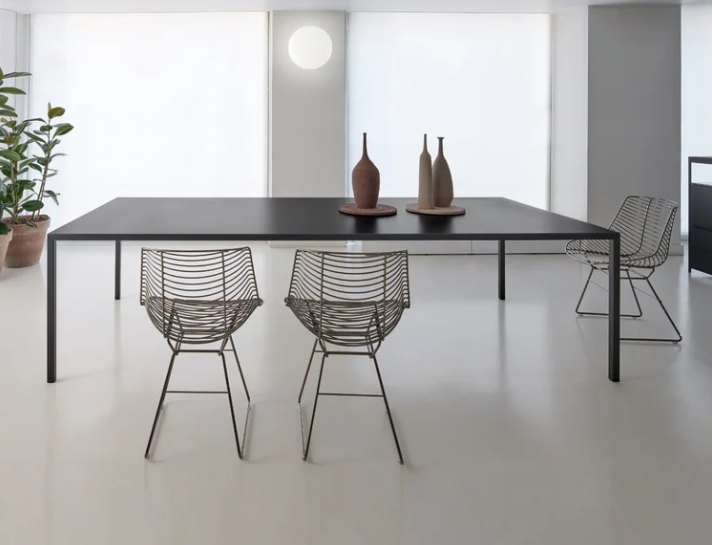
Graye's modern office furniture collection places this relationship within a residential context. The Tense desk by Piergiorgio Cazzaniga and Michele Cazzaniga uses a continuous surface and refined structural base, allowing the chair beside it to remain an individual design statement.
Think About Proportion From Every Angle
An office chair is viewed from behind as much as from the front, especially when a desk faces into the room. A sculptural shell, refined frame, or carefully upholstered back can allow the chair to contribute to the room even when it is not being used. This is one reason designer seating feels different from standard ergonomic furniture.
Refine Your Home Workspace With Graye
Let the Chair Support the Atmosphere of Concentration
A productive workspace should feel calm enough to encourage focus. Warm wood, tactile upholstery, and subtle metal finishes can prevent the office from feeling clinical.
Graye's high-end home office design guide considers orientation, circulation, light, storage, and material warmth as connected elements. The chair is therefore not an isolated ergonomic tool. It participates in the character of the room.
Prioritize Craftsmanship for Daily Use
When a chair is used for several hours each day, construction becomes as important as appearance. Examine the frame, upholstery, adjustable components, and finish.
A well-made chair should move smoothly, remain stable, and retain its character as the years pass.
This is where how to choose an office chair becomes a broader question of longevity. A piece selected only for immediate appearance may become tiring. A chair chosen for materials, ergonomics, and proportion can become a permanent part of the architecture.
Create a Workspace That Feels Entirely Your Own
The home office should not feel separated from the rest of the residence. Its furniture can carry the same material intelligence and craftsmanship found throughout the living spaces.
A desk, chair, shelving, and lighting should each have a distinct role while sharing a quiet visual language. The chair can become the most intimate expression of that philosophy, where ergonomics becomes tangible and refined material is experienced throughout the day.
Contact Graye to Experience the Difference
Conclusion
The right office chair should disappear into the experience of working while remaining beautiful enough to belong in the room when work is over. Learning how to choose an office chair means balancing ergonomic support with material quality, proportion, mobility, and visual restraint.
Look for a design that supports the way you work, complements the desk without matching it, and feels considered from every angle. When comfort and craftsmanship are resolved together, the chair becomes more than functional seating. It becomes part of the architecture of a workspace designed to last.
FAQs
-
The chair should allow your feet to rest comfortably on the floor while your elbows can sit naturally near the desk surface. Exact height depends on chair and desk dimensions.
-
Yes. A refined swivel mechanism can provide useful mobility without compromising the room's aesthetic. The key is selecting a chair whose base and proportions feel intentional.
-
Armrests can provide additional support during extended work, particularly when correctly positioned. Consider your posture, desk height, and working habits before prioritizing them.
-
Leather offers a tailored surface and develops character, while durable textiles provide greater variety in texture and color. The best choice depends on use and maintenance preferences.
-
Absolutely. A chair can introduce a contrasting material, reinforce an existing finish, or provide a sculptural focal point. Its relationship with the desk and architecture matters as much as its function.