
How to Choose a Bed Frame for Bespoke Sanctuary Spaces
Explore Graye's Contemporary Bed Collection
A bedroom should feel removed from the pace of the rooms around it. Its atmosphere depends on proportion, texture, light, and the quiet confidence of the furniture within it.
Understanding how to choose a bed frame is therefore a question of both comfort and spatial character. The right design does more than support the mattress. It establishes the room's visual center and shapes how the surrounding architecture is experienced.
Let the Bed Establish the Room's Architectural Rhythm
The bed occupies a considerable portion of the bedroom, so its proportions have an immediate effect on the space. A low profile can make the room feel expansive, allowing more of the wall and ceiling to remain visible. A substantial upholstered headboard can create intimacy, giving the sleeping area a softer architectural boundary.
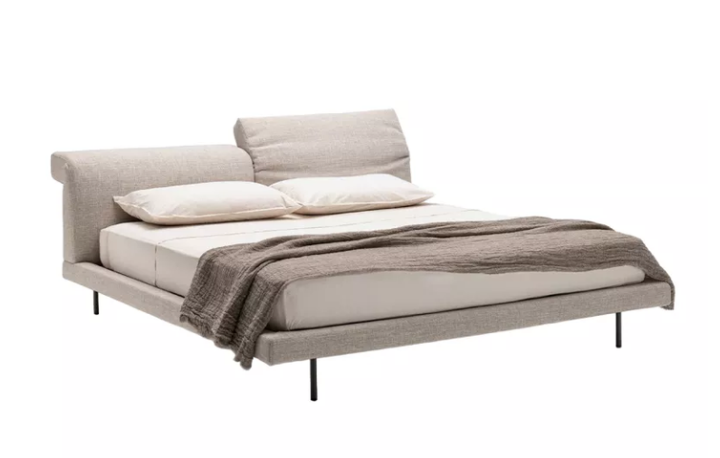
The Sumo bed by Piero Lissoni takes a considered approach to this relationship. Its upholstered structure incorporates an adjustable headboard mechanism, allowing the piece to respond to different positions while retaining a composed silhouette.
Choose a Headboard That Gives the Bedroom Its Sense of Enclosure
The headboard is the strongest vertical element in the bedroom. When considering how to choose a bed frame, upholstery can introduce softness and acoustic warmth, while a more restrained frame allows the architecture to remain prominent.
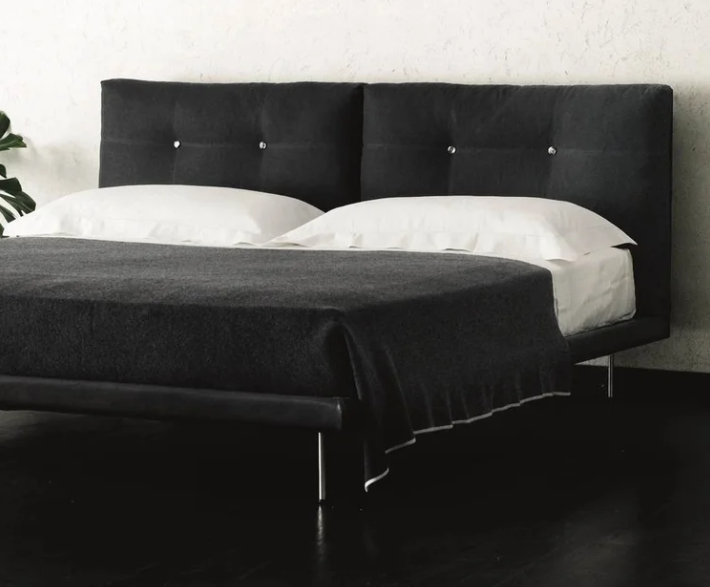
The Rod bed by Piero Lissoni is covered in fabric or leather and features a tufted headboard with optional buttons. The detailing creates a subtle play of depth across the upholstered surface, giving the bed a tactile presence without relying on excessive ornament.
A headboard should also respond to the wall behind it. A broad upholstered form can make a large wall feel more resolved, while a lower profile may be preferable where architectural detailing already provides visual interest.
Look Closely at Materials and Their Tactile Qualities
Bedrooms are rooms of proximity. Materials are experienced at close range, often in softer and quieter light than elsewhere in the home. This makes upholstery, leather, timber, and metal particularly important.
A fabric-covered frame can soften the room and create warmth. Leather offers a more defined surface and can develop character through use. Exposed structural details can introduce a sharper architectural note.
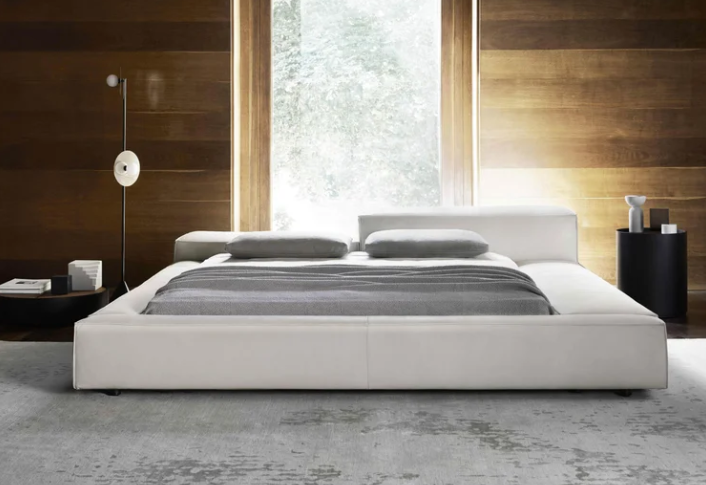
The Extrasoft bed by Piero Lissoni uses modular elements with fully removable fabric or leather covers and exposed seams. The construction gives the bed a relaxed, generous character while allowing the upholstery to remain an integral part of its design.
When thinking about how to choose a bed frame, material should be judged not only by appearance but also by how it will feel, age, and relate to the other surfaces within the bedroom.
Discover Refined Contemporary Beds
Give the Bed Enough Space to Remain the Focal Point
A luxury bedroom does not need to be crowded to feel complete. Restraint allows the bed to retain its presence.
Allow sufficient clearance around the frame for comfortable movement. Avoid placing furniture so close to the bed that the room loses its sense of openness. The negative space around the bed is part of its composition.
Graye'sguide to king-size bed dimensions considers the relationship between mattress footprint, circulation, headboard scale, and surrounding architecture. These measurements matter because even an exceptional bed can feel disproportionate when the room cannot comfortably accommodate it.
Think About the Floor Beneath the Frame
The relationship between the bed and floor can change the entire atmosphere. Knowing how to choose a bed frame means considering whether a low base emphasizes horizontal continuity and can make the ceiling appear higher, or a more elevated frame introduces greater visual separation from the floor.
Neither approach is universally better. The choice should respond to the proportions of the room and the desired sense of weight.
Consider Craftsmanship Beyond What the Eye First Sees
A beautifully upholstered bed is only as successful as its construction. Look closely at seams, joinery, frame proportions, mechanisms, and the way upholstery meets the structure.
Fine Italian craftsmanship reveals itself through these quieter details. Nothing needs to be excessive. Precision becomes the decoration.
Graye's luxury bedroom interior design journal considers the bed as the room's primary horizontal datum, with its height, material, and mass influencing circulation and the psychological balance of the space.
A bed designed with this level of attention can remain visually relevant even as the surrounding room evolves.
Let the Bed Inform the Rest of the Bedroom
Once the bed has been selected, the surrounding pieces can respond to it. Nightstands can echo its height or provide considered contrast. A rug can soften the transition to the floor. Lighting can reinforce the vertical register established by the headboard.
The goal is not to create a matching bedroom suite. It is to establish relationships.
A leather headboard might sit beautifully against textured plaster. A soft fabric frame can bring warmth to stone flooring. A restrained silhouette can allow an expressive rug or artwork to become more prominent.
This is where how to choose a bed frame becomes less about selecting one beautiful object and more about understanding how that object will shape everything around it.
Choose a Frame Designed for the Life of the Room
A bed is rarely replaced as often as decorative pieces, so its design should have permanence. Consider whether its proportions will suit future changes, whether the upholstery can be maintained, and whether its silhouette can remain compelling beyond current trends.
Graye's bed collection includes designs with custom options, allowing materials and specifications to respond to their setting.
The best frames reveal their quality through daily use, from comfortable proportions and refined materials to the calm they bring to the room.
Request a Personalized Design Consultation
FAQs
-
It can, particularly when a broader architectural presence is desired. The additional width can visually anchor the bed and create a stronger relationship with the wall behind it.
-
Not always. A low frame can create openness, while a more substantial design can bring intimacy and visual weight. The correct height depends on the room's proportions.
-
Yes. A strong headboard can provide the room's primary gesture while the remaining furnishings stay restrained. The key is to give it enough surrounding space.
-
Customization can be valuable when room proportions, material preferences, or specific spatial requirements call for something more precise than a standard configuration.