
Luxury Lighting Design: Sculptural Forms and Material Expression in Interior Spaces

The architectural merit of a residence is rarely determined by its dimensions. Instead, it is defined by the interaction between void and volume, between the permanence of a structural wall and the ephemeral nature of the light that grazes it.
In the contemporary curation of a home, the essence of luxury lighting design resides in its ability to act as a silent protagonist. It is no longer a utility to be hidden but a medium of craft that dictates the psychological weight of a room.
When an object provides illumination while simultaneously occupying space as a piece of sculpture, it shifts the dialogue from mere visibility to profound atmosphere. The choice of a fixture becomes a statement on materiality, proportion, and the intentionality of the inhabitant.
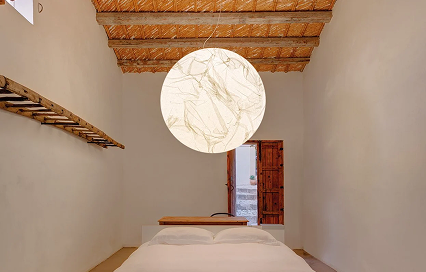
MOON
Softly illuminated, handmade surface of unryu kozo paper.
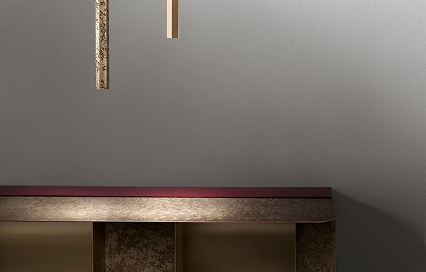
ESA
Hexagon-inspired pendant light with De Castelli finishes, emitting a downward beam and designed for use as a single spotlight or in clustered configurations to create ambient lighting compositions.
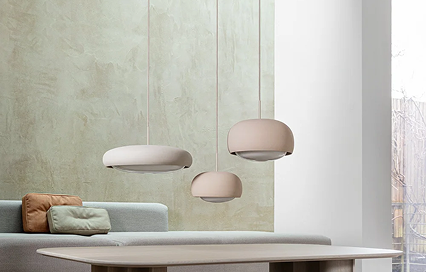
GEMA L
Porcelain shade and mouth-blown white glass diffuser, combining artisanal craftsmanship with soft ambient illumination.
The Intersection of Light as a Material and Architectural Volume
To understand the modern gallery aesthetic, one must view light as a physical material. It carries weight, texture, and direction. In high-end interiors, the fixture serves as the source while the architecture serves as the canvas. The way a beam of light interacts with a hand-burnished metal surface or a piece of honed basalt is as critical as the building’s foundation.
This is where the distinction between a showroom and a curatorial institution becomes clear. A showroom sells a lamp. A gallery understands how the photons emitted from that lamp will alter the color temperature of a silk-wool rug or highlight the grain of a sand-blasted oak table. By prioritizing the structural integrity of the light itself, the designer creates a space that feels grounded and permanent.
Technical Precision in the Execution of Luxury Lighting Design
Achieving a sophisticated interior requires a rigorous understanding of the technical specifications that underpin lighting design. It is not enough for a piece to look beautiful during the daylight hours. Its true test occurs at dusk, when the artificial source must replicate the soft, directional quality of the setting sun. This involves a careful calculation of lumens, color rendering indices, and the physical footprint of the fixture.
When selecting ceiling lighting for a dining environment, the focus remains on how the scale of the piece relates to the horizontal plane of the table below. The objective is to create a pool of intimacy that separates the diners from the rest of the room. This technical mastery ensures that the illumination is never aggressive, but rather a gentle invitation to linger within the space.
Davide Groppi and the Philosophy of the Invisible Source
In the context of luxury lighting design, there is a movement away from the synthetic and toward the raw. Davide Groppi’s work often emphasizes the absence of the fixture itself, focusing instead on the purity of the beam. This intellectual approach to illumination suggests that the most powerful light is the one that is felt rather than seen.
By integrating fixtures into the very fabric of the ceiling or walls, the designer can manipulate the inhabitant’s perception of depth and height. This skill ensures that the illumination is a subtle choreography of photons that results in a cohesive sensory experience.
Creating a Dialogue Between Shadow and Structural Surfaces
A common mistake in interior architecture is the over-illumination of a space, which flattens the environment and robs the architecture of its depth. The most sophisticated rooms are those that embrace shadow. The placement of wall lighting is particularly effective in this regard, as it allows for the creation of vertical textures.
By grazing a plaster wall with a soft, upward glow, the designer can emphasize the slight irregularities in the hand-applied finish, adding a layer of tactile interest that would otherwise be lost.
This creates a sense of mystery and movement within the home. The shadow is not a lack of light, but a deliberate choice to let certain architectural details remain in the periphery, rewarding those who take the time to look closer.
The Scientific Rigor of Material Expression in Illumination
The choice of materials in the construction of a light fixture is a reflection of a commitment to longevity and ethics. We see an increased use of patinated brass, hand-blown Murano glass, and cast bronze. These materials respond to light in a way that plastic or mass-produced metals cannot. They offer a certain degree of aging, where the fixture will evolve over the years of use, acquiring a unique character that tells the story of the home.
The integration of table lighting within a study or a library provides a perfect opportunity to showcase these materials at eye-level, where the tactile quality of a cold-pressed metal base or a linen shade can be fully appreciated by the user.
The Enduring Legacy of Craft in High-Performance Illumination
As we look toward the evolution of luxury lighting design, it is clear that the future lies in the marriage of ancient craft and modern technology. While LED integration has allowed for thinner profiles and more daring shapes, the soul of the fixture remains in the hands of the maker.
The designers represented at Graye understand that a light is more than a tool for vision. It is an artifact of human creativity. It is the final layer of the design process, the element that ties the architecture to the furniture and the art to the inhabitant. By choosing pieces that prioritize sculptural form and material expression, you are not just illuminating a room. You are defining the very atmosphere of your life through the supremacy of luxury lighting design.
FAQs
1. What is the importance of a High Color Rendering Index in residential galleries?
A high CRI ensures that artwork and textiles are rendered with accurate color depth. It preserves the integrity of the artist’s palette within a domestic setting.
2. How does the patination of metal fixtures affect the quality of reflected light?
As brass or bronze matures, the surface softens and diffuses light more gently. The result is a warmer, more atmospheric glow.
3. What is the ideal Kelvin temperature for illuminating honed stone surfaces?
Honed stone responds best to warm light between 2700K and 3000K. This range enhances veining without introducing a clinical tone.
4. How can indirect lighting be used to enhance acoustic comfort in a minimalist room?
Indirect light grazing textured surfaces adds visual depth that psychologically softens the space. This layered illumination contributes to perceived intimacy.
5. What are the structural considerations for installing heavy-gauge sculptural pendants?
Reinforced junction boxes and proper load assessment are essential. Coordination with a structural engineer ensures secure, long-term installation.
