
Rugs in Interior Design: Defining Space Through Texture Scale and Material
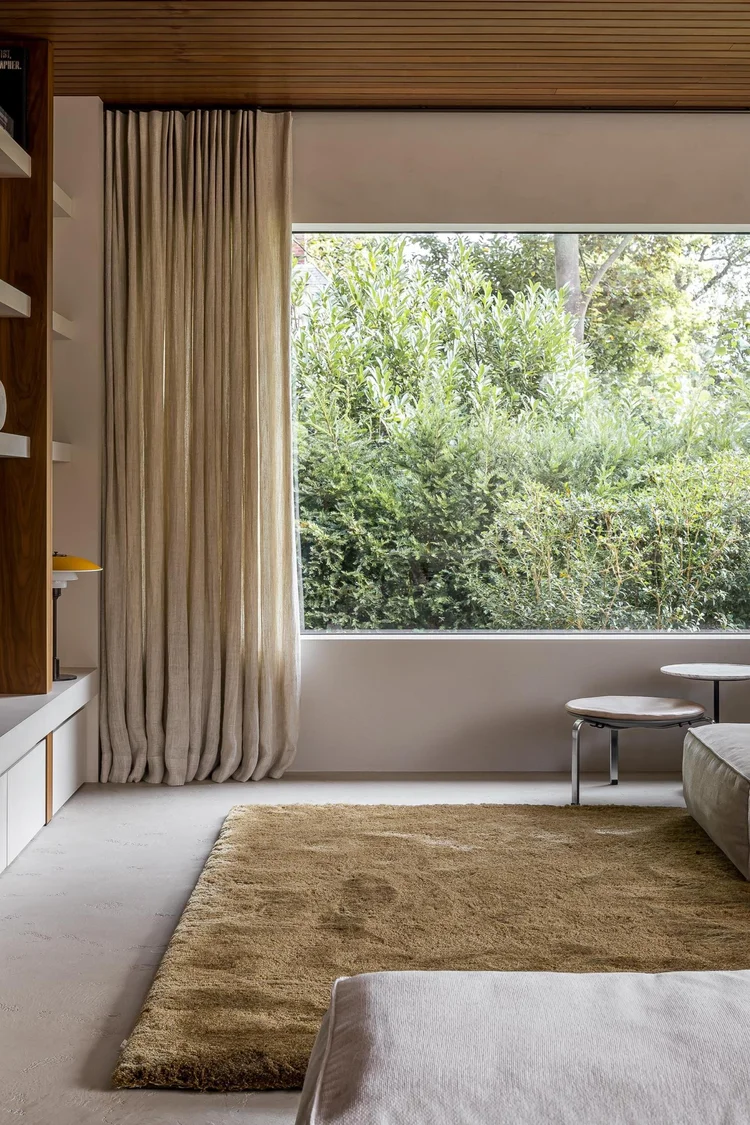
In the composition of a high-end interior, the floor is often considered the fifth wall. It serves as the physical and psychological foundation upon which every other design decision is built. The application of rugs in interior design represents a deliberate act of architectural zoning, where a soft textile plane is used to define the boundaries of a living environment without the need for structural partitions.
This approach allows for a fluid dialogue between different areas of a home, maintaining an open-plan aesthetic while providing the necessary grounding for furniture and art. When a rug is selected with intentionality, it does not just sit upon the floor; it becomes an integral part of the room’s spatial logic, offering a tactile counterpoint to the hard surfaces of stone, steel, and wood.
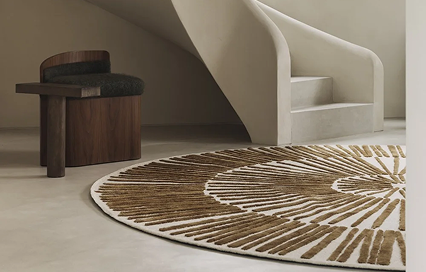
THINSTRIPES CIRCULAR
Made of Merino wool & cotton. Customizable in color, quality, shape, and size.
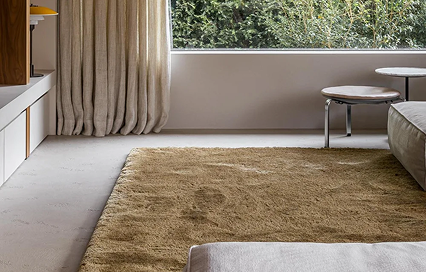
SALSA
100% Mohair Rug. Choose from sample colorways or tailor colors to your project. Available in various pile heights.
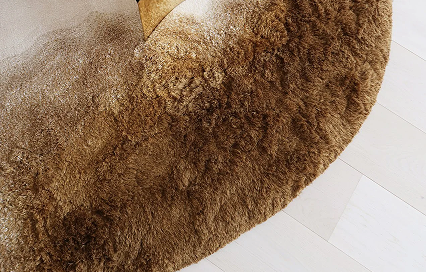
SUMMITHUES
Collection of rugs.
The Structural Logic of Rugs in Interior Design
Viewing the floor as a site for architectural intervention requires a shift in perspective. Instead of seeing a textile as a finishing touch, one must see it as a tool for defining volume. Within a large, open-concept residence, the use of rugs in interior design acts as a subtle anchor for specific activities.
A dining area is carved out of a larger hall not by walls, but by the precise placement of a hand-knotted boundary. This creates a psychological perimeter that invites the inhabitant to slow down and occupy the space. By establishing these horizontal planes, the designer can control the flow of movement throughout the house, ensuring that each area feels distinct and purposeful. This method of zoning is particularly effective in modern homes where visual transparency is prioritized over traditional room divisions.
Materiality and the Tactile Response of the Hand-Knotted Pile
The soul of a rug resides in its fiber. At Graye, the curation of rugs focuses on the raw integrity of materials such as hand-spun wool, botanical silk, and refined hemp. Designers like Jov Studio have mastered the art of material expression, creating pieces where the variation in texture is the primary design element.
The tactile experience of walking across a high-pile wool surface compared to a flat-woven hemp piece drastically alters the mood of a room. Wool offers a sense of permanence and warmth, absorbing sound and softening the acoustics of a minimalist space. Silk, conversely, introduces a level of light refraction that adds a luminous, liquid quality to the floor.
These material choices are not only aesthetic; they are functional decisions that impact the sensory comfort of the home.
The Interplay Between Horizontal Textiles and Architectural Lighting
A considered interior is a holistic environment where every element is in conversation with the next. The way a rug responds to light is critical to its success within a room. When a piece is illuminated by a soft glow from ceiling lighting, the shadows within the pile create a sense of depth and three-dimensional texture. This interaction is even more pronounced when the light is directed at an angle.
The placement of wall lighting can highlight the sheen of a silk-and-wool blend, revealing the subtle color shifts that occur as the sun moves across the sky. By coordinating the placement of floor-bound textiles with the primary light sources, the designer can manipulate the perceived scale of the room.
A rug that catches the light can make a small space feel airy and expansive, while a dark, matte piece can create a sense of intimacy and weight.
The Importance of Scale and the Oversized Textile Plane
One of the most frequent challenges in residential curation is the selection of the correct scale. A rug that is too small for its environment creates a sense of fragmentation, making the furniture appear as if it is floating without a clear purpose.
In the context of professional rugs in interior design, the preference is often for oversized pieces that sit beneath all the legs of a seating arrangement. This creates a unified island of comfort that anchors the furniture within the room’s architecture.
Large-scale rugs provide a sense of luxury that is grounded in the generosity of space. When a rug extends toward the edges of a room, it creates a seamless transition between the furniture and the perimeter walls, resulting in a cohesive and unhurried atmosphere that rewards the inhabitant’s gaze.
The Influence of Italian Rationalism on Contemporary Rug Design
Many of the creators represented at Graye draw inspiration from the design canon of mid-century Europe. The principles of Italian rationalism, which prioritize logic and proportion, are clearly visible in the geometric precision of modern rugs. These pieces feature understated patterns that are dictated by the weaving process itself rather than applied decoration.
The beauty of the object is found in the rhythm of the loom rugs in the interior and the subtle variations of the natural dyes. This intellectual approach to design ensures that the rug remains timeless, avoiding the pitfalls.
The Final Layer of Spatial Harmony Through Curated Textiles
As the design process reaches its conclusion, the rug serves as the element that pulls all other components together. It is the bridge between the architecture of the building and the intimacy of the furniture. Whether it is a tonal piece by Jov Studio or a geometric experiment by Mae Engelgeer, the textile on the floor is the final word in the story of the room.
By focusing on the nuances of texture, scale, and material, the designer creates a space that is not only visually balanced but also profoundly lived-in. The presence of rugs in interior design is the mark of a home that has been curated with a deep understanding of spatial harmony and the quiet confidence of the longevity of rugs.
FAQs
1. How does knot density affect a rug’s longevity?
Higher knot density increases structural resilience and preserves visual depth. Dense weaves resist flattening in high-traffic areas.
2. Why do silk-and-wool rugs change appearance in light?
Silk reflects light at varying angles, creating shimmer. When blended with wool, the pile shifts tone depending on viewpoint and daylight.
3. Can a rug improve acoustics in a minimalist interior?
Yes. Thick wool rugs absorb sound and reduce reverberation across hard floor surfaces.
4. How should heavy furniture be placed on hand-knotted rugs?
Use wide glides to distribute weight evenly. Periodic rotation helps fibers maintain their loft.
5. Do natural dyes fade in sunlight?
Natural dyes mellow rather than degrade, developing a subtle patina that enhances character over time.
