
Metal Outdoor Furniture with a Contemporary Edge
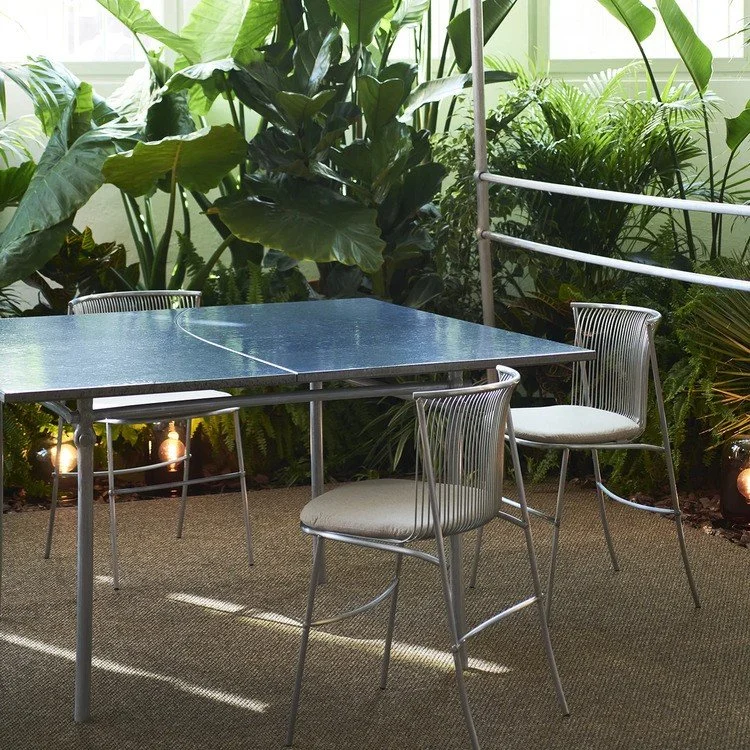
Metal has been used in outdoor settings for as long as exterior living has been considered a viable option. But the metal outdoor furniture of the contemporary design tradition operates in an entirely different register from the cast iron garden bench or the powder-coated stacking chair.
It brings to the exterior the same structural intelligence and material precision that serious interior design demands, resolving the challenges of weather, load, and thermal cycling in forms that are architecturally purposeful and not solely durable. The result is an outdoor room that reads with the same quality of thought as the interior it extends to.
What Metal Offers That Other Outdoor Materials Can Not
The structural properties of metal give outdoor furniture a dimensional precision that timber and stone cannot consistently achieve. A metal table frame, fabricated to tight tolerances, holds its geometry without seasonal movement. Its joints are resolved at the point of manufacture rather than accommodated through seasonal swelling and compression. This structural honesty is also visual: the thinness of section that metal allows produces furniture of a material lightness that reads as architectural rather than merely functional.
The surface treatment of metal outdoor furniture is where climate-specific engineering becomes most consequential. Powder coating, when applied to a properly prepared substrate at the right film thickness, provides a continuous barrier against moisture penetration. The best powder-coat specifications include a primer layer before the topcoat, which significantly extends the coating's adhesion to the metal substrate under the thermal-cycling conditions of exterior use.
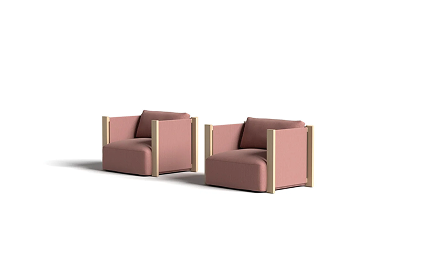
ARKADIUS
Lounge chair with architectural wooden backrests and armrests, pairing structured vertical slats with soft upholstered cushions.
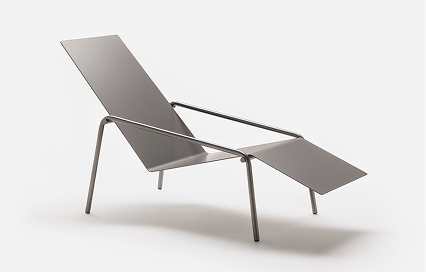
FILLET LOUNGE
Chaise longue with powder-coated stainless steel and aluminum frame, available with removable cushions and finishes suited for both indoor and outdoor use.
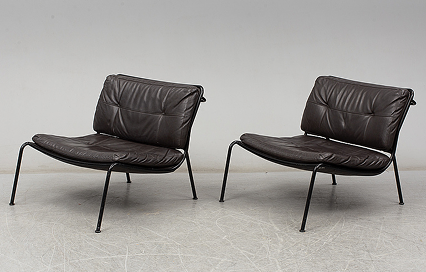
FROG
Lounge chair with removable leather or fabric covers
Dining Tables and the Logic of the Exterior Surface
Claudio Bellini's Axy outdoor dining table extends the formal logic of its interior counterpart into the exterior environment. As a metal table with porting options, it brings the functional intelligence of a commercial surface to the outdoor dining configuration, acknowledging that the boundary between inside and outside has, in the most considered contemporary homes, essentially dissolved. The table's metal structure holds its geometry in the thermal conditions of an outdoor terrace without the seasonal adjustment that timber alternatives require.
The Outdoor Chair and the Quality of a Sustained Seating
Outdoor dining chairs are routinely specified for visual compatibility with a table and rarely given the same ergonomic consideration that their interior equivalents receive. Yet the outdoor dining experience, at its most considered, asks as much of its chairs as the interior dining room: sustained seating over extended periods in a position of relative attentiveness in conditions of direct or indirect light that make visual comfort a compounding consideration.
Jean Marie Massaud's Flow outdoor dining chair addresses this problem with the formal clarity that characterizes the best Italian production. The chair is designed for genuine outdoor use, maintaining the structural and surface qualities required for exterior conditions while providing the kind of seated support that elevates outdoor dining from a casual experience to a composed one.
Biomorphism, Material, and the Sculptural Outdoor Object
Not all metal outdoor furniture in a serious exterior space performs a strictly functional role. Some pieces inhabit the outdoor room as spatial anchors, objects whose formal presence contributes to the composition of the exterior even when unoccupied. This is particularly relevant in contemporary landscape design, where the outdoor room is increasingly understood as an extension of the interior's curatorial logic rather than as a separate aesthetic category.
Margherita Rui's Dolmen is a collection inspired by the expression of biomorphism and habitation archetypes, available in various finishes and materials. The reference to the habitation archetype is a spatially precise observation: the Dolmen reads as a shelter in miniature, a form that offers enclosure without walls. In the context of an outdoor terrace or garden, this formal quality produces a piece that participates in the room's spatial argument rather than simply occupying it.
The Outdoor Room as an Architectural Extension
The selection of metal outdoor furniture is, ultimately, a spatial decision as much as a material one. The pieces chosen for an exterior room determine how that room reads from the interior looking out, how it reads from the garden looking in, and how it functions at the hours it is most used.
Graye's outdoor collection approaches this selection with the same curatorial discipline brought to the interior, treating the outdoor room as a full spatial argument whose resolution matters as much as any room within the house.
FAQs About Metal Outdoor Furniture
-
Marine-grade stainless steel and powder-coated aluminum with a sealed substrate perform best in coastal salt-air environments. Both resist oxidation caused by chloride exposure, though stainless steel requires periodic rinsing to remove salt deposits.
-
Dark-finished metal surfaces in direct sun can reach temperatures that make them uncomfortable to touch. Powder-coated finishes in pale tones and natural aluminum anodize absorb less solar radiation and are preferable in high-sun climates.
-
Metal requires less periodic maintenance than untreated teak but may need occasional recoating if the surface finish shows wear. Teak's maintenance commitment depends on whether a natural gray patina is accepted or a maintained honey tone is preferred.
-
Yes. In climates without freeze-thaw cycling or sustained moisture, powder-coated and stainless steel outdoor furniture performs well year-round with minimal maintenance beyond periodic cleaning.
-
Heavier metal bases provide greater wind stability on exposed terraces. For lightweight metal frames in high-wind positions, purpose-designed weighting systems or ballasted bases are the appropriate specification.
