
Choosing the Right Rug Size for a Queen Bed
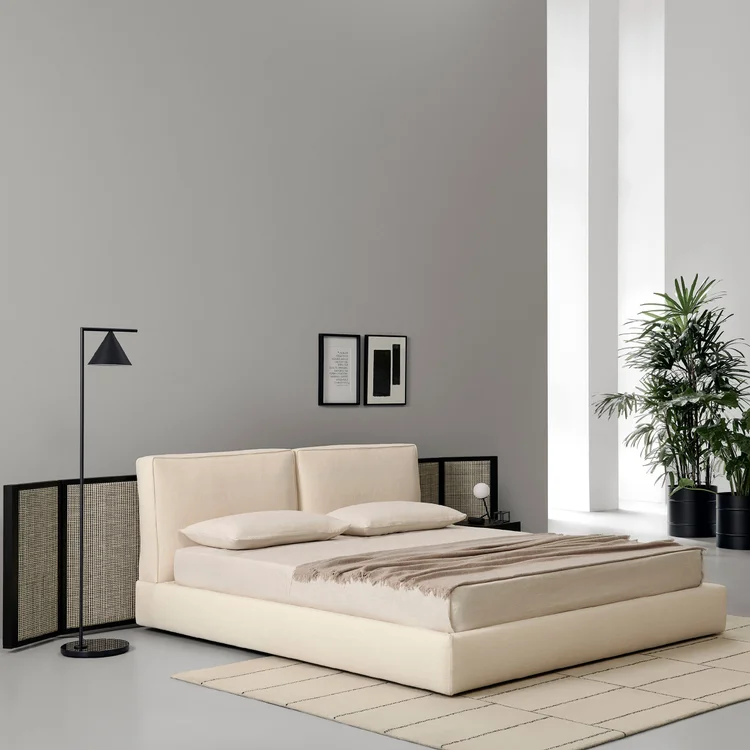
The rug beneath a bed is among the least discussed and most spatially consequential decisions in bedroom design. It is not just a floor covering; it is a territory marker, a material layer that defines the sleeping zone within the room's larger floor plan and introduces warmth, texture, and acoustic softness at the precise scale of daily inhabitation.
Getting the queen-size bed rug size right is a dimensional and compositional exercise with real consequences for how the room looks and how it feels underfoot. The bed rug, chosen with this architectural discipline, transforms the bedroom floor from a neutral background into an active part of the room's composition.
Why Rug Size Under a Queen Bed Is an Architectural Decision
A queen mattress measures 153 centimeters wide and 203 centimeters long. These dimensions create a specific set of spatial relationships in the room that the rug must either address or ignore, and the difference between the two outcomes is immediately legible.
A rug that is too small reads as a postage stamp beneath the bed's mass, offering no real visual anchor to the composition. A rug that is correctly scaled gives the bed a proper ground from which to rise, establishes the room's sleeping territory with spatial authority, and ensures that the first and last surfaces you step onto each day have the material quality the bedroom deserves.
The most widely used approach is to size the rug so that it extends at least 45 to 60 centimeters beyond the bed on each side and at the foot. For a queen bed, this means a rug of at least 240 by 300 centimeters is needed to provide meaningful border exposure on all three accessible sides. A 270 by 360 centimeter rug is preferable where the room's floor area allows, producing a border that reads as genuinely generous rather than only being adequate.
The head of the rug typically runs beneath the bed to approximately the midpoint of the mattress, which allows the visible rug surface to anchor the foot and sides without requiring an unnecessarily large total rug dimension.
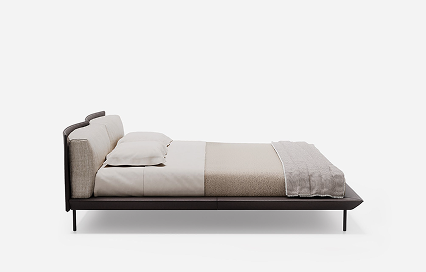
GREENE
Upholstered bed with padded steel-frame headboard, removable goose down cushions, and a two-part bed base with powder-coated steel feet.
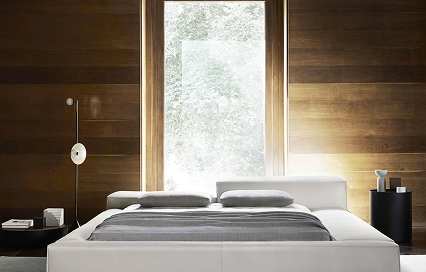
EXTRASOFT
Modular bed comprised of different size elements with fully removable fabric or leather covers and exposed seams.
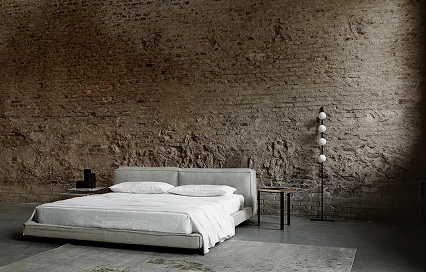
NEOWALL
Bed comprised of soft elements with fully removable fabric or leather covers.
The Alternative Placement for Smaller Rooms
In a bedroom where the floor area is tighter, two smaller rugs positioned symmetrically on either side of the bed serve the queen-size bed rug size problem better than attempting to scale a single rug across the full zone. This bilateral arrangement provides material warmth at the floor contact zones without requiring the coverage of a single large piece.
Both rugs must be identical in material, size, and color for the arrangement to read as resolved. The length of each should correspond roughly to the mattress length, with a width of 60 to 80 centimeters appropriate for this application.
Pile Height, Material, and the Barefoot Experience
The queen-size bed rug size is a dimensional question, but the material of the rug is an experiential one. The floor contact beside a bed is experienced barefoot, in the particular vulnerability of early morning and late evening, which makes the pile's quality of surface and warmth more immediately felt here than in any other room. A rug that is correct in size but fails in material character has addressed only half the problem.
JOV's Grizzly rug, crafted using the cut-and-loop technique from a combination of flamed felted wool and Tencel Lyocell and customizable in color and size, illustrates what material intelligence in a bedroom rug can produce. The cut-and-loop technique creates a surface with two distinct pile levels: the cut tufts rise higher and read as a soft, almost velvet-like texture, while the looped elements introduce a structural variation that prevents the surface from appearing uniformly flat. Flamed felted wool retains the natural lanolin of the fiber, which gives the surface a slight inherent resistance to moisture and soil while maintaining the warmth and spring that make wool the preferred material for bedroom floor contact.
JOV's Thinstripes High, made from New Zealand wool and Tencel Lyocell, introduces directionality to the floor plane. Laid parallel to the bed's length, it draws the eye along the room's primary axis; laid perpendicular, it widens the apparent floor expanse at the foot of the bed.
How Tonal Choice Shapes the Bedroom's Spatial Register
A rug in a color with genuine depth anchors the room in a way that pale alternatives cannot, drawing the floor plane into active participation with the walls and ceiling above it. The relationship between the rug and the bed frame's material is the most critical pairing in this palette conversation: a timber frame in warm natural oak reads in harmony with warm neutral tones, while a metal-framed or dark-lacquered bed benefits from a rug with its own tonal authority.
Graye's rug collection is curated to address the full range of these relationships, ensuring that every queen-size bed rug size decision encompasses both the spatial and the sensory dimensions of what the bedroom floor can offer.
FAQs About Queen Size Bed Rug Size
-
Lengthwise is the standard orientation, aligning the rug's longer dimension with the bed's longer dimension. This reinforces the room's primary axis and ensures maximum coverage at the foot and sides of the bed.
-
A circular queen-size bed rug size generally reads better at the foot of a bed, where the curve can provide a deliberate compositional contrast to the bed's rectilinear geometry, rather than beneath the full bed frame, where a rectangular format anchors the space more effectively.
-
A medium pile height of 12 to 20 millimeters is the most practical for bedroom use. Lower piles are easier to maintain, while higher piles provide a more cushioned barefoot experience. Very high pile rugs can become difficult to keep clean under a bed's limited air circulation.
-
A minimum of 45 centimeters beyond the foot of the bed is the standard, providing a visible rug surface as you stand at the foot. 60 to 90 centimeters is preferred where the room allows, creating a more generous visual conclusion to the composition.
-
Yes. Dense, low-pile rugs in tightly woven wool or Tencel Lyocell blends trap less dust within their pile than high-pile or loosely constructed alternatives. Regular vacuuming on a low-suction setting is sufficient for maintenance; periodic professional cleaning is recommended annually.
