
What Are the Benefits of Custom Furniture? A Guide to Thoughtful Living
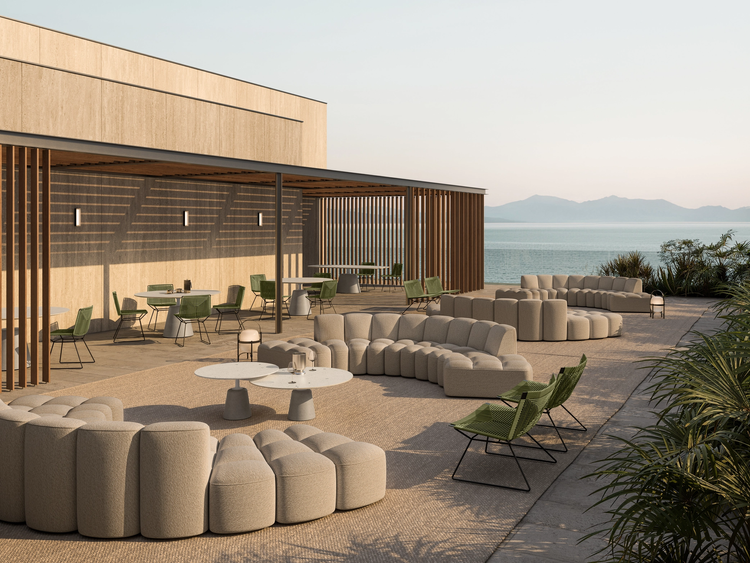
The question: “What are the benefits of custom furniture?” often arises when one realizes that a home is more than a collection of items; it is a resolved architectural environment. Standardized pieces are designed for a generic consumer, but a custom specification respects the specific light, volume, and rhythm of your life.
By choosing a path of bespoke design, you ensure that every object holds a clear purpose and a permanent place. This approach to furnishing creates a sense of stillness and intention that mass-produced alternatives simply cannot replicate.
Dimensional Precision in Contemporary Design
Every room possesses a unique geometry, ceiling heights, window placements, and floor widths that standard production often ignores. One of the primary answers to “what are the benefits of custom furniture” is the ability to achieve total spatial harmony.
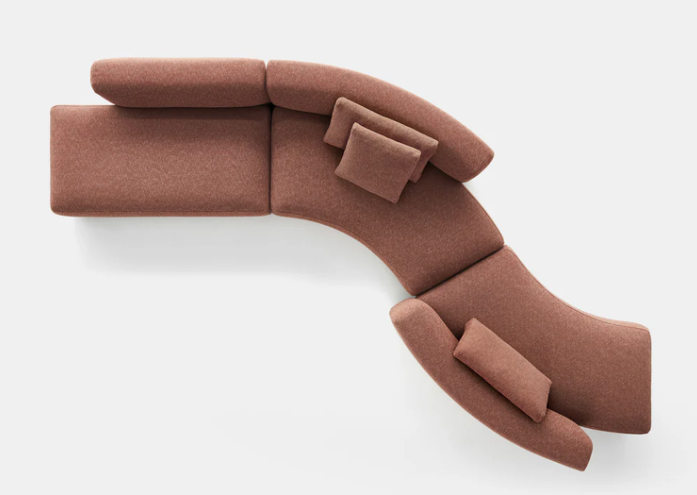
When a sofa is sized specifically for a wall, it anchors the room with an authority that a generic size lacks. Systems like the Cosy Curve by Francesco Rota exemplify this flexibility. With varied depths, lengths, and curved modules, it allows for a seating arrangement that resolves the specific architectural tensions of your living area, turning the floor plan into a site of intentional movement rather than compromise.
Material Intelligence and the Context of the Home
Beyond measurements, the true weight of a designed object is found in its materiality. If you are considering what the benefits of custom furniture are, look to the level of detail that bespoke selection provides. It allows for a dialogue between surfaces, matching the timber grain of a table to the existing joinery or coordinating metal finishes with the room's hardware.
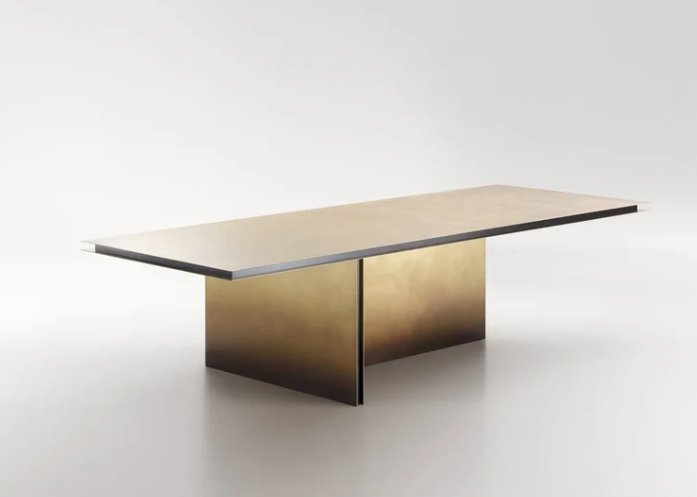
The Folio dining table from Draw Studio is a study in this kind of material intelligence. Featuring brushed brass panels and a stainless steel profile, it requires a room that has been considered with equal care. Custom specification gives you the agency to introduce objects of genuine material authority that age with grace alongside the home itself.
The Long-Term Value of Integral Selection
Standard furniture is often replaced when a room is refreshed or when materials begin to degrade. In contrast, the enduring what are the benefits of custom furniture include a piece’s ability to remain relevant as your lifestyle evolves. Because these objects are built to the specific dimensions of an architectural volume, their relationship to the house is integral rather than superficial.
A stone-topped table or a leather-upholstered seat, specified for its particular aging qualities, develops a rich patina over decades. This creates a legacy of use where the piece becomes more resolved with time, reflecting a commitment to heirloom quality and the quiet luxury of a space that was made specifically for you.
A Consultative Approach to Bespoke Living
Understanding what the benefits of custom furniture are also requires an appreciation for the process itself. It is a collaborative effort between the resident, the designer, and the maker. This isn't a transactional purchase but a curatorial selection that demands patience and a high level of spatial awareness.
Working with a gallery that offers professional design services ensures that every decision, from the density of a foam core to the weave of a textile, is informed by deep expertise. This thoroughness is what separates a merely furnished house from a home defined by thoughtful living, where every element backs a cohesive narrative of craft and character.
FAQs
-
Custom-dimensioned pieces address the specific geometry of a room, ensuring that clearances, proportions, and the relationships between objects are resolved for that space. This produces a room that functions without compromise and reads as considered from every position within it. When furniture is scaled to the architecture, the entire volume of the room feels balanced and intentional.
-
Not exactly. Customized furniture typically refers to adapting a standard product through a set of available options, such as choosing a different fabric or leg finish. Bespoke furniture is conceived and engineered from the ground up for a specific client and architectural context. While both offer a higher level of choice, bespoke work results in a piece that is truly singular.
-
High-grade materials specified for custom pieces, such as full-grain leather, solid timber with oil finishes, and worked metals, develop a patina that deepens the piece's character. Standard production materials are often chosen for immediate consistency at the point of purchase, but they rarely age as gracefully as the honest, premium materials used in artisanal furniture making.
-
Ideally, this process should begin during the design development phase. Resolving furniture dimensions early allows architectural decisions, such as lighting placement and electrical outlets, to be coordinated with the furniture layout. This foresight eliminates the spatial compromises and logistical challenges that often occur when furniture is selected as an afterthought.
-
The documentation of a bespoke project, including material samples, dimensional drawings, and finish records, has lasting value as a historical record of your design choices. While a piece made for a specific alcove may need a new placement in a different home, the inherent quality and timeless design of custom pieces usually allow them to adapt beautifully to new architectural contexts.
