
The Ultimate Sofa Buying Guide for High-End Interiors
A sofa establishes the scale, character, and rhythm of a living space, making the decision about what to bring home far more nuanced than choosing a color or silhouette. This sofa buying guide looks beyond appearance to consider construction, proportions, upholstery, comfort, and configuration, helping you select a piece that feels naturally integrated into a high-end interior.
Start With the Architecture and Proportions
Before comparing fabrics or finishes, consider the room itself. Measure the available width, depth, ceiling height, doorways, and circulation paths. A sofa should have enough presence to anchor the room without restricting movement or overwhelming nearby furnishings.
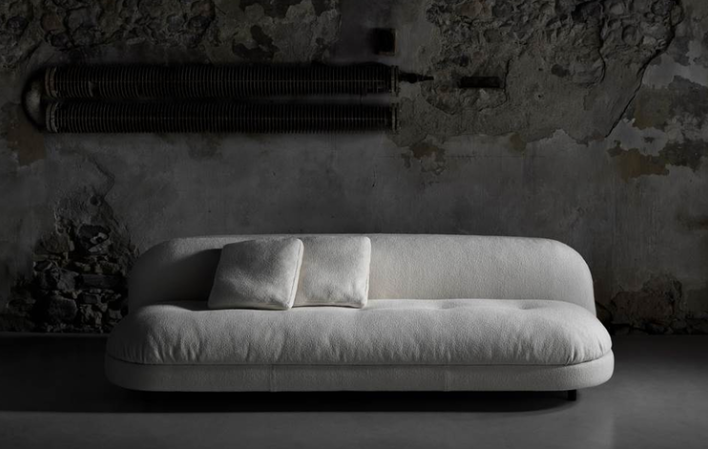
The Gala sofa, designed by David Lopez Quincoces, combines an upholstered body with adjustable feet in matt black painted steel. Its considered proportions make it a useful reference when evaluating how a sofa's base, seat, and overall silhouette relate to the architecture around it.
Think about sightlines, too. A sofa placed in the center of a room should have a considered back profile, while one positioned against a wall can be evaluated more closely for its relationship with architectural lines.
Understand What the Frame Contributes
The frame forms the structural foundation of a sofa, supporting the seat and back while influencing how the piece holds its shape over time. When using a sofa buying guide to assess a high-end design, look beyond the upholstery and consider how the frame interacts with the legs, arms, cushions, and overall proportions.
A refined frame does not need to announce its construction. It can remain visually quiet while giving the upholstery a precise outline and allowing the sofa to retain its intended character.
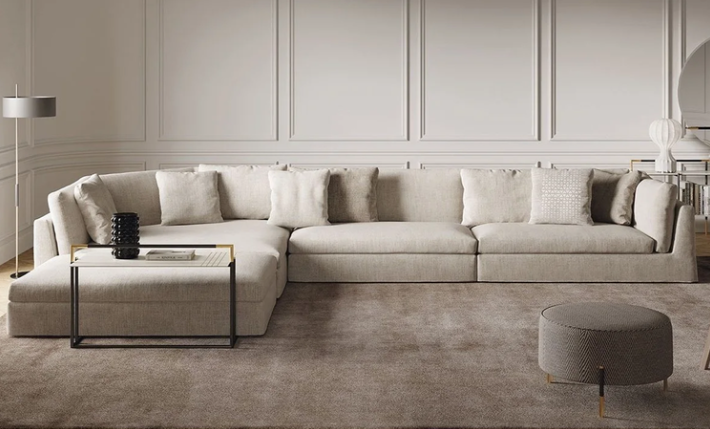
The Arnè sofa, designed by Gianfranco Frigerio, pairs fabric or leather upholstery with a solid walnut base. That relationship between soft upholstery and visible wood demonstrates how structural elements can become part of the aesthetic language.
Compare Cushion Construction and Comfort
A sofa can appear exceptionally comfortable yet feel unsuitable once you sit down. Seat depth, back angle, cushion density, and seat height all influence how the body is supported.
Deeper seating can suit relaxed lounging, while a more upright configuration may work better in a formal living room designed around conversation. Test how easily you can sit upright, shift position, and stand without feeling restricted.
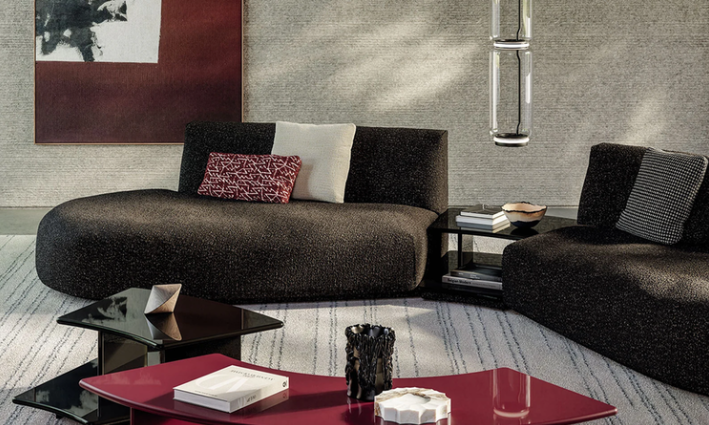
Graye's Dao Soft, designed by Gordon Guillaumier, uses seat elements padded with different densities and combines them with high backrests. Its modular structure demonstrates how comfort can be approached through both material and configuration.
For a sofa buying guide that prioritizes everyday use, comfort should be considered alongside the way you actually spend time in the room. Reading, entertaining, watching films, and informal gatherings can call for different seating characteristics.
Build the Room Around the Right Sofa
Choose Upholstery for the Room You Want
Fabric and leather change how a sofa responds to light, touch, and surrounding materials. Woven textiles can introduce softness and visual texture, while leather can create a smoother surface with a distinct material presence.
Your choice should account for the room's existing palette as well as practical use. A sofa buying guide should consider how a pale textile can create an airy composition, while a deeper tone can give a substantial sofa greater visual grounding. Consider how the upholstery interacts with rugs, curtains, wood, stone, and metal nearby.
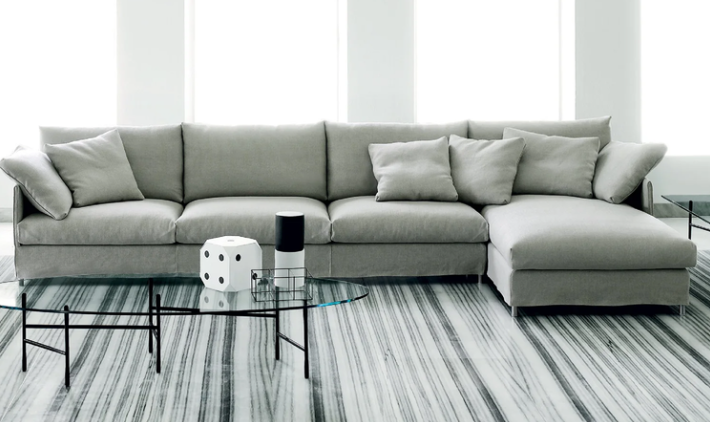
The Chemise sofa, designed by Piero Lissoni, is available with fabric or leather covers and pillows that are fully removable. This provides flexibility when considering both material character and the long-term relationship between upholstery and the interior.
For a closer look at how upholstery influences the atmosphere of a room, the discussion of leather and fabric seating offers another useful perspective.
Consider Modular Systems for Greater Flexibility
A fixed sofa can be the right choice when the room has a clear, established layout. Modular systems provide another possibility, allowing individual elements to create configurations that respond more precisely to the space.
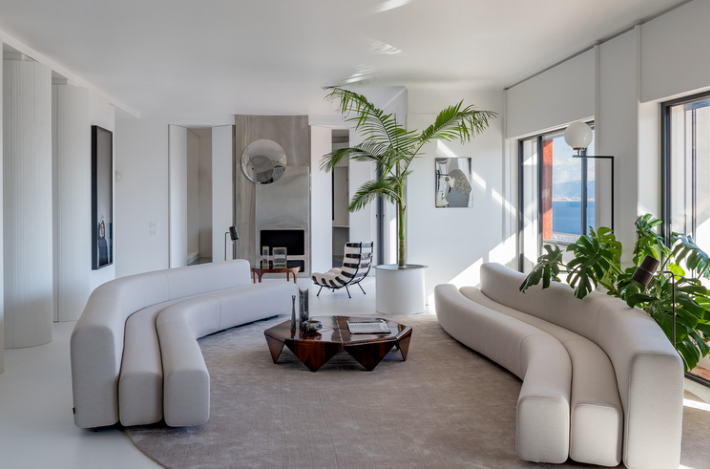
The Osaka sofa, designed by Pierre Paulin, takes a different approach with its curved form and removable fabric or leather covers. Its geometry can soften a room dominated by strong architectural lines while creating a more fluid seating arrangement.
Look Beyond the Sofa to the Complete Composition
A sofa rarely works alone. Lounge chairs, ottomans, side tables, lighting, and rugs all contribute to the final composition. Once the main sofa is selected, consider whether surrounding pieces should echo its geometry, introduce contrast, or provide a quieter counterpoint.
Leave sufficient space around each piece for movement and visual breathing room. In a large interior, a second seating element can balance the sofa without creating a symmetrical arrangement. In a smaller room, a single sculptural chair or compact table may be enough.
Conclusion
The right sofa buying guide should lead you beyond surface appearance and toward the qualities that determine how a piece lives within your interior. Proportion, frame construction, cushion support, upholstery, configuration, and surrounding furniture all shape the final result.
A well-chosen sofa becomes more than a place to sit. It establishes the room's scale and gives the rest of the interior a clear point of reference.
Talk to Graye About Your Selection
FAQs
-
The coffee table should remain proportionate to the sofa without making the seating area feel crowded. Its size and position should allow comfortable reach while preserving a clear path around the arrangement.
-
Yes. A curved silhouette can soften the geometry of a rectangular room and create a more conversational arrangement. It works particularly well when the seating area has enough open space to appreciate the shape.
-
The coffee table should remain proportionate to the sofa without making the seating area feel crowded. Its size and position should allow comfortable reach while preserving a clear path around the arrangement.
-
Yes. A curved silhouette can soften the geometry of a rectangular room and create a more conversational arrangement. It works particularly well when the seating area has enough open space to appreciate the shape.